Knowledge Center

Roll Forming Technical Blog & Industry News

Explore expert articles, machinery updates, technical guides, and industry insights from ReformMak.

Blog

How to Choose a Coffee Stick Pack Machine?

How to Choose a Coffee Stick Pack Machine?

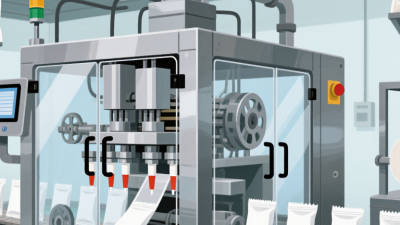
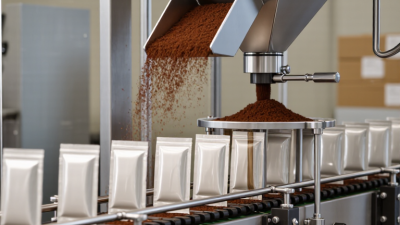
Choosing a Coffee Stick Pack Machine starts with the product, not the machine’s headline speed. Coffee powder can vary in density, flow, aroma, and sensitivity to moisture. A line that runs neatly with one blend may struggle with another. Small sachets make those differences visible: uneven fills, dusty seals, or packs that wrinkle at the edges. The National Coffee Association’s 2024 National Coffee Data Trends report found that 67% of U.S. adults drank coffee in the past day. That is a U.S. consumer measure, not a global forecast, but it shows why dependable single-serve formats deserve careful evaluation. Look beyond advertised output. Ask suppliers to test your actual coffee, packaging film, and target fill weight. Check dosing consistency, sealing performance, changeover time, cleaning access, and the availability of service and spare parts. Request recorded results, not just a demonstration with an easy-to-run sample. Also consider how the machine connects with upstream feeding and downstream cartoning. These details can shape labor needs and downtime. Speed matters. So does repeatability. A fast machine that needs frequent adjustment may not be the economical choice. And the perfect specification on paper can still disappoint on a busy shift. This guide compares practical selection criteria and explains which questions to ask before investing. One caution: published capacity figures often depend on product and pack conditions. Treat them as a starting point, then verify performance in a production-style trial.
Read more »
Isla By:Isla - September 25, 2026
Why Choose a Sugar Stick Packaging Machine?

Why Choose a Sugar Stick Packaging Machine?

Choosing a Sugar Stick Packaging Machine is not only a decision about speed. It is a decision about consistency, hygiene, material control, and daily production discipline. Each narrow sachet must receive an accurate sugar dose, form a clean seal, and move smoothly through the line. A small sealing defect can create product waste, customer complaints, and unnecessary downtime. Packaging engineer Mark C. Hargrove explains, “A reliable sugar packaging line protects product consistency before it tries to maximize production speed.” This practical view matters. A well-designed Sugar Stick Packaging Machine can handle controlled filling, precise film tracking, date coding, cutting, and collection within one coordinated process. Operators gain clearer control over production data. Maintenance teams can also identify problems earlier, especially around sensors, sealing jaws, and feeding systems. There is a catch. The fastest machine is not always the best machine. Buyers must compare sugar characteristics, stick dimensions, film structure, electrical standards, cleaning access, and available technical support. A machine that performs well in a factory trial may struggle with humidity, powder flow, or changing packaging materials. That detail is easy to underestimate. Real experience should guide the purchase. Request sample testing, inspect finished seals, and measure waste during extended operation. Ask how quickly worn parts can be replaced. A dependable Sugar Stick Packaging Machine should fit the product, the workforce, and the long-term production plan, not merely impress during a short demonstration.
Read more »
Ethan By:Ethan - September 20, 2026
7 Best Multi Lane Stickpack Machines for Global Buyers

7 Best Multi Lane Stickpack Machines for Global Buyers

Choosing among the 7 Best Multi-Lane Stickpack Machines for Global Buyers requires more than comparing lane counts. A fast machine can still disappoint if its seals drift, film wanders, or changeovers consume an entire shift. Packaging engineer Daniel Brooks explains, “A stickpack line proves its value through repeatable accuracy, not impressive speed alone.” That principle matters when buyers inspect dosing consistency, seal strength, reject systems, and cleanable product paths. Picture a production room at 6 a.m. Operators are checking sachet weight, trimming film edges, and reviewing yesterday’s downtime report. Small faults become expensive quickly. The right Multi-Lane Stickpack Machine should match the product, film structure, pack size, and expected production rhythm. Powder, granule, and liquid applications can demand very different feeding systems. Servo control may improve adjustment, but it does not replace thoughtful maintenance planning. Neither does a polished brochure. Look beyond headline output. Examine actual test results, format-change time, spare-parts access, training quality, and remote technical support. Ask whether the supplier can demonstrate your material under realistic conditions. Request evidence, not promises. There is no perfect machine. A global buyer must also consider factory layout, operator skill, utility stability, and regional service coverage. These details rarely attract attention during a sales presentation. They often determine whether the line performs reliably after installation. This guide compares seven leading options through a practical lens. Some machines may excel in speed, while others offer stronger flexibility or simpler operation. The final choice should reflect your process, not a fashionable specification. Mistakes happen. Good evaluation makes them less costly.
Read more »
Evelyn By:Evelyn - September 9, 2026
How to Choose the Best Powder Auger Filler Machine

How to Choose the Best Powder Auger Filler Machine

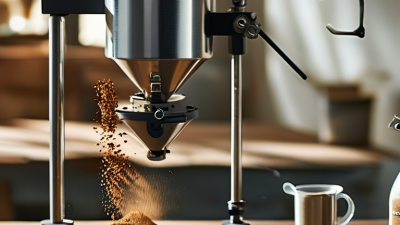
Choosing the right Powder Auger Filler Machine is a production decision, not merely a purchase decision. The machine must match powder behavior, container design, target weight, and line speed. A fine flour may bridge inside the hopper, while instant coffee can flood around the auger. Small differences matter. PMMI’s 2024 State of the Industry report highlights continuing pressure to improve packaging productivity, manage labor shortages, and increase automation. These pressures make accurate, repeatable filling increasingly valuable. However, speed alone is a weak selection criterion. A machine rated for 60 containers per minute may achieve less with dusty powder, narrow bottles, or frequent recipe changes. Buyers should examine real test results, not only catalogue figures. The Powder Auger Filler Machine should offer suitable auger geometry, controlled agitation, tool-free cleaning, and accessible food-contact parts. Check weighing accuracy across several batch sizes. Ask the supplier to test your actual powder, container, and packaging speed. Review calibration records, stainless-steel grades, dust-control features, and compliance documentation. EHEDG hygienic design guidance and applicable FDA or EU food-contact requirements can support a safer evaluation. A practical warning remains necessary. No report can predict every factory condition. Humidity, powder temperature, operator technique, and settling time can change performance. An impressive demonstration may still hide difficult cleaning work. Choose transparent testing, documented service support, and measurable guarantees. The best machine is not always the fastest. It is the one that delivers consistent weights, manageable cleaning, and dependable operation after months of real production.
Read more »
Isla By:Isla - September 9, 2026
How to Choose a Liquid Sachet Packaging Machine?

How to Choose a Liquid Sachet Packaging Machine?

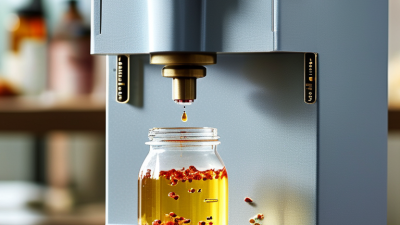
Choosing a Liquid Sachet Packaging Machine is not simply a matter of comparing speed and price. The correct choice must match the liquid’s viscosity, filling volume, temperature, and packaging material. Water-like products behave differently from sauces, gels, oils, or liquids containing small particles. Even a minor mismatch can cause dripping, weak seals, or inconsistent sachet weights. David Luttenberger, a recognized packaging industry analyst and Global Packaging Director at Mintel, has stated, “Packaging must deliver protection, performance, and convenience.” That principle applies directly to liquid sachet production. A reliable machine should provide accurate dosing, stable heat sealing, hygienic product contact parts, and simple control settings. Operators should also inspect changeover time, cleaning access, film compatibility, and available technical support. Small details matter. The best decision usually begins with product trials, not a sales brochure. Ask the supplier to test your actual liquid, film, and target sachet size. Watch the filling nozzle closely. Check seal strength after handling. Measure waste during startup and changeovers. A machine may look efficient during a short demonstration, yet perform poorly during an eight-hour shift. That can happen. Budget remains important, but the lowest purchase price may hide higher maintenance costs, rejected sachets, or difficult calibration. Consider total ownership cost, spare parts, operator training, and future capacity. This guide explains how to evaluate each factor and avoid common selection mistakes. Still, no checklist can replace practical testing. Your product may expose weaknesses that specifications never show.
Read more »
Ethan By:Ethan - September 9, 2026