Explore expert articles, machinery updates, technical guides, and industry insights from ReformMak.
Choosing the 2026 best Pharmaceutical Sachet Machine for sale requires more than comparing prices and glossy brochures. Pharmaceutical manufacturers need equipment that supports accurate dosing, secure sealing, clean operation, and dependable batch records. A machine may look impressive on a showroom floor, yet perform differently beside a dusty powder feeder or a temperature-sensitive liquid product.
James A. Agalloco, a recognized pharmaceutical manufacturing expert, states, “A validated process must remain controlled throughout its operating life.” This principle matters when evaluating a Pharmaceutical Sachet Machine. Buyers should examine filling accuracy, sealing temperature stability, material compatibility, changeover time, cleaning access, and electronic data controls. A sachet line should also handle production realities, including film wrinkles, powder bridging, minor leaks, and operator mistakes.
Small details matter.
For example, a stable seal leaves a clean, even band rather than scorched edges. A well-designed auger or pump reduces product variation between sachets. Clear access doors make inspection easier and may shorten maintenance work. Reliable suppliers should provide factory testing, installation support, training, spare parts, and documented validation assistance.
However, no machine is perfect. Some models offer excellent speed but require longer setup periods. Others provide flexible dosing but demand more frequent calibration. The lowest purchase price can hide expensive downtime, difficult cleaning, or limited technical support. This guide compares leading 2026 options through a practical lens, focusing on performance, compliance readiness, lifecycle value, and the everyday conditions pharmaceutical teams actually face.
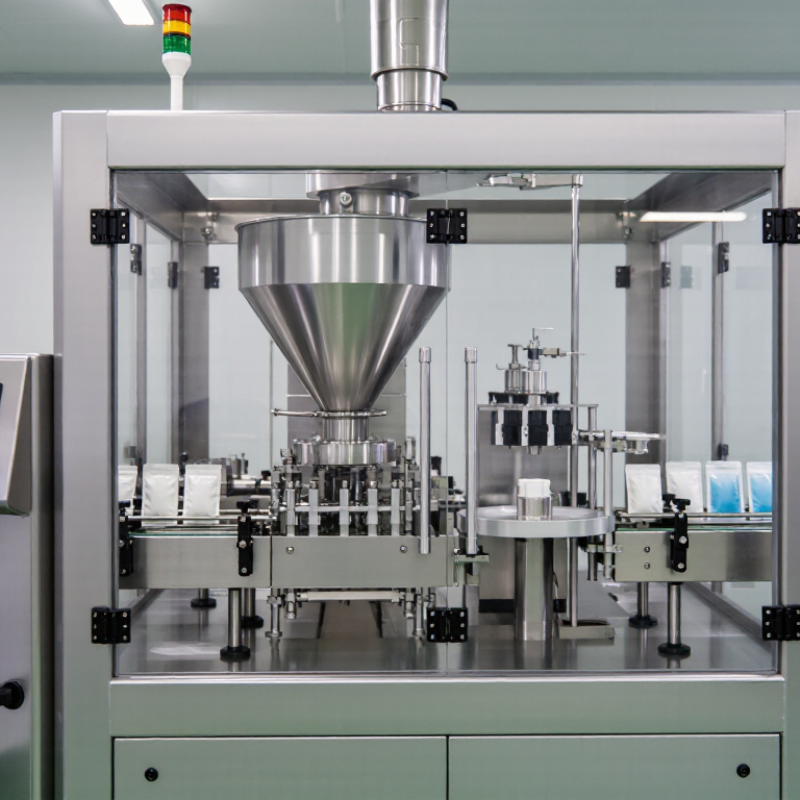
2026 Best Pharmaceutical Sachet Machine for Sale?
What Is a Pharmaceutical Sachet Machine? GMP Functions and 2026 Benchmarks
A pharmaceutical sachet machine forms, fills, seals, and cuts single-dose packets. It may handle powders, granules, or liquid medicines. Its core value is controlled handling, not impressive speed. A sound design uses stainless-steel contact parts, enclosed product paths, dust control, and easy access for cleaning. GMP functions include accurate dosing, seal-temperature control, batch coding, reject confirmation, and documented line clearance. Operators should verify cleaning procedures, calibration records, and electronic data integrity. Small gaps matter.
A practical 2026 benchmark should measure fill-weight consistency, seal integrity, changeover time, material waste, and reject rates. Speed claims need careful testing. The machine should meet validated product specifications during extended production, not only during a short demonstration. Useful features include recipe permissions, audit trails, vision inspection, alarm history, and automatic stop functions. However, benchmark values depend on powder flow, moisture, film structure, and sachet size. One fixed number can mislead buyers.
Production experience often reveals hidden problems. Hygroscopic powder may bridge inside the hopper after several hours. Fine dust may collect near sealing jaws. A line can look excellent in a showroom yet struggle with real materials. Experienced teams should test the intended formulation, packaging film, cleaning method, and operator workflow before purchase. The fastest machine is not always the best fit. That assumption deserves more doubt.
It forms, fills, seals, and cuts single-dose sachets. It may process powders, granules, or liquid medicines. Controlled handling matters more than impressive speed.
Important functions include accurate dosing and seal-temperature control. Batch coding, reject confirmation, and documented line clearance also matter. Electronic records should support data integrity. Small gaps matter.
Measure fill-weight consistency, seal integrity, changeover time, waste, and reject rates. Test performance during extended production. A short demonstration can hide problems. Speed can mislead.
Powders behave differently because of flow, moisture, and particle size. Hygroscopic powder may bridge inside the hopper after several hours. Fine dust may collect near the sealing jaws. Test the real material.
Request design, installation, operational, and performance qualification documents. Review calibration records, cleaning procedures, and material traceability. Check audit trails, alarm history, and recipe permissions. Missing records deserve attention.
Inspect the sealing station, filling auger, sensors, and product-contact surfaces. Operators should reach these areas without removing most of the machine. Confirm cleaning steps, calibration intervals, spare parts, and support response times. Short maintenance videos can reveal practical problems.
Include installation, validation labor, utilities, film waste, rejected sachets, training, and downtime. Use realistic output after inspections and changeovers. Model ownership costs across three to five years. Paper payback can disappoint.
No. A fast machine may require difficult cleaning or frequent adjustments. A slower system may reduce waste and improve reliable production. Flexible change parts can create more value than headline speed. That assumption needs doubt.
Choosing the right Pharmaceutical Sachet Machine in 2026 requires more than comparing speed and price. Modern machines are designed for GMP-oriented production of powders, granules, liquids, and other pharmaceutical formulations, with hygienic construction, controlled dosing, sealing consistency, and traceable operating data. Depending on the product and package format, suitable models may deliver approximately 30–120 sachets per minute while maintaining typical filling accuracy within ±1%–2% through calibrated dosing systems, stable material flow, and regular in-process checks.
Machine selection should also consider compatibility with ISO 11607 packaging principles, electronic records and controls aligned with 21 CFR Part 11 expectations where applicable, and the documentation needed for qualification and validation. Buyers should evaluate installation and operational qualification support, cleaning procedures, changeover time, preventive maintenance, spare-part availability, operator training, and total cost of ownership. A reliable 2026 investment balances validated performance, flexible production, dependable service, and measurable return on investment rather than focusing on output speed alone.