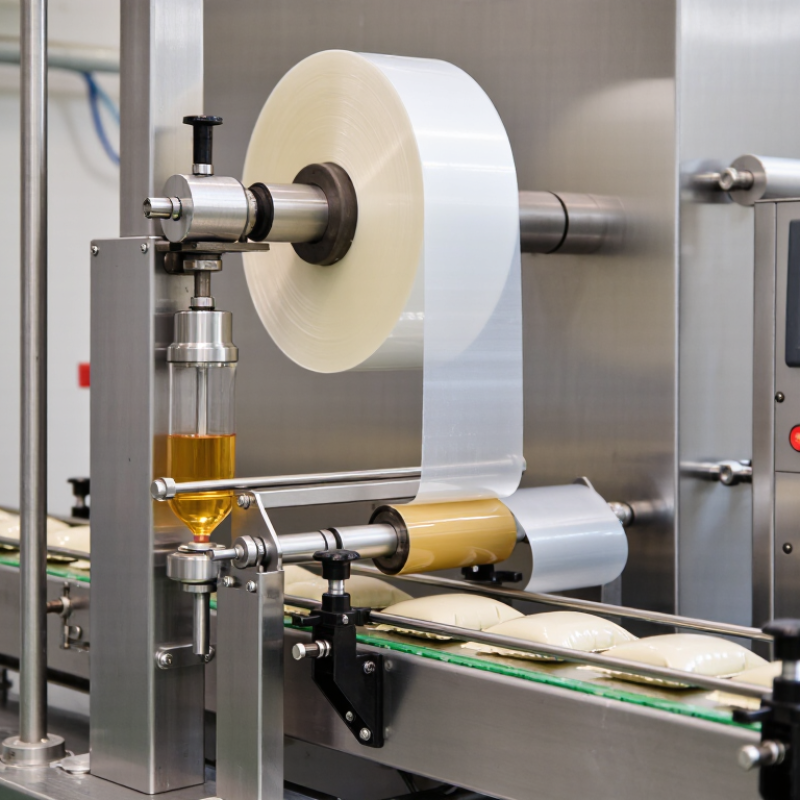
A Shampoo Sachet Packing Machine is designed to fill and seal shampoo into small, single-use sachets. It combines film forming, liquid dosing, heat sealing, cutting, and date coding in one production line. The machine usually unwinds laminated packaging film from a roll. A forming collar shapes the film into a narrow tube. A piston pump or servo-driven pump then measures each shampoo dose.
Accuracy matters. Shampoo viscosity can change with temperature, fragrance, and additives. A reliable machine should support adjustable filling parameters and stable sealing pressure. Operators also need clear access to the pump, hopper, and sealing jaws. These areas require regular cleaning, especially when products change during a shift. Poor maintenance may cause dripping, weak seals, or uneven sachet weights.
Modern systems often include a PLC interface, sensor controls, and automatic film tracking. These features can reduce waste, but they do not remove the need for trained operators. Film quality also affects performance. A glossy roll may look suitable, yet its seal layer can behave differently under heat. Testing remains essential.
No machine is flawless. Real production includes small adjustments. Before purchase, manufacturers should review output speed, sachet size, shampoo formulation, packaging material, and local safety requirements. Factory trials can reveal problems that brochures rarely mention. With suitable configuration and consistent inspection, this equipment can support clean, efficient, and repeatable shampoo sachet production.
Definition and Role: How Shampoo Sachet Machines Form, Fill, and Seal
What Is a Shampoo Sachet Packing Machine?
A shampoo sachet packing machine forms, fills, and seals small flexible pouches automatically. A film roll passes through forming collars, creating a narrow tube. A dosing pump then delivers a measured shampoo volume. Heated sealing jaws close the vertical and horizontal seams. A cutter separates each finished sachet.
The machine must control viscosity, temperature, film tension, and filling accuracy. Shampoo often contains bubbles, which can disturb dosing and sealing. Experienced operators adjust pump timing and product temperature before production begins. A typical machine can produce dozens of sachets per minute, depending on pouch size and design. Grand View Research reported that the global flexible packaging market was valued at over USD 250 billion in 2022. This growth supports demand for compact, material-efficient packaging formats. The exact rate varies widely.
A reliable system also checks seal pressure, registration marks, and sachet weight. Optical sensors detect printed marks and correct film positioning. Reject devices remove leaking or underfilled packs before shipment. PMMI packaging industry research identifies automation, quality control, and flexible formats as continuing priorities for manufacturers. However, higher speed does not automatically mean better production. That assumption needs checking. Excessive speed may increase wrinkles, product contamination on seal areas, or inaccurate fills. Operators should test real shampoo formulas, not only water. Laboratory trials, seal-strength tests, and regular calibration provide stronger evidence than machine specifications alone.
Core Architecture: VFFS Systems, Pumps, Film Paths, and Heat-Seal Units
What Is a Shampoo Sachet Packing Machine?
Core Architecture: VFFS Systems, Pumps, Film Paths, and Heat-Seal Units
A shampoo sachet packing machine is a compact VFFS system for forming, filling, and sealing small packets. VFFS means vertical form-fill-seal. From a flat film roll, it creates a tube, doses shampoo, and seals each sachet. Operators usually judge performance by seal strength, fill accuracy, and stable output. Those results depend on several linked parts, not one impressive component.
The film path guides printed or plain laminate over rollers, around a forming collar, and into a forming tube. Small alignment errors matter. If film tension changes, sachets may wrinkle, drift, or develop uneven seals. The forming collar controls packet width, while registration sensors can track printed marks. However, sensors cannot correct poor film quality or careless setup. The path should stay clean, centered, and free from sharp contact points.
A metering pump transfers shampoo into each formed sachet. Piston, gear, or peristaltic designs suit different viscosities, but product temperature still affects flow. Very thick shampoo may need slower dosing. Heat-seal units then close the longitudinal and cross seals. Pressure, temperature, and dwell time must work together. Too much heat can thin the laminate; too little heat can cause leaks. In real production, the ideal settings often need adjustment. That is where many specifications look simpler than the machine floor.
Operating Sequence: Film Feeding to Sealed Sachets in 6 Machine Stages
What Is a Shampoo Sachet Packing Machine?
Operating Sequence: Film Feeding to Sealed Sachets in 6 Machine Stages
A shampoo sachet packing machine converts a continuous film roll into measured, sealed pouches. Grand View Research valued the global shampoo market at approximately USD 34.6 billion in 2023. This scale increases pressure for accurate, hygienic, and flexible packaging equipment. The operating sequence begins with film feeding. Servo-driven rollers unwind the film, while tension controls reduce wrinkles and registration errors.
Six stages shape the process. The film passes through alignment and forming, creating a tube around the product path. A dosing pump then fills each sachet with shampoo. Accurate filling matters because viscosity changes with temperature and formulation. Vertical and horizontal sealing jaws close the package under controlled heat and pressure. A cutting unit separates individual sachets, and the discharge section moves them toward inspection and collection. Simple in appearance.
Packaging engineers commonly verify seal strength, fill weight, leak resistance, and print alignment during production. Smithers forecasts continued growth in flexible packaging demand through 2028, supported by lightweight formats and material efficiency. However, automation does not remove every risk. Film curl, unstable viscosity, and worn sealing surfaces can still create weak packs. Operators must record these conditions, not merely reset alarms. That practical discipline often decides whether a machine delivers consistent sachets or expensive rework.
Performance Benchmarks: 30–120 Sachets/Minute and ±1–2% Fill Accuracy
What Is a Shampoo Sachet Packing Machine?
A shampoo sachet packing machine forms, fills, seals, and cuts small flexible pouches. Typical output ranges from 30 to 120 sachets per minute. The actual speed depends on sachet size, sealing time, film thickness, and machine lanes. A single-lane unit may run near 30 sachets per minute. Multi-lane systems can approach 120.
Fill accuracy is usually targeted at ±1–2% under stable conditions. This matters when each pouch contains only 5–15 milliliters. A 0.1-milliliter error becomes significant in high-volume production. PMMI packaging machinery reports highlight automation, repeatability, and reduced material waste as major purchasing priorities. Smithers’ flexible packaging outlook also indicates continued demand for lightweight, portion-sized formats. These reports support the market direction, but they do not guarantee every machine’s performance.
Tips: Test the machine with your actual shampoo before buying. Measure viscosity at different temperatures. Check every lane separately. In practice, accuracy can drift after film changes, nozzle cleaning, or pump wear. That is easy to overlook. Keep a sample log containing fill weight, temperature, speed, and seal strength. A realistic factory benchmark may be 90 sachets per minute at ±1.5%, rather than the advertised maximum. Slower can be better.
Shampoo Sachet Packing Machine Performance Benchmarks
Typical benchmark performance ranges from 30 to 120 sachets per minute, with fill accuracy generally within ±1–2% of the target fill weight.
The benchmark illustrates how machine output capacity and representative fill accuracy can vary across operating speeds. Actual results depend on sachet size, product viscosity, sealing conditions, and machine setup.
Selection and Compliance: Film Compatibility, CIP Design, and ISO 22716
What Is a Shampoo Sachet Packing Machine?
A shampoo sachet packing machine forms, fills, and seals small flexible pouches. Its selection depends on more than speed. Film compatibility, hygienic design, and ISO 22716 practices should guide the decision.
Start with the film. Polyethylene, laminated structures, and recyclable mono-material films may require different sealing temperatures and pressures. Ask for real film trials using the intended shampoo formula. Viscosity, fragrance, oils, and conditioning agents can affect seal cleanliness. A weak seal may appear only after storage. That is easy to miss. The machine should provide stable temperature control, accurate dosing, and adjustable forming settings. Film tracking also matters, especially with thin materials. Plant trials often expose problems that technical sheets do not mention.
CIP design needs careful review. Product-contact parts should drain fully, avoid dead legs, and support repeatable cleaning. Smooth welds, accessible valves, and documented cleaning parameters reduce residue risks. However, not every sachet line needs the same CIP system. A thick formula may need longer circulation or manual inspection. ISO 22716 expects controlled procedures, trained operators, hygiene practices, batch records, and traceability. The machine should fit these systems, not operate separately.
Tips: Check seal strength, leak performance, cleaning records, and dose accuracy during factory acceptance testing. Keep one tested film lot for comparison. Recheck assumptions after formula changes. Small deviations can become expensive failures.
FAQS
It converts a continuous film roll into measured, sealed shampoo pouches. The process includes forming, filling, sealing, cutting, and discharge.
The film unwinds, aligns, and forms a tube. A dosing pump fills it. Sealing jaws close the pack, then cutting and discharge complete the cycle.
Servo-driven rollers control film movement and tension. Stable tension reduces wrinkles, tracking errors, and incorrect print positioning. Thin films need closer monitoring.
Temperature and formula changes can alter viscosity. These changes affect dose accuracy and pump performance. A warm batch may fill differently.
They should check seal strength, fill weight, leaks, and print alignment. Film curl and worn sealing surfaces also need attention. Do not only reset alarms.
Polyethylene, laminated films, and recyclable mono-material films may be suitable. Each material can require different heat, pressure, and forming settings. Trial them with the real formula.
Product-contact parts should drain completely and avoid dead legs. Smooth welds, accessible valves, and clear cleaning records support repeatable hygiene. Small residue can matter.
Test dose accuracy, leak resistance, seal strength, and cleaning procedures. Keep one approved film lot for comparison. Assumptions can fail after formula changes.
Conclusion
A Shampoo Sachet Packing Machine is an automated system designed to form, fill, and seal single-use shampoo sachets with consistent quality. It typically uses a vertical form-fill-seal structure, a controlled liquid pump, guided film paths, and heat-sealing units. During operation, packaging film is unwound and shaped into a tube, the shampoo is dosed into each pouch, the film is sealed vertically and horizontally, and the finished sachets are cut and discharged. These coordinated stages help maintain clean production and reliable package formation.
Typical performance ranges from 30 to 120 sachets per minute, with filling accuracy commonly within ±1–2%, depending on the product and machine configuration. When selecting equipment, manufacturers should evaluate film compatibility, pump suitability, sealing performance, and clean-in-place design. Hygienic construction and procedures aligned with ISO 22716 can further support controlled cosmetic manufacturing, traceability, and consistent sachet quality.