Explore expert articles, machinery updates, technical guides, and industry insights from ReformMak.
Choosing the right Wet Wipe Packaging Machine can shape product quality, labor costs, and customer trust. For global buyers, the decision involves more than speed or an attractive quotation. A machine must handle different wipe materials, lotion formulas, pouch sizes, and production targets with stable performance.
This guide reviews seven leading machine types and models for international purchasing teams. Each option is examined through practical criteria, including filling accuracy, sealing strength, film compatibility, automation level, cleaning access, and technical support. Buyers should also check real sample results, changeover time, spare-part availability, and operator training. A machine producing 120 packs per minute may appear impressive. However, frequent stoppages can make that number meaningless.
Factory experience matters.
No ranking can suit every production line. A compact machine may serve a private-label startup better than a high-speed system. A larger manufacturer may need servo control, automatic film alignment, online inspection, and remote diagnostics. Energy use and maintenance access also deserve attention, especially where local technicians are limited. Documentation should clearly address electrical safety, food-contact or cosmetic-contact materials, and applicable market requirements.
Some evaluations remain uncertain without an in-person factory trial. That limitation matters. Buyers should request test runs using their own nonwoven fabric, liquid formula, and packaging film. This approach reveals leakage, wrinkles, poor sealing, or inconsistent counting before purchase. The following seven choices offer a practical starting point, not an absolute answer. Careful verification remains essential.
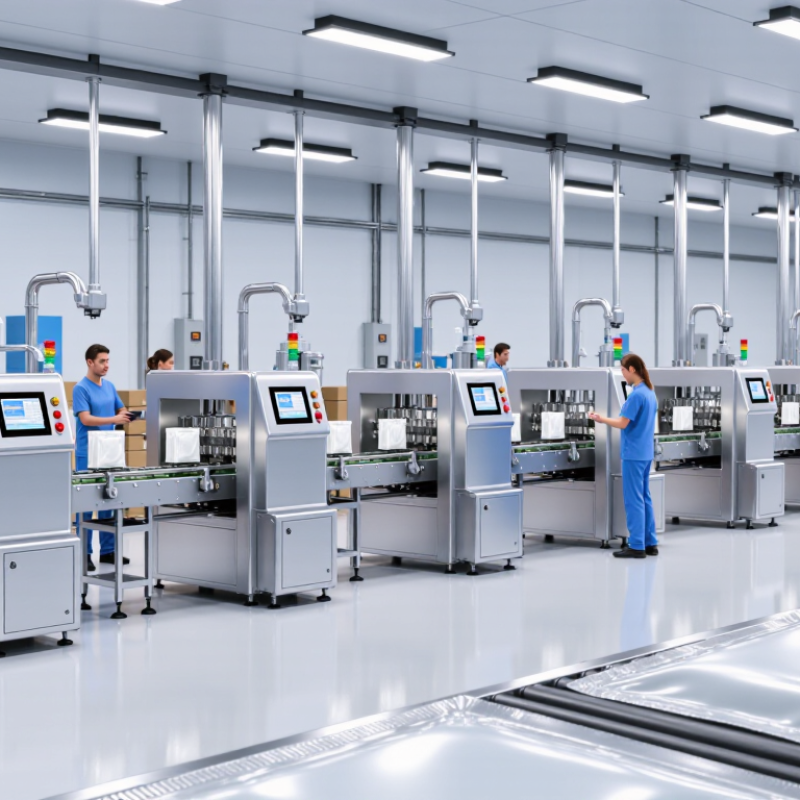
Choosing among the 7 best wet wipe packaging machines requires more than comparing speed. Machine design must match the wipe format, liquid formula, film material, and target market. Common options include single-sachet, multipack, flow-pack, and canister systems. Each format needs different sealing pressure, folding control, and filling accuracy. A clean dosing system helps prevent dry wipes, leakage, and uneven moisture.
Global buyers should check the real production rate, not only the advertised maximum. Ask for test runs using your own nonwoven fabric, solution, and packaging film. Review seal strength, cutting accuracy, film waste, and changeover time. The machine should support local voltage, clear operator languages, emergency protection, and accessible spare parts. Documentation should include installation guidance, maintenance schedules, electrical drawings, and operator training. These details often decide whether a machine performs reliably after delivery.
Hygiene control matters. Product-contact areas should be easy to clean and resistant to corrosion. Buyers should also verify applicable packaging, labeling, workplace safety, and electrical requirements in their destination country. A remote factory acceptance test can expose problems early. Still, testing is not perfect. Humidity, transport damage, and inexperienced operators may affect later performance. Plan for those risks. A sensible supplier should explain limits honestly, provide measurable specifications, and offer responsive technical support after installation.
Wet wipe packaging machines vary by product format, material, and output target. Seven leading types serve different production needs. Flow-pack machines wrap folded wipes in flexible film, making them suitable for retail packs. Sachet machines produce compact, single-use packets for travel, hospitality, and sampling. Canister filling machines place rolled wipes into rigid containers with controlled tension. These systems often need precise lid sealing and label positioning.
Premade pouch machines handle larger refill packs and resealable packages. Quad-seal machines create stable, upright bags with strong corners. Continuous-motion machines support high-speed lines, while intermittent-motion machines offer better control for small or changing batches. Servo-driven dosing, ultrasonic sealing, and automatic film tracking can improve consistency. Still, complicated automation may increase maintenance demands. No machine is perfect.
Tips: Match the machine to wipe size, fold pattern, liquid formula, film thickness, and daily volume. Ask for sample testing with your actual nonwoven material. Check seal strength, liquid leakage, changeover time, and cleaning access. Operators should inspect sensors and sealing jaws during every shift. A lower purchase price can become expensive if spare parts are difficult to source. Verify electrical standards, safety guarding, documentation, and training support before purchase.
7 Best Wet Wipe Packaging Machines for Global Buyers?
A strong comparison starts with output, not the brochure’s maximum speed. Grand View Research estimates the global wet wipes market exceeded US$20 billion in 2023, with about 5% annual growth expected through 2030. That growth makes stable production more valuable than impressive trial results. Compare packs per minute using the same wipe size, lotion level, and film. A machine rated at 120 packs per minute may deliver less after film changes and cleaning. Real output matters.
Automation affects labor, waste, and recovery time. Check whether the system includes automatic film tracking, splice detection, recipe storage, and fault alerts. PMMI’s recent packaging reports identify automation as a major investment area, especially where labor availability remains uncertain. Still, more sensors do not guarantee better performance. Operators need clear screens and practical access points. Test both.
Sealing deserves close attention. Heated jaw, ultrasonic, and continuous sealing systems behave differently with laminated films, recyclable structures, and high-moisture wipes. Request seal-strength results after aging, not only fresh samples. ASTM F88 testing can support a fair comparison. Material compatibility also includes film stiffness, perforation accuracy, and adhesive behavior. In plant trials, small temperature changes can create wrinkled edges or weak corners. That detail is easy to underestimate. A slower machine with consistent seals may reduce rejected packs, though buyers should verify this with production data.
| Machine Category | Best For | Typical Output | Automation Level | Folding Formats | Sealing Method | Compatible Packaging Materials | Typical Film Thickness | Changeover Time | Utilities | Key Buying Advantage | Overall Fit |
|---|---|---|---|---|---|---|---|---|---|---|---|
| High-Speed Single-Sachet Line | Large-volume single wet wipes for hospitality, healthcare, and personal care | 120–240 sachets/min | Fully automatic; servo-driven dosing, film feeding, cutting, sealing, and counting | Single-fold, double-fold, or multi-fold wipes depending on the folding unit | Heat-sealed three-side or four-side sachet | PET/PE, PET/CPP, paper/PE laminate, aluminum foil laminate | 60–120 microns | 30–60 min | Compressed air; electrical load commonly 12–25 kW | Highest throughput and consistent sachet dimensions | ★★★★★ |
| Mid-Speed Sachet Packaging Machine | Medium-sized manufacturers and exporters with several product variations | 60–140 sachets/min | Automatic with recipe storage, photoelectric registration, and batch counting | Single-fold and double-fold; optional multi-fold configuration | Heat sealing with adjustable temperature and pressure | PET/PE, OPP/PE, paper/PE, biodegradable coated films | 55–110 microns | 20–45 min | Compressed air; electrical load commonly 8–18 kW | Balanced investment, speed, and flexibility | ★★★★★ |
| Compact Entry-Level Wipe Packer | Start-ups, private-label production, and small export batches | 25–70 sachets/min | Automatic film forming and sealing; manual or semi-automatic wipe loading may be required | Single-fold or basic double-fold | Heat-sealed three-side sachet | PE-based laminate, OPP/PE, PET/PE, selected compostable laminates | 50–100 microns | 15–30 min | Compressed air; electrical load commonly 4–9 kW | Lower capital cost and simpler operation | ★★★★☆ |
| Canister and Tub Filling Line | Household, baby-care, and industrial wipes sold in reusable containers | 20–80 containers/min | Automatic canister feeding, wipe counting, liquid dosing, lid placement, and capping | Interfolded, center-pull, or stacked wipes | Foil induction seal, pressure-sensitive lid seal, or snap-fit closure | HDPE, PP, PET containers; PE or laminated lid films | Not applicable to rigid containers | 30–90 min | Compressed air; electrical load commonly 8–20 kW | Suitable for high-count packs and resealable products | ★★★★☆ |
| Refill Pack Wet Wipe Machine | Flexible refill pouches for household and personal-care wipe systems | 40–110 pouches/min | Automatic pouch forming, liquid impregnation, wipe insertion, and sealing | Interfolded or stacked wipes | Heat-sealed pouch with optional adhesive or snap-on dispensing lid | PE/PE, PET/PE, PET/CPP, mono-material PE structures where supported | 70–150 microns | 25–60 min | Compressed air; electrical load commonly 7–16 kW | Good material efficiency and convenient high-count packaging | ★★★★☆ |
| Biodegradable-Film Compatible Line | Sustainability-focused products using paper-based or compostable laminate structures | 30–100 sachets/min | Automatic; requires precise web tension, temperature control, and sealing adjustment | Single-fold, double-fold, or interfolded wipes | Low-temperature heat sealing adapted to coated paper or compostable films | Paper/PE, paper/PLA, cellulose-based laminate, selected compostable films | 60–140 microns | 30–75 min | Compressed air; electrical load commonly 6–15 kW | Supports reduced-plastic packaging goals when validated with the film supplier | ★★★★☆ |
| Multi-Lane Industrial Wipe Line | Large contract packers and global buyers requiring maximum line productivity | 240–600 sachets/min | Fully automatic multi-lane operation with PLC control, servo synchronization, and automatic reject detection | Single-fold, double-fold, and multi-fold configurations | Continuous heat sealing across multiple lanes | PET/PE, PET/CPP, OPP/PE, foil laminate, selected paper-based structures | 60–130 microns | 45–90 min | Compressed air; electrical load commonly 20–45 kW | Maximum output and lower labor cost per sachet | ★★★★★ |
| Comparison note: Output figures are typical operating ranges and vary with wipe size, liquid viscosity, film structure, seal width, pack format, and operator experience. Before purchase, request a production trial using the exact nonwoven substrate, lotion formula, packaging film, and target sachet dimensions. | |||||||||||
7 Best Wet Wipe Packaging Machines for Global Buyers?
For global buyers, compliance should guide every machine comparison. A reliable supplier provides electrical safety documents, risk assessments, guarding details, and clear operating manuals. Requirements may differ by destination, especially for voltage, labeling, materials, and factory inspections. Wet wipe packaging also demands careful control of seal temperature, film tension, and liquid dosing. A small temperature error can create leaking packs. Always request factory acceptance testing with your actual film and wipe material.
Customization should solve a real production problem, not decorate a quotation. Buyers may need different pack counts, lid or resealable formats, multilingual interfaces, or servo controls for multiple pouch sizes. The best design leaves room for maintenance access. That detail is often missed. Operators should reach cutters, pumps, and sensors without unsafe shortcuts. A short video review with production staff can expose weak points before manufacturing begins.
Installation support affects performance long after delivery. Confirm whether the supplier offers remote commissioning, on-site training, troubleshooting procedures, and spare-parts recommendations. Ask for electrical drawings, parameter backups, and a practical cleaning schedule. Local technicians may need training before the machine arrives. After-sales reliability is measurable: response times, spare-part availability, software support, and escalation contacts should be written into the agreement. No machine is perfect. A thoughtful supplier admits limits and records corrective actions instead of promising flawless operation.
Choosing among the seven best wet wipe packaging machines requires more than comparing speed. Match the machine with your wipe size, fold style, liquid formula, and package format. A single-sachet machine suits travel packs, while multi-pack equipment supports retail volumes. Check sealing temperature control, film compatibility, cutting accuracy, and dosing stability. Small errors can create leaks, dry wipes, or inconsistent packs.
Production trials reveal practical weaknesses. Ask for samples using your actual nonwoven material and lotion viscosity. Measure seal strength, fill accuracy, waste rate, noise, and changeover time. Hygiene design also matters. Stainless steel contact parts, accessible cleaning zones, and controlled liquid paths support reliable operation. Electrical standards, documentation, operator training, and spare-part availability should match the destination market. A high-speed machine may look impressive, but it can be unsuitable for frequent product changes. That mistake is costly.
Flow-pack machines wrap folded wipes in flexible film for retail packs. Sachet machines create compact, single-use packets. Canister machines place rolled wipes into rigid containers. Premade pouch machines handle refill packs and resealable bags. Quad-seal machines form stable bags with strong corners. Continuous-motion machines favor high-speed production. Intermittent-motion machines offer better control for changing batches.
Match the equipment with wipe size, fold pattern, liquid formula, film thickness, and daily volume. Package format matters too. A sachet machine fits travel packs, while multi-pack equipment suits retail production. Ask for trials with your actual nonwoven material and lotion viscosity. Guessing can become expensive.
Not always. Compare packs per minute using the same wipe size, liquid level, and film. Real output usually falls after cleaning, film changes, and adjustments. Record waste, stoppages, and changeover time during a production trial. Real output matters.
Automatic film tracking can reduce alignment problems. Splice detection may limit waste during film changes. Recipe storage helps repeat product settings. Fault alerts can shorten recovery time. However, extra sensors increase maintenance demands. More automation is not always better. Test the control screen and access points.
Heated jaws, ultrasonic sealing, and continuous sealing suit different films and moisture levels. Request seal-strength results after aging, not only fresh samples. Check for wrinkles, weak corners, and liquid leakage. Small temperature changes can damage seal quality. A slower machine may produce fewer rejected packs.
Use your actual wipe material, film, liquid formula, and package size. Measure seal strength, dosing accuracy, cutting accuracy, waste, and leakage. Check whether film stiffness affects tracking or folding. Test adhesive behavior and perforation accuracy too. One successful sample proves little.
Stainless steel contact parts support easier cleaning. Accessible cleaning zones reduce hidden residue. Controlled liquid paths help maintain dosing stability. Operators should inspect sensors and sealing jaws every shift. Cleaning access is easy to underestimate.
Review spare-part availability, electrical standards, safety guarding, documentation, and operator training. Confirm installation and troubleshooting support. Include tooling and validation assistance in the quotation. A low purchase price may create higher ownership costs later. I would leave room for doubt.
Choosing the right Wet Wipe Packaging Machine requires more than comparing listed prices or production speeds. Buyers should first understand their product format, package size, wipe material, liquid formula, required output, and target markets. The main machine types range from compact intermittent systems for small batches to fully automated high-speed lines for large-scale production. Important comparison points include filling accuracy, cutting performance, sealing quality, material compatibility, changeover time, and the level of automation needed for stable operation.
Global buyers should also evaluate electrical standards, hygiene design, safety features, documentation, customization options, installation support, operator training, spare-parts availability, and long-term technical service. A practical selection process begins with clearly defining production goals, then matching machine capacity and functions to the intended application and budget. By balancing performance, reliability, compliance requirements, flexibility, and after-sales support, companies can choose a packaging solution that supports consistent product quality and efficient growth across different markets.