Explore expert articles, machinery updates, technical guides, and industry insights from ReformMak.
Choosing a Coffee Stick Pack Machine starts with the product, not the machine’s headline speed. Coffee powder can vary in density, flow, aroma, and sensitivity to moisture. A line that runs neatly with one blend may struggle with another. Small sachets make those differences visible: uneven fills, dusty seals, or packs that wrinkle at the edges. The National Coffee Association’s 2024 National Coffee Data Trends report found that 67% of U.S. adults drank coffee in the past day. That is a U.S. consumer measure, not a global forecast, but it shows why dependable single-serve formats deserve careful evaluation.
Look beyond advertised output. Ask suppliers to test your actual coffee, packaging film, and target fill weight. Check dosing consistency, sealing performance, changeover time, cleaning access, and the availability of service and spare parts. Request recorded results, not just a demonstration with an easy-to-run sample. Also consider how the machine connects with upstream feeding and downstream cartoning. These details can shape labor needs and downtime. Speed matters. So does repeatability. A fast machine that needs frequent adjustment may not be the economical choice. And the perfect specification on paper can still disappoint on a busy shift. This guide compares practical selection criteria and explains which questions to ask before investing. One caution: published capacity figures often depend on product and pack conditions. Treat them as a starting point, then verify performance in a production-style trial.
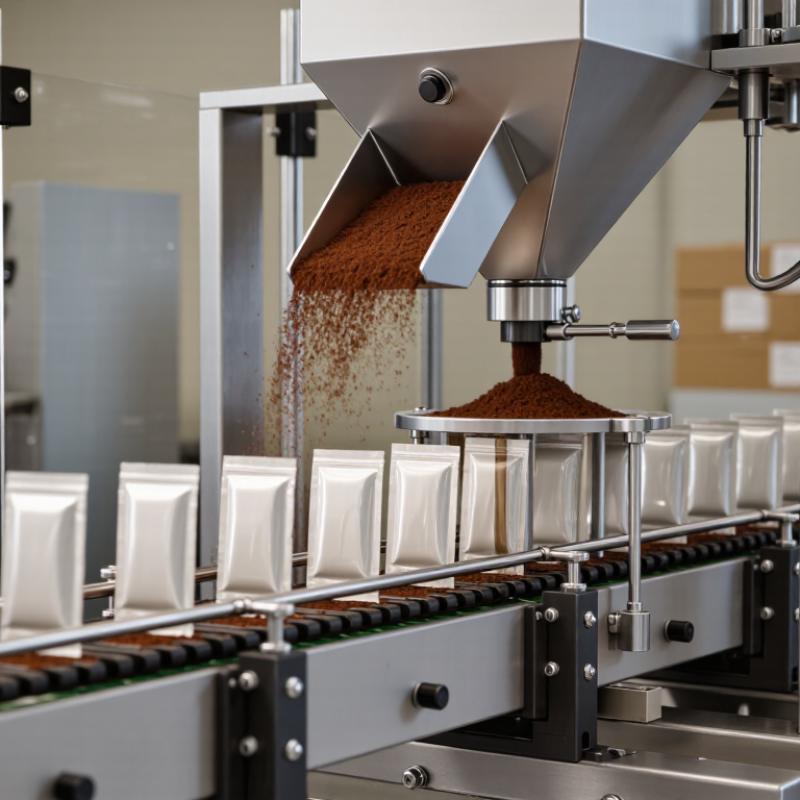
Choosing a coffee stick pack machine starts with a clear production brief. Estimate your daily output, planned shifts, and likely demand growth. A target of 80 packs per minute means little if the machine cannot run steadily with your coffee blend. Note the stick length, fill weight, number of lanes, and acceptable weight variation. Small details matter.
Describe the product and packaging before comparing machine specifications. Ground coffee and instant coffee can behave differently in a dosing system, so request trials with your actual product. Check whether the film seals consistently and whether the machine handles your preferred laminate thickness. Also measure available floor space and note cleaning access, operator training, date coding, and changeover time. There is no perfect spreadsheet; production estimates may change, so leave room for realistic adjustments.
Tips: Bring sample coffee and packaging film to a factory test. Record fill accuracy, seal appearance, waste, and restart time. Ask how routine maintenance is performed and which parts need regular replacement. A fast machine is not automatically the best fit. Verify performance under conditions close to your expected daily operation.
Choose the stick pack format before comparing machine speed. A narrow, single-serve pack suits measured portions of instant coffee, while wider formats may fit larger doses or blends with creamer. Confirm the target fill weight, powder flow, pack length, and seal area with actual product samples. Fine coffee powder can cling to forming surfaces, so a machine that runs well with granules may not handle your recipe equally well.
Required output means saleable packs per minute, not the highest figure on a specification sheet. Include time for film changes, cleaning, and routine stoppages. The International Coffee Organization estimated global coffee consumption at 177.0 million 60-kilogram bags in coffee year 2023/24. That market figure signals broad demand, but it cannot predict one factory’s order pattern or line capacity. Start with forecast orders per shift, then allow realistic room for downtime. My own planning bias is to favor steady output over an impressive peak rate; it is less exciting, but often more useful.
Tips: Run your coffee blend on the proposed film and pack size. Check fill-weight consistency, seal quality, and finished packs per minute across a sustained trial. Keep a little slack. Output estimates can be optimistic.
Select the stick pack format and required output before comparing machines.
The chart shows estimated machine output for daily targets of 12,000, 24,000, and 48,000 sticks. Estimates assume 8 net production hours per day and a 20% capacity buffer: daily target ÷ 480 minutes × 1.2. Stick width, product characteristics, and the number of lanes can affect achievable speed, so confirm the required format and rated output with machine suppliers.
Compare Filling, Sealing, and Packaging Material Capabilities
Start with the coffee itself. Fine instant powder behaves differently from ground coffee, which can vary in particle size and bulk density. An auger filler may suit powders, while other dosing systems may work better for free-flowing granules. Ask for repeatability data using your own product, not just a standard test powder. Small dose changes matter in a narrow stick pack. Dust control matters, too.
Then examine the seals. Consistent heat, pressure, and dwell time help create tight end and longitudinal seals. Ask the supplier to run your intended film at production speed, and inspect sample packs for wrinkles, weak edges, or coffee caught in the seal. A neat-looking pack is not always an airtight one. It’s worth checking.
Packaging material affects both freshness and machine performance. Coffee is sensitive to oxygen and moisture, so compare barrier properties across suitable laminates, including foil or metallized structures. Check whether the film’s sealant layer matches the machine’s sealing range. A material that protects aroma well may still feed poorly or seal unevenly. That trade-off is easy to underestimate. Request samples and test them on the actual machine. One trial may reveal issues, though it won’t predict every production condition.
Choosing a coffee stick pack machine starts with the daily production target, not the largest speed figure on a brochure. A semi-automatic setup may suit short runs and frequent recipe changes. Higher automation can reduce repetitive handling, but it also needs trained operators and reliable changeover routines. Ask how quickly the machine switches stick sizes, and observe a real changeover if possible. A quoted output rate may not reflect pauses for refilling, cleaning, or adjustments.
Machine footprint includes more than the frame. Allow space for film rolls, ingredient feeding, product collection, and safe access for cleaning. Measure doorways and the route from delivery point to installation area. Check ceiling height, too. A compact machine can feel cramped when an operator needs to reach a sealing station or remove a guard. Measure twice. Small details matter.
Tips: Confirm voltage, phase, air pressure, and air consumption with the supplier before ordering. Compare these figures with your site’s actual utilities, not estimates. Ask whether extraction or cooling is required. Leave room for service access and spare film storage. A simple floor plan with machine dimensions and operator positions can reveal conflicts early. I once overlooked space for a film trolley; the layout worked on paper, but daily refills became awkward. That is worth reconsidering before purchase.
A coffee stick pack machine should be assessed at the point of operation, not only in a sales specification. Check that guards cover moving parts, emergency stops are easy to reach, and access panels cannot be opened casually during a cycle. Ask how the machine handles film breaks, jams, and cleaning. Watch a test run with the intended coffee powder and packaging film; fine particles can collect around seals and affect consistency. Small details matter. Request operating and maintenance instructions, and have the intended operators review them before purchase.
Service support becomes important when production stops. Ask who diagnoses faults, how quickly a technician can respond, and whether common wear parts are stocked locally. A supplier’s written service terms are more useful than a general promise of support. Confirm training covers setup, seal checks, and routine cleaning. It is easy to overlook shift handovers, but unclear procedures can lead to repeated mistakes. That may be a weak point in your evaluation, so include operators in the discussion.
Compare total cost of ownership over several years, not just the machine price. Include installation, training, film waste, energy use, scheduled maintenance, spare parts, and downtime. Request a demonstration using your target stick length and production rate, then record changeover time and rejected packs. Estimates can be imperfect; assumptions about run hours and product changes should be stated clearly. A lower purchase price may cost more if changeovers are slow or support is difficult to access.
Estimate daily output, shifts, stick length, fill weight, and acceptable weight variation. Leave room for changing demand.
Ground and instant coffee may behave differently during dosing. Test actual samples and record fill accuracy, seal appearance, waste, and restart time. Small details matter.
No. A quoted speed may exclude refilling, cleaning, and adjustments. I may be giving speed too much weight here.
Measure the machine, doorways, ceiling height, and operator access. Include space for film rolls, product collection, cleaning, and service. Measure twice.
Check voltage, phase, air pressure, and air consumption against your site’s actual supply. Ask whether extraction or cooling is required.
Check moving-part guards, accessible emergency stops, and access panels. Watch how the machine handles jams, film breaks, and cleaning.
Confirm technician response times, local spare-part availability, and written service terms. Training should cover setup, seal checks, cleaning, and shift handovers.
Include installation, training, energy, maintenance, spare parts, film waste, and downtime. A lower price may hide slow changeovers.
Use your target stick length and production rate. Record changeover time and rejected packs. I once forgot space for a film trolley; daily refills became awkward.
Choosing a Coffee Stick Pack Machine starts with a clear understanding of your production requirements, including the products you plan to pack, expected daily output, and room for future growth. Decide which stick pack format and pack sizes you need, then check that the machine can consistently meet your target production speed without compromising fill accuracy or package quality.
Compare the machine’s filling and sealing capabilities with your coffee product and preferred packaging materials. Also consider how much automation is appropriate, whether the equipment will fit your available floor space, and what utilities it requires. Before making a decision, review operator safety features, training and service support, maintenance needs, and the total cost of ownership. A well-matched machine should meet current production goals while remaining practical to operate, maintain, and adapt as requirements change.