Knowledge Center

Roll Forming Technical Blog & Industry News

Explore expert articles, machinery updates, technical guides, and industry insights from ReformMak.

0%

A Rotary Pouch Packing Machine can turn a flat pouch into a filled, sealed product in a steady sequence. But speed alone does not make a good investment. Buyers must also examine changeover time, seal consistency, pouch compatibility, cleaning access, and after-sales support. Small details matter: a stubborn zipper feed or uneven seal can slow an entire line.

Industry reports provide useful context. PMMI’s 2024 State of the Industry report reviews packaging machinery market conditions and investment pressures. Smithers’ The Future of Flexible Packaging to 2029 analyzes developments in flexible packaging, the format these machines serve. Packaging technologist Walter Soroka defines packaging as “the science, art and technology of enclosing or protecting products for distribution, storage, sale, and use.” That broader view is useful here: the machine is only one part of the packaging system.

This guide compares ten manufacturers through practical criteria, including machine configuration, supported pouch styles, production flexibility, and service capabilities. Product specifications and performance claims should still be confirmed directly with each supplier; published figures may use different test conditions. That is not a minor caveat. A line running lightweight pouches may behave differently from one handling thicker laminates or frequent product changes. The best choice depends on the actual product, operating environment, and team that will run it.
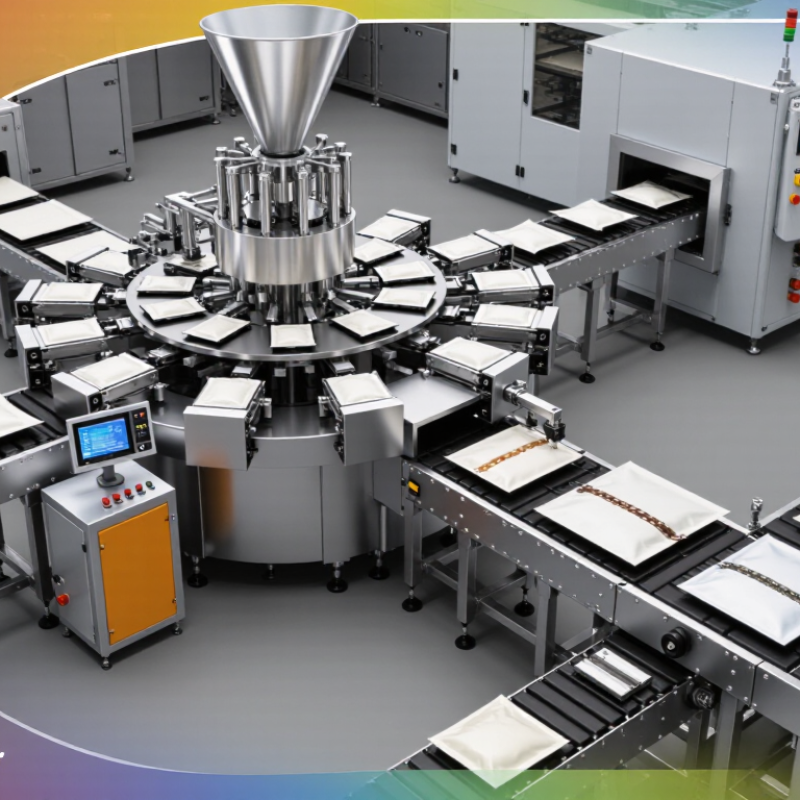
Top 10 Rotary Pouch Packing Machine Manufacturers?

What Is a Rotary Pouch Packing Machine?

A rotary pouch packing machine fills and seals pre-made pouches using a rotating platform. Instead of making bags from a continuous film roll, it carries individual pouches through a series of workstations. At one station, grippers hold a pouch; another opens it, often with suction or an air blast. The product is then dispensed by a scale, pump, or other dosing system. Finally, heated jaws seal the pouch before it is discharged. That sequence matters.

The machine’s configuration depends on the pouch style, product, and required output. A dry powder may need dust control, while a liquid can make sealing areas messy. Even a small crumb caught across the seal can weaken the closure. Operators should check fill accuracy, seal appearance, and pouch handling during routine runs. Setup matters. In practice, neat specification sheets can make selection seem simpler than it is. Real products behave differently at production speed, and sample testing may reveal wrinkles, slow filling, or inconsistent seals. Ask about changeover time, cleaning access, and compatibility with the intended pouch material. A machine that runs quickly but takes too long to adjust may not suit a facility’s daily workflow.

How to Evaluate Rotary Pouch Packing Machine Manufacturers

Choosing a rotary pouch packing machine manufacturer requires more than comparing quoted speeds. Ask for a test using your actual pouch, product, and target fill weight. Watch the seal. Check whether the machine handles zipper pouches, spouts, or different film thicknesses without lengthy changeovers. A clean factory demo is useful, but production conditions are less forgiving.

MarketsandMarkets’ 2023 report estimated the global flexible packaging market at USD 282.6 billion, with growth expected through 2028. That expanding demand makes service capacity and spare-parts access worth checking, not just purchase price. Ask manufacturers for documented changeover times, fill-weight results, and seal inspection records from comparable applications. During a site visit, inspect how operators reach the forming area and clear a jam. Small details matter. Confirm training, remote support hours, and the delivery time for common wear parts. Then speak with a reference customer who runs similar pouch sizes and products. A specification sheet cannot show every weak point. I would also ask what the machine cannot do well; some answers may be incomplete, and that itself deserves a closer look.

Profiles of 10 Leading Rotary Pouch Packing Machine Manufacturers

Profiles of ten leading rotary pouch packing machine manufacturers reveal how differently suppliers solve the same production challenge. PMMI’s 2023 State of the Industry report put U.S. packaging machinery shipments at about $10.9 billion in 2022, showing the scale of investment behind modern packaging lines. That figure covers many machine types, not rotary pouch systems alone. Still, it helps explain why buyers compare output, changeover time, and service support carefully. A practical profile should note pouch formats, filling accuracy, sealing controls, and whether operators can reach cleaning points without awkward tool changes.

Some manufacturers focus on compact machines for short runs; others build high-speed lines with integrated weighing and inspection. Look closely at real operating details. Can a line handle a zipper pouch after a flat pouch run? How many minutes does a format change actually take? Industry 4.0 adoption is also rising, but connectivity alone does not prevent downtime. A sensor may flag a seal-temperature drift; staff still need clear fault messages and accessible spare parts. The profiles should distinguish published specifications from verified production results. This is not always easy. Sales material rarely shows the full cost of changeovers, training, or service delays, so those gaps deserve attention when comparing suppliers.

Top 10 Rotary Pouch Packing Machine Manufacturers? - Profiles of 10 Leading Rotary Pouch Packing Machine Manufacturers
Profile Typical Machine Configuration Common Pouch Formats Typical Applications Indicative Output Range Common Integration Options
1. Flexible multi-format specialist Intermittent-motion rotary machine with adjustable pouch grippers and recipe-based changeover Stand-up, flat, zipper, and gusseted pouches Snacks, dried foods, confectionery, and small hardware Approximately 20–60 pouches per minute, depending on pouch size and filling method Multihead weigher, date coder, checkweigher, and finished-pack conveyor
2. High-speed premade-pouch line builder Multi-station rotary system designed for continuous production and automated pouch handling Flat, stand-up, and zipper pouches within the machine’s specified size range Dry snacks, nuts, and packaged grocery products Approximately 40–100 pouches per minute; actual speed depends on product and configuration Combination weigher, distribution conveyor, checkweigher, and metal detector
3. Liquid and paste packaging specialist Rotary pouch filler with liquid-contact components selected for the product and cleaning requirements Stand-up, spouted, and flat pouches, where supported by the selected machine Sauces, dressings, creams, detergents, and other pumpable products Approximately 15–60 pouches per minute, varying with fill volume and viscosity Piston or pump filler, drip-control nozzle, cap handling for spouted pouches, and CIP-compatible equipment where specified
4. Powder packaging specialist Rotary pouch machine paired with an auger or other powder dosing system Flat, stand-up, and zipper pouches Protein powders, spices, drink mixes, and powdered ingredients Approximately 20–60 pouches per minute, depending on dose size and powder behavior Auger filler, dust extraction, checkweigher, and product-level or vacuum-assisted options
5. Small-batch and compact-line specialist Compact rotary machine with a reduced footprint and manual or semi-automatic feeding options Small flat and stand-up pouches; format range varies by model Specialty foods, samples, personal-care products, and short production runs Approximately 10–40 pouches per minute, depending on operator input and filling system Volumetric filler, tabletop or compact weigher, batch coder, and collection table
6. Hygienic food-packaging line builder Rotary machine designed with cleanability and food-contact material requirements in mind Stand-up, flat, and zipper pouches compatible with the selected gripper system Ready-to-eat foods, frozen products, dairy ingredients, and prepared meals Approximately 20–80 pouches per minute, depending on product handling and filling method Washdown-rated components where specified, product feeder, checkweigher, and reject system
7. Modified-atmosphere packaging specialist Rotary pouch system with gas-flushing capability and a sealing setup suited to the package material Compatible premade flat and stand-up pouches with suitable barrier films Coffee, nuts, snacks, and selected shelf-life-sensitive foods Approximately 15–60 pouches per minute; gas-flush cycles can affect throughput Gas supply and monitoring, residual-oxygen testing equipment, coder, and checkweigher
8. Heavy-duty industrial-packaging specialist Robust rotary machine configured for larger pouch formats and higher product or pack weights Large stand-up, gusseted, and zipper pouches within machine limits Pet food, agricultural products, bulk ingredients, and detergents Approximately 10–50 pouches per minute, with speed affected by pouch weight and handling Large-capacity weigher, bulk product feed, checkweigher, and heavy-duty discharge conveyor
9. Zipper-pouch automation specialist Rotary system with pouch-opening and zipper-separation features suited to compatible premade bags Stand-up and flat zipper pouches Resealable snacks, pet treats, powdered products, and household goods Approximately 20–70 pouches per minute, subject to zipper and pouch design Zipper-opening aids, product dosing system, seal inspection, and checkweigher
10. Integrated turnkey-line provider Rotary pouch machine supplied as part of a coordinated filling, inspection, and conveying line Multiple premade pouch styles, depending on the selected machine and tooling Food, beverage, personal-care, and household-product production lines Approximately 20–100 pouches per minute across typical configurations; line speed is product-specific Feeding, dosing, coding, inspection, reject handling, conveyors, and line controls

Note: These are anonymous, illustrative capability profiles rather than company-specific rankings or claims. Output ranges are indicative industry ranges; achievable speeds depend on pouch dimensions, product characteristics, fill volume, sealing requirements, and machine configuration.

How the Manufacturers Compare by Technology and Applications

Rotary pouch packing machine manufacturers differ less by headline speed than by how their equipment handles a specific pouch and product. A machine built for flat, pre-made pouches may not suit heavy stand-up bags with zippers. Compare pouch size ranges, sealing stations, and changeover steps, not just bags per minute. Small details matter.

Technology choices shape day-to-day performance. Servo-driven dosing can improve repeatability, while sensors help detect misaligned pouches before filling. For powders, dust control and clean access points deserve close attention. Granules may need gentle transfer to limit breakage. Liquids put more pressure on filling accuracy and seal cleanliness. Ask manufacturers to test your actual product and packaging material. A sample run reveals more than a polished specification sheet.

Application support also separates suppliers. Food plants may prioritize washdown-friendly surfaces and quick cleaning; personal-care lines may need careful handling of different viscosities. Spare-part availability, operator training, and fault diagnostics affect uptime after installation. Still, comparisons can be misleading: published speeds often rely on ideal conditions, not frequent product changes or imperfect pouches. Request clear trial conditions and measurable acceptance criteria. That is less glamorous, perhaps, but useful.

Rotary Pouch Packing: Typical Output by Application

Indicative commercial machine speed ranges, shown in pouches per minute. These are general market ranges, not a ranking or specification for individual manufacturers.

Actual throughput varies with pouch size, product characteristics, dosing system, sealing requirements, and machine configuration. Confirm rated speeds with suppliers using representative product and pouch samples.

How to Choose a Rotary Pouch Packing Machine Manufacturer

Top 10 Rotary Pouch Packing Machine Manufacturers?

How to Choose a Rotary Pouch Packing Machine Manufacturer

A top-ten list can start your search, but it cannot validate a machine on your product. PMMI’s 2023 State of the Industry report estimated U.S. packaging machinery shipments at $10.3 billion in 2022, up 8.2% year over year. That growth signals a busy market, not equal service quality. Ask how many machines similar to yours are running, and request references you can contact.

Test your actual pouch, product, and target speed. Watch for skewed seals, powder trapped in the seal area, and inconsistent fill weights. Check changeover time with your own operators, not only a technician. Ask for a written acceptance test, spare-parts lead times, remote support hours, and technician response targets. Small details matter.

Review the full cost: tooling, installation, training, utilities, and routine maintenance. Confirm the machine can handle your pouch dimensions and planned materials, with room for future formats. Request operating data from a comparable line, including uptime and reject rates. Treat impressive speed claims cautiously; real output depends on product behavior and operator skill. I would also speak with a current user. It takes time, but it may reveal what a polished demonstration misses.

FAQS

What does a rotary pouch packing machine do?

It moves pre-made pouches through rotating workstations. Grippers hold each pouch, a station opens it, a dosing system fills it, and heated jaws seal it.

Which pouch styles can these machines handle?

Compatibility depends on the machine. Some handle flat pouches; others can run stand-up or zipper pouches. Check the size range and changeover steps.

How does the product affect machine setup?

Powders may need dust control. Granules may need gentle transfer to prevent breakage. Liquids need accurate filling and clean sealing areas.

What should operators check during a production run?

Check fill accuracy, pouch handling, and the seal’s appearance. Even a small crumb across the seal can weaken it. Small details matter.

Do published speed figures show real production output?

Not always. Published speeds may assume ideal conditions. Frequent product changes and imperfect pouches can reduce output.

Why test actual product and pouch samples?

A trial can reveal wrinkles, slow filling, or uneven seals. Test the intended product and packaging material, not just an empty pouch.

What affects changeover time and cleaning?

Pouch format adjustments, cleaning access, and operator training all matter. Ask how long a changeover takes in practice. It can vary.

How should buyers compare machines and suppliers?

Compare pouch compatibility, dosing accuracy, sealing controls, spare parts, and fault messages—not speed alone. Connectivity helps, but it cannot prevent every stoppage. A neat specification sheet can still leave gaps.

Conclusion

A Rotary Pouch Packing Machine automatically opens, fills, and seals pre-made pouches, helping manufacturers package products with consistent speed and accuracy. This article explains the machine’s main functions and outlines practical criteria for evaluating manufacturers, including equipment quality, automation options, customization, service support, and compatibility with different pouch styles and product types.

It also presents an overview of ten leading manufacturers and compares their approaches to technology, production needs, and applications. By considering factors such as output requirements, product characteristics, available factory space, operator training, maintenance, and long-term support, readers can develop a clearer basis for choosing a suitable manufacturing partner. The goal is to help businesses match equipment capabilities to their packaging requirements and make a well-informed investment.

Isla

Isla

Isla is a professional marketing specialist with a strong understanding of the company’s products, customer needs, and evolving market trends. Through clear, practical, and insight-driven content, Isla regularly updates the company’s blog with articles that help readers better understand product......