Knowledge Center

Roll Forming Technical Blog & Industry News

Explore expert articles, machinery updates, technical guides, and industry insights from ReformMak.

0%

Buying an Automatic Doypack Packaging Machine in 2026 is not just a matter of comparing speeds and prices. The right choice must match your pouch dimensions, product behavior, and daily production target. A fine powder behaves differently from a sticky sauce. Even a small mismatch can cause spills, inconsistent fills, or frequent stops. Details matter.

Quality-management expert W. Edwards Deming is often quoted as saying, “In God we trust; all others must bring data.” For a machine purchase, that means asking suppliers for evidence: product-specific test results, achievable output rates, changeover times, and service response details. Ask to see the machine run with your actual product and pouch, not just a sample setup. Check how the machine handles zipper closure, date coding, and reject detection. Then examine cleaning access, spare-parts availability, and operator training. A polished demonstration is useful. A repeatable trial is better.

This guide explains how to compare specifications, estimate the full cost of ownership, and assess supplier support before signing an order. It also covers practical checks that are easy to overlook, such as floor space, utilities, and the time needed to switch pouch sizes. A spreadsheet helps, but it cannot predict every jam. Keep room for questions, and verify claims in writing. The best Automatic Doypack Packaging Machine is not always the fastest or cheapest; it is the one that fits your real production conditions and can be supported over time.
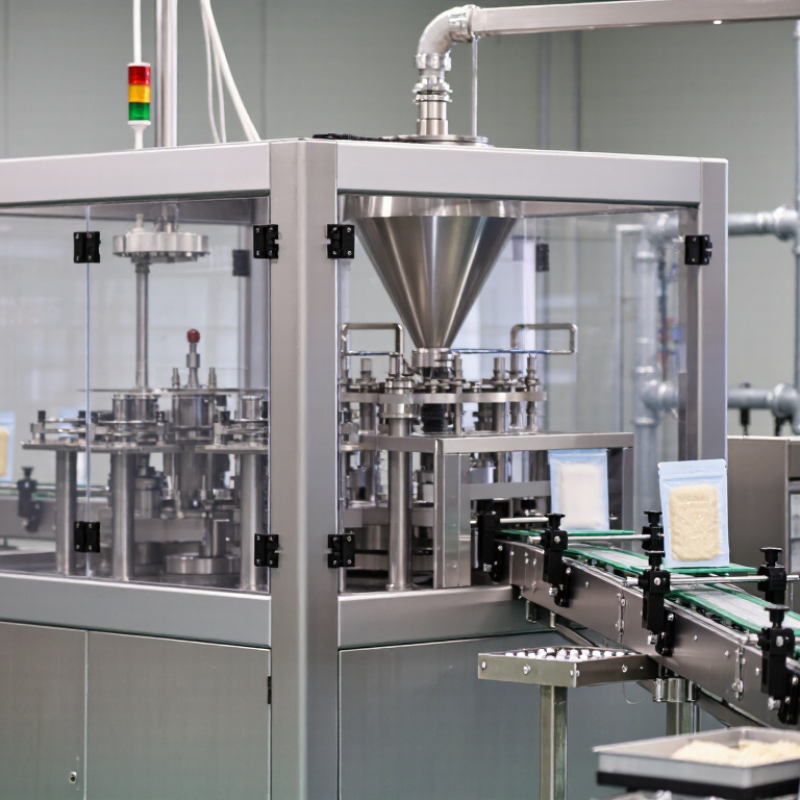
How to Buy an Automatic Doypack Packaging Machine in 2026?

Understanding Automatic Doypack Machines and Their Core Functions

An automatic doypack machine takes pre-made stand-up pouches through feeding, opening, filling, and sealing. Some systems also add date coding, zipper handling, or pouch inspection. The filling unit may use a pump, auger, or multihead weigher, depending on whether the product is liquid, powder, or solid. Sensors check pouch position and help prevent filling an unopened pouch. Small details matter.

The Flexible Packaging Association’s 2024 State of the Industry report estimated U.S. flexible packaging sales at $42.9 billion in 2023, about 21% of the packaging market. That figure shows the format’s commercial scale, but it does not tell buyers which machine suits their product. Pouch dimensions, material stiffness, fill temperature, and target output all affect performance. A quoted speed can look impressive on paper. Changeovers may feel different.

Tips: Test the actual pouch and product before choosing a machine. Ask for sample runs at your intended fill weight, then inspect seals, spillage, and pouch stability. Check how quickly operators can clean product-contact parts and change formats. Leave room for small adjustments; real production rarely matches a perfect showroom run.

Defining Product, Pouch, and Production Requirements

How to Buy an Automatic Doypack Packaging Machine in 2026?

Defining Product, Pouch, and Production Requirements

Before comparing machines, describe your product in practical terms: powder, granules, liquid, or paste; particle size, flow, temperature, and target fill weight. A free-flowing snack and a sticky sauce need different dosing systems. Record whether the product creates dust, leaves oily residue, or breaks easily. Small details matter.

Use actual pouch samples to confirm width, height, gusset, laminate thickness, and any zipper or spout. The Flexible Packaging Association’s 2023 State of the U.S. Flexible Packaging Industry report put U.S. industry sales at $42.9 billion in 2022. That figure reflects a broad, varied market; it does not identify the right machine for your pack. Test opening, filling, sealing, and leak resistance with your chosen material. A pouch can look right but still run poorly.

Tips: Set your target using saleable packs per minute, allowing for changeovers, cleaning, and rejects. Ask for a trial using your product and pouch, and record speed, seal quality, and product giveaway. I would not size a line from brochure speed alone. Run the sample.

Comparing Machine Types, Features, and Technical Specifications

When comparing automatic doypack machines, start with the pouch format and production pattern. Rotary machines use a circular station layout and can suit steady, higher-volume runs. Inline machines move pouches through stations in a straight line and may be easier to access in a smaller workspace. Both can handle premade stand-up pouches, but their changeover routines and footprints differ.

Fit matters. Check the machine’s pouch-width and pouch-height range against the bags you actually plan to buy, including zipper and gusset dimensions. Then compare filling systems: auger fillers often suit powders, while piston or pump fillers can handle many pastes and liquids. Granules may need a weigh-based system. Ask for tested output with your product, not just a maximum speed listed on a specification sheet. Real production is less tidy.

Review sealing temperature control, pouch-opening detection, reject handling, and the time needed for size changes. A small test run can reveal whether pouches open reliably and seals stay clean when product lands near the top edge. Also confirm electrical supply, air pressure, machine dimensions, and cleaning access. A detailed checklist helps, though it cannot replace seeing your own product run on the equipment. We often overlook that part.

How to Buy an Automatic Doypack Packaging Machine in 2026? — Comparing Machine Types, Features, and Technical Specifications
Machine Type Typical Output* Typical Configuration Best Suited For Key Advantages Points to Check Before Buying
Single-lane intermittent rotary Approximately 20–60 pouches/min A rotary indexing table with pouch pickup, opening, filling, sealing, and discharge stations; often configured with 6–10 stations. Small to medium production volumes, frequent product changes, and a broad range of premade stand-up pouches. Flexible format options; comparatively straightforward changeover and operation; can accommodate zipper, spout, or other pouch features when equipped for them. Ask for a demonstrated speed using your pouch, product, and fill weight. Confirm the supported pouch dimensions, change-part requirements, and whether all stations needed for your pouch features are included.
High-speed intermittent rotary Approximately 40–100 pouches/min A higher-capacity rotary layout, commonly with additional stations or optimized pouch handling and dosing equipment. Medium to high output where premade pouch formats remain suitable and the product can be dosed at the required rate. Higher potential throughput than a compact line while retaining intermittent sealing and a flexible station-based design. Verify actual sustained output, not just the machine’s maximum speed. Check whether the filler, pouch opening, settling, and sealing steps can keep up with the target rate.
Continuous-motion rotary Approximately 60–120 pouches/min on suitable applications Rotary pouch handling designed to reduce or avoid pauses during selected operations; usually requires coordinated, application-specific filling and sealing systems. Higher-volume production with consistent pouch formats and products that support fast, repeatable dosing and sealing. Can support higher throughput when pouch presentation, filling, and sealing conditions are well matched. Assess format flexibility, setup complexity, sealing performance at speed, and the cost of change parts. Request a production trial with representative product and packaging material.
Multi-lane rotary Application-dependent; output may exceed a comparable single-lane setup Two or more pouch paths handled by a coordinated machine and dosing arrangement; lane count and layout vary by application. High-volume runs where pouch size, product behavior, and production planning suit parallel handling. Potentially greater output per machine footprint when multiple lanes can run reliably. Confirm that the quoted speed is per lane or total, and review lane-to-lane fill consistency, fault handling, cleaning access, and the effect of a stoppage on overall production.

*Output figures are indicative buying ranges, not guaranteed specifications. Actual speed depends on pouch dimensions, product characteristics, fill volume, dosing method, sealing conditions, machine configuration, and operating requirements. Confirm performance through a trial using representative materials.

Technical Specifications and Features to Compare
Specification or Feature What to Request or Verify Why It Matters
Pouch dimensions and style Minimum and maximum pouch width and length; gusset range; supported zipper, spout, corner, and shaped-pouch options. The machine’s pouch-handling range must include both current and planned formats. Special features may require additional stations or tooling.
Product and dosing system Filler type matched to the product: for example, volumetric cup or multihead weighing systems for suitable free-flowing solids, auger dosing for powders, and piston or pump systems for liquids and pastes. Product flow, particle size, viscosity, temperature, and target dose affect accuracy, speed, cleanability, and changeover time.
Fill accuracy and verification A written accuracy or giveaway specification for your product and fill range, plus the test method, sample size, and trial conditions. Accuracy is product- and filler-dependent; a general machine rating alone does not establish performance for your application.
Film and sealing compatibility Compatible laminate structures and thicknesses, seal type, temperature and dwell-time settings, seal inspection options, and any special requirements for recyclable or high-barrier materials. Different materials need suitable sealing conditions. Confirm seal integrity and appearance using the actual pouch construction.
Utilities and installation Electrical supply, installed power, compressed-air pressure and consumption, footprint, working clearances, and any exhaust, vacuum, or cooling requirements. Requirements vary by model and options. Use the supplier’s final utility and layout drawings for site preparation rather than relying on generic estimates.
Controls and inspection Recipe storage, operator access controls, fault diagnostics, pouch-presence checks, no-pouch/no-fill logic, and integration options for checkweighers or code inspection. These functions can help reduce waste, simplify changeovers, and support line monitoring; confirm what is standard and what is optional.
Cleaning, changeover, and safety Cleaning procedure, product-contact materials, tool-free access where available, change-part list, estimated changeover steps, guarding, and applicable machine-safety documentation. Important for product hygiene, operator safety, allergen control, and efficient production changes. Requirements depend on the product and facility.
Acceptance testing and support Factory and site acceptance criteria, agreed production-trial materials, training, spare-parts list, documentation, service response arrangements, and warranty terms. Clear acceptance criteria help confirm that the installed line meets agreed output, quality, and operational requirements.

Evaluating Suppliers, Safety Standards, and Total Ownership Costs

How to Buy an Automatic Doypack Packaging Machine in 2026?

Compare suppliers by evidence, not presentation. Ask for a factory acceptance test using your actual pouch, product, and target speed. Watch several minutes of operation, then inspect seals, fill consistency, and rejected packs. Request drawings, maintenance schedules, spare-parts lists, and operator training details. A polished demonstration can hide awkward changeovers. Details matter.

Check that guards, emergency stops, and interlocks are clearly documented and tested. Confirm which safety standards apply to your installation with a qualified local specialist; requirements can vary by location.

Then estimate total ownership costs, not just the purchase price. Include film waste, electricity, routine parts, technician travel, training, and downtime during format changes. Ask how quickly common wear parts can be supplied. A low quote may become expensive if support is slow. Cost estimates also depend on real production conditions, so leave room for uncertainty.

Tips: Bring your own packaging film and product to the trial. Time a changeover, inspect the seal area, and ask who handles service after installation. Record assumptions in writing. Some details will still be missed; revisit them before signing.

Testing, Installing, and Verifying the Selected Machine

A supplier’s video rarely proves that a doypack machine will suit your product. During factory acceptance testing, run your actual pouch film, filling product, and target pack sizes. Check seal appearance, fill accuracy, changeover time, and sustained output—not just the fastest cycle shown. PMMI’s 2024 State of the Industry report identifies automation and workforce pressures as important packaging investment drivers. That makes repeatable performance and clear operator instructions worth testing together.

Watch the machine run long enough to expose small faults. Record stoppages, rejected pouches, and the cause of each adjustment. Weigh samples from the beginning, middle, and end of the run; inspect seals for wrinkles, contamination, or weak edges. A short trial can miss drift. That is easy to overlook. Define acceptance limits before testing, and ask for the raw results, not only a polished summary.

At installation, confirm floor level, electrical supply, compressed-air quality, and access for cleaning and maintenance. Then repeat key tests on your own site with trained operators. The U.S. Bureau of Labor Statistics reported a 2.8-case rate of nonfatal occupational injuries and illnesses per 100 full-time workers in manufacturing for 2023. Use that context to verify guarding, emergency stops, and safe access during routine pouch changes. Record settings, training, spare parts, and unresolved issues; one awkward adjustment may deserve another review before sign-off.

FAQS

What product details should I define before choosing a machine?

Identify whether it is powder, granules, liquid, or paste. Note particle size, flow, temperature, and target fill weight. Also record dust, oily residue, or fragile pieces.

Why should I test my actual pouch samples?

Measure pouch width, height, gusset, and laminate thickness. Check any zipper or spout. A pouch may look suitable but still open or seal poorly.

What should a pouch trial include?

Test opening, filling, sealing, and leak resistance with your product and packaging film. Inspect seals and fill consistency. Run the sample.

How should I set a realistic production target?

Use saleable packs per minute, not brochure speed alone. Allow for cleaning, changeovers, and rejected packs. Record product giveaway during the trial.

What evidence should I request from a supplier?

Ask for a factory test using your product, pouch, and target speed. Request drawings, maintenance schedules, spare-parts lists, and operator training details.

How can I evaluate a machine demonstration?

Watch several minutes of operation. Inspect rejected packs and seals, then time a changeover. A polished demonstration can still hide awkward adjustments.

Which safety details should I check?

Confirm that guards, emergency stops, and interlocks are documented and tested. Ask a qualified local specialist which standards apply to your installation.

What costs belong in the ownership estimate?

Include film waste, electricity, routine parts, technician travel, training, and downtime. Ask how quickly common wear parts can arrive. Leave room for uncertainty.

What should I do before signing an order?

Bring your own product and packaging film to the trial. Record assumptions in writing and confirm who provides service after installation. I may still miss a detail.

Conclusion

Buying an Automatic Doypack Packaging Machine in 2026 starts with understanding how the equipment forms, fills, and seals stand-up pouches, and which functions are essential for your operation. Define your product characteristics, pouch dimensions and materials, desired output rate, and production environment before comparing machine types. Review technical specifications such as filling accuracy, changeover time, automation level, and compatibility with your packaging requirements to identify options that fit both current needs and future plans.

A well-informed purchase also considers supplier support, machine safety, installation requirements, and total ownership costs, including maintenance, training, and spare parts. Before making a final decision, request a practical test using representative products and pouches, then confirm that the machine meets agreed performance targets. Careful installation, operator training, and verification during production help ensure the selected equipment works reliably and delivers consistent results.

Ethan

Ethan

Ethan is a professional marketing specialist with a strong understanding of product strategy, customer needs, and digital communication. As a key member of the company’s marketing team, he combines industry knowledge with practical experience to explain complex product features in a clear,......