Explore expert articles, machinery updates, technical guides, and industry insights from ReformMak.
Choosing a Horizontal Form Fill Seal Packaging Machine is not just a speed decision. The right system must handle your product, film, pack style, and daily production demands. W. Edwards Deming, a respected manufacturing quality expert, emphasized, “Quality is everyone’s responsibility.” That principle matters here: operators, maintenance teams, and buyers all influence packaging consistency.
Start with the product. A soft bakery item, a rigid tray, and a small hardware part each need different handling and sealing conditions. Then compare the required pack dimensions, film types, seal quality, and target output. Ask suppliers to demonstrate your actual product and packaging material, not just a similar sample. Watch how the machine forms the film, loads the product, seals the pack, and responds to a changeover. Small details matter. A difficult-to-clean surface or awkward film roll can slow a real shift.
Also consider floor space, operator training, spare parts, and integration with existing equipment. A high-speed machine may look impressive, but it can be the wrong choice if your team cannot maintain it or your product jams during feeding. Be honest about uncertainty: forecasts change, and production plans are rarely perfect. This guide will help you assess key specifications, compare suppliers, and ask practical questions before investing in a Horizontal Form Fill Seal Packaging Machine.
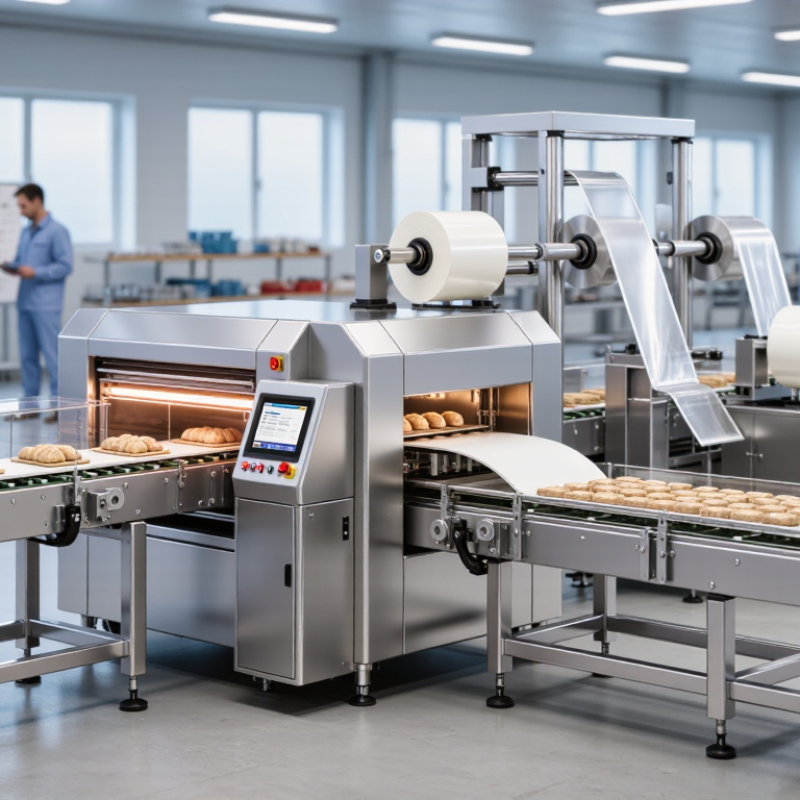
Before choosing a horizontal form fill seal (HFFS) machine, define how your product behaves on the line. Record its dimensions, weight, flow characteristics, and sensitivity to heat, pressure, or handling. A powder may create dust at the sealing area; a fragile snack can break during feeding. Include target pack size, fill tolerance, production rate, and expected changeover frequency.
Specify the package too: pouch style, film structure, seal width, barrier needs, and print registration. The Flexible Packaging Association’s 2024 State of the Flexible Packaging Industry report estimated U.S. flexible packaging sales at $42.9 billion in 2023. That figure shows the scale of the format, not which film your machine can run. Request trials using your actual product and proposed film. Check seal integrity, waste, and speed—not just the machine’s rated output. A neat specification can still miss an awkward product variation.
Tips: Bring several product samples, including the smallest and largest units. Ask for test results on the exact film structure, then record acceptable seals and changeover time. One detail is easy to overlook: real production is rarely as tidy as a demonstration.
A horizontal form-fill-seal machine should fit the pack you need to make, not just the speed listed on its brochure. Start with the finished shape: pillow packs, gusseted bags, and flat sachets place different demands on forming and sealing. Check the usable film width, bag length, seal pattern, and print registration against your product. Then test the actual laminate. A glossy film may slide differently from a matte one, while a thick seal layer can need more heat or dwell time. Small differences matter.
Materials shape the choice. Confirm the film’s stiffness, coefficient of friction, barrier layers, and sealing window with its supplier. The Flexible Packaging Association’s 2023 State of the U.S. Flexible Packaging Industry report put U.S. industry sales at $42.9 billion in 2022, about 21% of the packaging market. That scale reflects how widely flexible formats are used, but it does not mean every film runs on every machine. Run production trials using your product and intended rollstock. Watch for wrinkles, weak seals, and shifting print marks. Test again at the target speed. A clean sample is not enough. Even a careful trial can miss seasonal changes in film behavior, so leave room for adjustment.
A horizontal form fill seal machine should be judged against your actual shift, not a catalog’s headline speed. Rated output often assumes steady feeding, one package size, and ideal film. Ask for demonstrated packs per minute using your product, target pouch dimensions, and planned seal style. Test the slowest product too; sticky or irregular pieces can interrupt feeding.
Compare usable speed with demand across a full shift. Include loading, film splices, cleaning, changeovers, and routine stops. A line rated at 120 packs per minute may deliver much less when operators switch formats twice daily. Numbers can mislead. Request a timed run and record good packs, rejects, and stoppage causes. Even a short trial can reveal awkward adjustments.
Review specifications that affect output. Check supported film width and thickness, pouch length range, sealing temperature control, dosing interface, and sensors. Confirm change parts are practical to lift and replace, and guards allow routine access. Ask what utilities, floor space, and maintenance skills are needed. Have the supplier verify compatibility with your actual film and fill weight. Leave some capacity in reserve, but avoid buying a much larger machine without a clear demand forecast; extra capacity can raise costs and complicate changeovers.
A horizontal form fill seal machine should fit the product and the people who run it. Changeover is not just a speed claim. Ask how long it takes to remove the forming set, clean contact surfaces, and load the next film roll. Then watch a real changeover, including tool storage and recipe selection. Small details matter. A misplaced wrench or unclear setting can erase minutes saved elsewhere. The 2024 Deloitte and Manufacturing Institute talent study projects that 1.9 million U.S. manufacturing jobs could remain unfilled by 2033. That broad workforce outlook makes clear controls and repeatable changeover steps especially valuable.
Sanitation deserves a hands-on review. Check whether operators can reach product-contact areas without awkward stretching, and whether guards, belts, and seal jaws can be removed or cleaned as required. I would not assume the fastest changeover is best; sanitation access may matter more for a particular product. It is worth testing that assumption against your cleaning procedure. Line integration also needs proof, not promises. Confirm the machine’s footprint, discharge height, film direction, electrical supply, and communication signals against adjacent equipment. Ask for a test using your actual film and product. The result may expose small timing or transfer issues before installation. Integrators sometimes overlook these details. That can cause avoidable rework.
Example planning scores for a line with frequent product changes and strict hygiene requirements. Scores are illustrative (1 = low priority, 5 = high priority), not industry benchmark data.
How to use: Prioritize quick, tool-less changeovers if formats change often; assess cleanability and washdown compatibility against your sanitation procedures; and verify that the machine can exchange products and signals with upstream and downstream equipment.
When comparing horizontal form fill seal machines, price the support behind the equipment, not just the frame and forming tube. PMMI’s 2023 State of the Industry report puts U.S. packaging machinery shipments at roughly $10 billion, underscoring how much manufacturers rely on this equipment. Ask suppliers for response-time commitments, local technician coverage, spare-parts lead times, and operator training details. Get specifics. A fast remote reply is not the same as a technician who can restore production before the next shift.
Build total cost over several years. Include film waste during setup, changeover labor, energy use, planned maintenance, and the cost of unplanned stoppages. Request a trial using your actual film, product, and target speed; inspect seal consistency and changeover steps. Small details matter. Deloitte’s 2024 manufacturing outlook highlights continued investment in smart manufacturing, but sensors and dashboards only help when staff can interpret the data and act on it. That part is easy to underestimate.
Check compliance against the machine’s destination and product-contact conditions. Ask for electrical schematics, guarding documentation, material declarations for contact parts, and records supporting applicable food-safety or machinery requirements. Confirm who maintains these documents after modifications. Requirements vary by market. I would not assume a supplier’s standard configuration fits every plant; even a minor film or product change can expose gaps in cleaning access, validation records, or operator procedures.
| Evaluation Area | What to Assess | Evidence to Request | Comparison Point |
|---|---|---|---|
| Supplier Support | Availability of installation, commissioning, operator training, and technical assistance for the machine’s destination site. | Written scope of installation and training; service locations and hours; escalation process; remote-support requirements. | Confirm who performs each task, what is included in the quotation, and whether travel or other service charges are additional. |
| Supplier Support | Response and repair arrangements for faults that could stop production. | Documented service-level targets, support contact details, troubleshooting process, and examples of service reports or procedures. | Compare stated response targets and the availability of qualified technicians for the operating location; distinguish response time from repair time. |
| Supplier Support | Access to recommended spare parts, consumables, and technical documentation. | Critical-spares list, prices, lead times, parts-identification system, electrical drawings, manuals, and maintenance schedules. | Check the cost and lead time of critical components, and clarify whether software, passwords, or special tools are needed for routine maintenance. |
| Supplier Support | Warranty coverage and exclusions. | Written warranty terms covering duration, covered components, labor, travel, wear parts, and required maintenance. | Compare the actual coverage and claim process rather than relying on a warranty-duration figure alone. |
| Total Cost | Initial delivered and installed cost. | Itemized quotation for the machine, tooling, change parts, shipping, installation, commissioning, training, and applicable taxes or duties. | Compare quotations using the same scope, product specifications, delivery location, and acceptance criteria. |
| Total Cost | Tooling and format-change costs for the intended pack sizes and styles. | List of included and optional forming sets, sealing components, change parts, and estimated changeover procedure. | Verify that every required package format is covered and identify the parts, labor, and downtime needed for each changeover. |
| Total Cost | Operating costs over the planned ownership period. | Estimated power and compressed-air requirements; routine-maintenance schedule; wear-part list; recommended spare-parts inventory. | Build a like-for-like total-cost estimate that includes utilities, maintenance, parts, labor, and planned service over the same period. |
| Total Cost | Packaging-material use, sealing performance, and product waste. | Machine trials using the intended film and product; sample packs; seal-integrity results; stated operating conditions and test method. | Compare results on the same product, film, pack dimensions, and acceptance criteria. Do not treat a quoted maximum speed as a guaranteed production rate. |
| Total Cost | Production capacity and integration requirements. | Documented output assumptions, upstream and downstream interface requirements, footprint, utilities, and factory acceptance test plan. | Confirm the rate achievable with the actual product, pack format, and line configuration, including time for loading, changeovers, and routine stops. |
| Compliance | Machine safety requirements for the country where the equipment will be installed. | Risk-assessment documentation, safety-device details, operating instructions, and applicable conformity documentation for the destination market. | Verify local machinery, electrical, guarding, and workplace-safety requirements with the responsible compliance specialist or authority. |
| Compliance | Food-contact suitability of packaging materials, where applicable. | Declarations or supplier documentation for the intended film and any product-contact components; applicable test or migration documentation when required. | Assess the actual material, intended food type, use conditions, and target market. Food-contact compliance depends on applicable rules and the specific materials; it is not established by the machine alone. |
| Compliance | Traceability, coding, and packaging-label requirements. | Requirements for date or lot coding, print inspection, code verification, reject handling, and records needed by the facility. | Confirm that coding and inspection equipment can meet the product’s market and customer requirements, and agree how rejects and production records will be handled. |
| Acceptance | Clear, measurable acceptance criteria before final payment or handover. | Factory and site acceptance test protocols specifying the agreed product, packaging material, pack quality, operating conditions, and documentation. | Set pass/fail criteria in writing and ensure tests reflect the intended production conditions rather than an unrelated demonstration setup. |
No. Request a timed run using your product, pouch size, film, and seal style. Record good packs, rejects, and stoppage causes. A 120-pack-per-minute rating may drop during cleaning or changeovers. I might be giving headline speed too much weight.
Check film width and thickness, pouch-length range, sealing-temperature control, dosing interface, and sensors. Confirm required utilities, floor space, and maintenance skills. Keep some capacity in reserve, but avoid oversizing without a clear forecast.
Watch operators remove the forming set, clean contact surfaces, and load a new film roll. Check tool storage and recipe selection too. Small details matter. A misplaced wrench can waste valuable minutes.
See whether operators can reach product-contact areas comfortably. Check if guards, belts, and seal jaws can be removed or cleaned as needed. The fastest changeover may not suit your cleaning procedure. Test that assumption.
Compare its footprint, discharge height, film direction, electrical supply, and communication signals with nearby equipment. Test your actual film and product. Small timing or transfer issues may appear.
Ask about response times, local technician coverage, spare-parts lead times, and operator training. Get specifics. A quick remote reply may not restore production before the next shift.
Estimate film waste, changeover labor, energy use, planned maintenance, and unplanned stoppages over several years. Test seal consistency and changeover steps. Dashboards help only when staff can interpret the data and act.
Request electrical schematics, guarding documentation, and material declarations for product-contact parts. Ask for records supporting applicable food-safety or machinery requirements. Confirm who updates documents after modifications. Requirements vary by destination and product.
Choosing a Horizontal Form Fill Seal Packaging Machine starts with a clear understanding of the product, including its size, shape, handling requirements, and desired shelf presentation. These details help determine the suitable package format and packaging materials, as well as whether the machine can form, fill, and seal each pack reliably. Compare production capacity, operating speed, machine dimensions, and other specifications with current needs and anticipated growth rather than relying on speed alone.
Also consider how easily the machine can be changed over for different products or package sizes, how it supports sanitation routines, and how it will connect with the rest of the production line. Evaluate supplier training, service availability, spare parts, and the machine’s total cost over its expected operating life. Finally, confirm that the proposed equipment and packaging process meet the applicable requirements for the product and market. A balanced assessment helps identify a machine that fits both daily operations and longer-term plans.