
Explore expert articles, machinery updates, technical guides, and industry insights from ReformMak.
High-speed, compact-footprint vertical cartoning machinery integrated with multi-lane sachet, stickpack, and rigid product feeding lines. Fully adaptable for Boston’s cleanroom and contract packaging facilities.
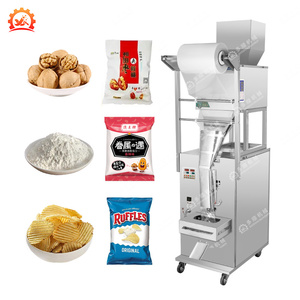
Precision vertical stickpack/sachet system integrated with automated tuck-in carton loading. Ideal for pharmaceutical granules and dietary supplements.
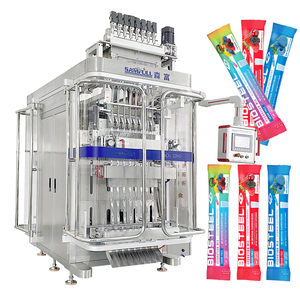
High-output multi-track VFFS stick pack packaging integrated with automated servo-driven vertical top-load box insertion for fast-turnaround nutraceutical plants.
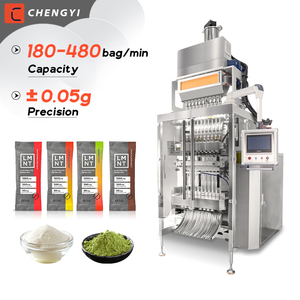
Multi-lane 10g-15g protein supplement dosing line synchronized with an automatic vertical cartoning module equipped with GUK leafleter integration.
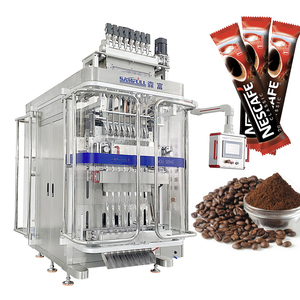
Flexible 2-to-4 lane stickpack system connected directly to an intermittent-motion vertical carton erector, tucking, and hot-melt gluing matrix.
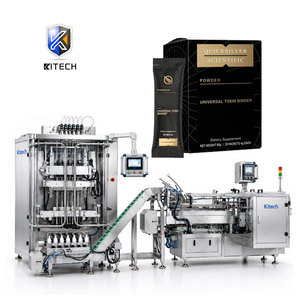
Designed for 6-lane and 8-lane stickpack automated counting, robotized collation, and continuous vertical top-loading into chipboard cartons.
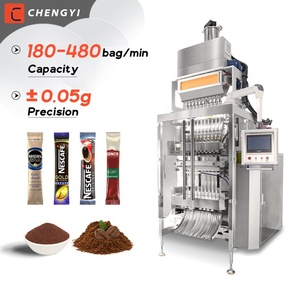
Ultra-compact pouch filling and sealing platform with an integrated vertical carton forming module for high-density retail presentation boxes.
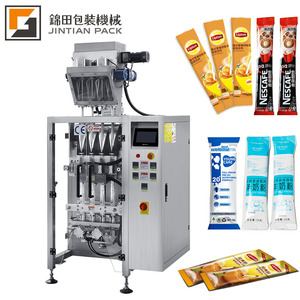
Precision auger filling system connected to a vertical tuck-in box packaging machine. Includes vision inspection and automated weight control feedback.
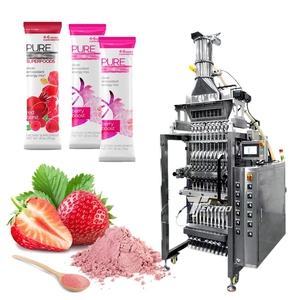
High-speed 4-line to 8-line secondary packaging cell engineered specifically for pharmaceutical-grade powder sticks requiring cleanroom isolation.
The Greater Boston metropolitan area—anchored by world-renowned innovation clusters in Kendall Square (Cambridge), the Route 128 Technology Corridor (Waltham, Lexington, Woburn), Framingham, and the Worcester Biotechnology Park—represents the highest density of life sciences, biopharmaceuticals, medical device engineering, and specialized consumer health formulation in North America. As contract manufacturing organizations (CMOs), contract development and manufacturing organizations (CDMOs), and advanced food-tech innovators in New England scale from clinical pilot batches to high-volume commercial distribution, secondary packaging efficiency has emerged as a primary driver of overall equipment effectiveness (OEE) and unit cost control.
Among automated secondary packaging modalities, Vertical Cartoning Machines (Vertical End-Load and Top-Load Cartoners) provide exceptional structural advantages over traditional horizontal cartoning systems. In facilities where cleanroom real estate is priced at a premium—such as ISO Class 7 and Class 8 cleanrooms across Massachusetts—the vertical cartoning machine's ultra-compact footprint yields up to a 45% floor space saving while offering unparalleled versatility in handling multi-component product kits, fragile glass vials, blow-fill-seal (BFS) ampoules, medical diagnostic devices, and multi-lane powder stickpacks.
"In Boston's biopharmaceutical and specialty packaging space, machinery footprint, rapid tool-less changeover, and 21 CFR Part 11 compliance are non-negotiable. Vertical cartoning architecture bridges the gap between delicate manual insertion and high-speed robotic automation."
— Lead Systems Integration Engineer, New England Pharma Automation CouncilVertical cartoning machines operate by erecting pre-cut carton blanks vertically, holding the open carton upright on a continuous or intermittent pocket conveyor system while product is inserted from the top—either gravity-assisted, mechanical pick-and-place, or multi-axis delta robotic placement. This vertical orientation eliminates lateral product friction, preventing damage to delicate foil sachets, liquid-filled pouches, or fragile pharmaceutical containers.
| Engineering Parameter | Vertical Cartoning Systems (Top-Load) | Horizontal Cartoning Systems (End-Load) | Boston Facility Advantage |
|---|---|---|---|
| Machine Footprint (m²) | 1.8 m² – 3.5 m² (Ultra-Compact) | 4.5 m² – 8.0 m² (Linear/Extended) | Optimized for high $/sq.ft Cambridge/Waltham cleanrooms |
| Product Loading Mechanics | Top-down (Gravity-assisted / Pick & Place) | Horizontal Push (Side-arm pusher) | Zero lateral stress on delicate vials, syringes & sachets |
| Changeover Duration | 10 – 20 Minutes (Tool-less quick release) | 30 – 60 Minutes (Complex rail adjustments) | Ideal for high-mix, low-to-medium volume CDMO batch runs |
| Multi-Item Kitting Capability | Native (Multiple top-feed stations allowed) | Limited (Requires complex sequence collators) | Seamless combination of stickpack + leaflet + dropper |
| Carton Closure Types | Tuck-in (Reverse/Straight), Hot-Melt, Lock-bottom | Tuck-in (Reverse/Straight), Hot-Melt | Full structural flexibility across retail and clinical boxes |
Our vertical cartoning machines and factory-integrated secondary packaging lines are custom-engineered to meet the strict regulatory, operational, and environmental requirements of distinct industrial sub-clusters throughout Greater Boston and New England:
Integration with ISO Class 7 cleanrooms for cartoning glass vials, unit-dose liquid pouches, lyophilized powders, and autoinjector pens. Includes GUK leaflet folding, 21 CFR Part 11 audit trails, and Cognex 2D matrix inspection.
High-speed secondary vertical cartoning for multi-lane electrolyte powder stickpacks, protein powders, and dietary supplements. Handles high count variations (10-count to 60-count display boxes) with automated counting gates.
Automated insertion of diagnostic test strips, reagent vials, lancets, and instruction booklets into rigid chipboard vertical cartons. Ensures 100% presence verification via optical sensors prior to carton sealing.
Packaging single-serve liquid sachets, artisanal coffee powder sticks, and gourmet sauce pouches into eco-friendly recycled paperboard boxes with hot-melt glue or tamper-evident tuck closures.
Designed for contract packagers requiring tool-less changeover between diverse carton dimensions (Length: 30-150mm, Width: 20-100mm, Height: 60-200mm) with recipe-driven HMI recall in under 15 minutes.
Secondary boxing of essential oil bottles, serum droppers, and skincare sachets. Soft-touch feed mechanisms prevent scratching on glossy, foil-stamped, or embossed luxury carton finishes.
As Massachusetts tightens regulations regarding manufacturing sustainability and industrial energy efficiency, packaging engineers in Boston are adopting vertical cartoning systems engineered with next-generation automation capabilities:
Modern vertical cartoners feature servo-controlled positive carton erection using vacuum suction cups designed specifically to handle variable rigidity in 100% post-consumer recycled (PCR) paperboard and biodegradable corrugated materials.
In accordance with the Drug Supply Chain Security Act (DSCSA), our vertical cartoners seamlessly integrate inkjet/laser coders (Domino, Videojet) and high-resolution vision verification systems to print and inspect serialized 2D DataMatrix codes on carton flaps.
Equipped with Allen-Bradley ControlLogix or Siemens S7-1500 PLCs, secure OPC UA protocols, and EtherNet/IP connectivity, enabling Boston plant managers to monitor real-time OEE, MTBF, and predictive maintenance metrics via mobile dashboards.
With over two decades of technical expertise in primary stickpack/sachet machinery and secondary vertical cartoning integration, our engineering factory delivers turn-key reliability, robust build quality, and unmatched technical customization for New England buyers.
Constructed with anodized aluminum structural frames and smooth SUS304/SUS316L contact surfaces, eliminating crevices to prevent microbial accumulation and streamline CIP/SIP cleaning routines.
Built standard with NEMA 4X / IP65 enclosures, NFPA 79 electrical safety wiring, Allen-Bradley PLCs, and 480V 3-Phase 60Hz power integration for seamless approval by Massachusetts municipal electrical inspectors.
We supply comprehensive Factory Acceptance Testing (FAT), Site Acceptance Testing (SAT), and complete cGMP validation documentation protocols (IQ/OQ/PQ) to accelerate FDA regulatory approval for pharma lines.
Direct technical responses addressing machinery specs, regulatory compliance, lead times, and post-installation support for New England manufacturers.
Our vertical cartoners are designed to handle straight tuck, reverse tuck, crash-lock bottom (auto-bottom), and hot-melt adhesive glue closure styles (using integrated Nordson or Robatech gluing units). They process carton stock ranging from 200g/m² to 450g/m² solid bleached sulfate (SBS) paperboard, as well as micro-flute E-flute and F-flute corrugated cardboard.
All control panels supplied to clients in Boston and New England are fabricated in accordance with UL 508A standards and NFPA 79 electrical safety codes. We utilize premium global components including Allen-Bradley, Siemens, Schneider Electric, and SMC pneumatics. Machines operate natively on 480V, 3-Phase, 60Hz power supplies standard in US industrial facilities.
Yes. We specialize in turn-key line integration. Our vertical cartoners can be synchronized with multi-lane VFFS stickpack machines, liquid sachet fill-seal equipment, blister packaging machines, or bottle filling lines via custom servo bucket conveyors, smart robotic transfer arms, or star-wheel indexers.
Standard vertical cartoning machines are manufactured and factory-tested within 45 to 60 days. Air freight delivery to Boston Logan International Airport (BOS) or sea freight via the Port of Boston is handled with full customs documentation. On-site commissioning and operator training by our certified field service engineers typically take 3 to 5 days.
We integrate high-speed Cognex or Keyence smart cameras to inspect carton code presence (1D barcode, 2D DataMatrix, LOT/EXP text via OCR/OCV), leafleter insertion verification, and top flap closure integrity. Failed cartons are automatically diverted into a locked reject bin equipped with full sensor confirmation.
Our vertical cartoners feature digital position indicators (Siko counters) and quick-release clamping handles across all adjustment spindles. Operators can execute a complete size changeover between pre-set recipe profiles in under 15 minutes without requiring specialized hand tools.
Consult directly with our packaging design team to review your product samples, carton die-lines, speed requirements, and cleanroom specifications.