
Explore expert articles, machinery updates, technical guides, and industry insights from ReformMak.
Engineered for high-viscosity chili pastes, condiments, powders, and liquid sachet formats. ISO 9001:2015 & CE Certified export lines configured for Uruguayan grid voltages and hygiene norms.
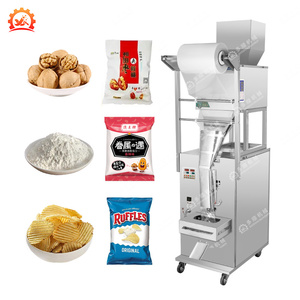
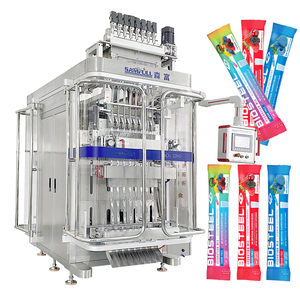
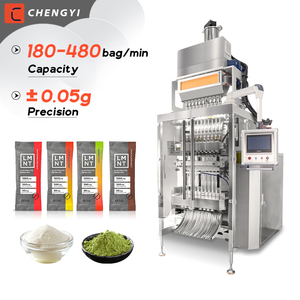
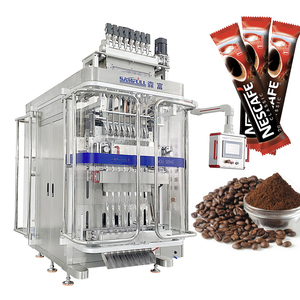
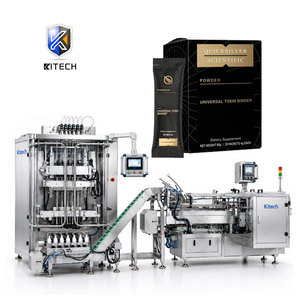
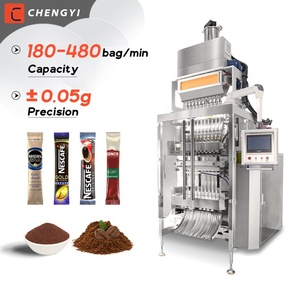
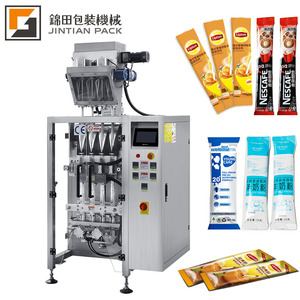
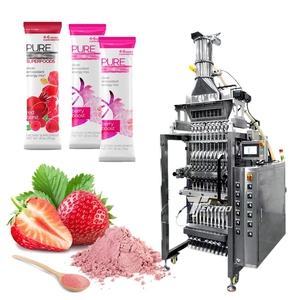
The Latin American condiment and hot sauce manufacturing sector is undergoing a rapid transition toward automated single-serve packaging and high-speed multi-lane pouch production. In Uruguay, where food processors must adhere to stringent quality standards mandated by the Laboratorio Tecnológico del Uruguay (LATU) and the Ministerio de Salud Pública (MSP), procuring the right chili paste filling and packaging machinery from leading Chinese OEMs has become a critical strategic lever. Chili pastes present unique physical and rheological challenges—such as non-Newtonian flow behavior, seed particulates, high acidity, and sticky oil phase separation—that demand specialized mechanical engineering.
Piston pumps equipped with jacketed thermal hoppers prevent oil separation and maintain pseudoplastic fluid viscosity during long production runs.
All product contact zones utilize AISI 316L stainless steel to resist acetic acid, capsaicin oils, and saline washdown corrosion over decades.
Automated CIP integration with pneumatic valve blow-out eliminates cross-contamination between hot chili, chimichurri, and garlic paste batches.
Chili paste is rarely a uniform fluid. Formulations often consist of crushed chili seeds, pulp fibers, vegetable oil suspensions, salt, vinegar, and thickening agents like xanthan gum. This composition exhibits shear-thinning (pseudoplastic) flow behavior with a defined yield stress. Standard gravity filling or low-pressure pumps frequently suffer from clogging, seal burn-out, or erratic filling volume.
Top-tier Chinese machine manufacturers serving the Uruguayan market overcome this by implementing servo-actuated positive displacement piston pumps coupled with rotary valve cut-offs. When dealing with chunky red pepper pastes or artisanal Uruguayan spicy sauces (such as hot chimichurri variations), the piston stroke generates controlled shear to temporarily reduce viscosity without damaging solid seed particles or causing phase separation.
For hot-fill packaging operations (typically carried out at 80°C–85°C to achieve commercial sterility in sachets), thermal expansion must be calculated. Premium Chinese paste machinery incorporates real-time temperature feedback directly connected to the PLC, automatically calibrating piston displacement to keep volumetric tolerances within ±0.5% regardless of temperature fluctuations in the feeding kettle.
Uruguayan food processing plants range from mid-sized artisanal sauce houses in Canelones to major industrial co-packers in Montevideo. Selecting between Rotary Lobe Pumps and Servo Piston Systems depends on production scale and fluid characteristics:
| Technical Feature | Servo-Driven Piston Pump System | Rotary Lobe Pump System | Peristaltic Metering System |
|---|---|---|---|
| Best Suitable Viscosity | High to Ultra-High Paste (5,000 - 100,000 cPs) | Medium to High Paste with Seeds (1,000 - 50,000 cPs) | Low to Medium Liquid Sauces (< 5,000 cPs) |
| Dosing Accuracy | Exceptional (±0.2% to ±0.5%) | High (±0.5% to ±1.0%) | Moderate (±1.0%) |
| Particulate Handling | Up to 6mm seeds/pulp chunks | Up to 12mm large vegetable pieces | Smooth pastes only (no hard solids) |
| Sanitary Washdown | Quick Disassembly / Manual & CIP | Full Inline CIP / SIP Compatible | Disposable Tubing / Hygienic Flush |
| Primary Uruguayan Use Case | Single-serve 10g - 50g Chili Paste Sachets | 500g - 1kg Stand-Up Pouches / Bottling | Sample Packets & Micro-Dosing Stickpacks |
Importing industrial machinery into Uruguay requires adherence to local electrical standards, trade policies, and food safety regulations. Top Chinese exporters design customized machinery units that seamlessly integrate into the Uruguayan industrial ecosystem:
The Uruguayan market for spicy condiments, hot sauces, and chili pastes is undergoing substantial expansion driven by urban consumer shifts, culinary diversification, and the boom of Quick Service Restaurants (QSRs) across Montevideo, Punta del Este, and Salto. Historically dominated by traditional mild condiments, the demand for spicy chili sauces—ranging from mild red pepper purees to high-Scoville habanero pastes—has surged by over 14% year-over-year.
Key market trends shaping machinery procurement include:
Combining two decades of specialized packaging automation with global component sourcing to deliver robust, high-availability machinery to Uruguay.

Our manufacturing facilities operate under strict ISO 9001:2015 quality management systems. Every chili paste filling machine undergoes a rigorous 72-hour continuous FAT (Factory Acceptance Test) using customer-supplied viscous samples prior to international dispatch to Montevideo.
Everything you need to know about importing, installing, and operating Chinese chili paste packaging equipment in Uruguay.