
Explore expert articles, machinery updates, technical guides, and industry insights from ReformMak.
Turnkey Vertical Form Fill Seal (VFFS) systems, multi-track stickpack lines, and cartoning integrations optimized for high-Brix tomato paste, condiments, and liquid food sachets.
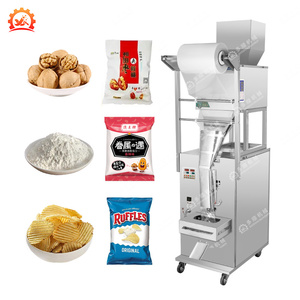
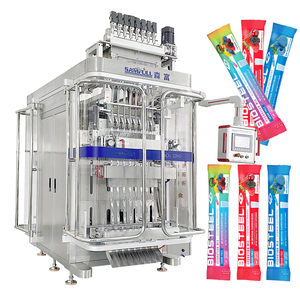
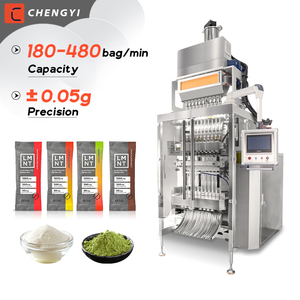
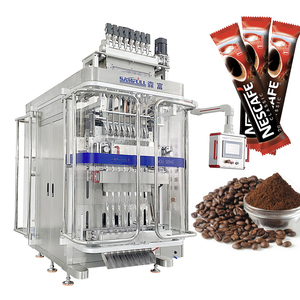
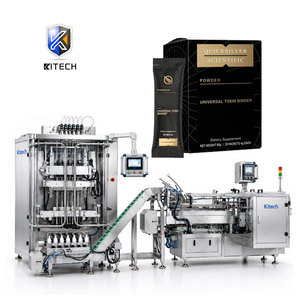
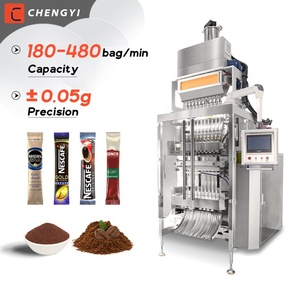
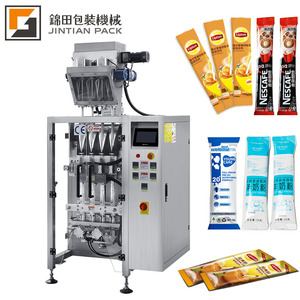
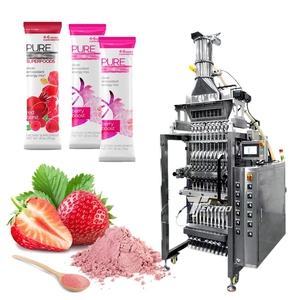
Kenya’s agricultural and food processing landscape is undergoing a monumental shift. As the economic engine of East Africa, Kenya produces over 500,000 metric tons of fresh tomatoes annually, centered around fertile hubs such as Kirinyaga (Mwea), Nakuru, Kajiado, Machakos, and Taita Taveta. However, historic post-harvest losses—exceeding 35% during peak harvest seasons due to inadequate cold-chain infrastructure—have catalyzed a rapid transition toward industrial tomato paste processing and local value addition.
For food manufacturers and OEM investors targeting Kenya, success relies on understanding the unique consumer purchasing behavior known as the "Kadogo Economy". Derived from the Swahili word for "small", the Kadogo economy represents a micro-retail phenomenon where over 78% of urban and peri-urban consumers in Nairobi, Mombasa, Nakuru, and Kisumu purchase fast-moving consumer goods (FMCG) in small, single-use daily portions rather than bulk containers.
To capitalize on this booming market, food processors require state-of-the-art Custom OEM Tomato Paste Sachet Packing Machines capable of handling high-viscosity pastes (28-30% Brix concentrated tomato paste), resisting local grid fluctuations, operating continuously under hot-fill sanitation protocols, and ensuring air-tight seal integrity to prevent oxidation and spoilage.
Tomato paste is a challenging non-Newtonian fluid characterized by high yield stress, thixotropic flow behavior, and fibrous particulate matter. Standard liquid fillers engineered for water or thin juices fail catastrophically when introduced to concentrated tomato paste, resulting in severe volume inaccuracies, valve clogging, and stringing across heat-sealed margins.
Our custom OEM tomato paste packing machines are built from the ground up to address these rheological challenges using industrial-grade mechanical engineering:
Each packaging lane is governed by an independent volumetric piston cylinder crafted from heavy-duty SUS316L stainless steel. Rotary valves eliminate shear damage to paste fibers while maintaining accurate volumetric dosing within ±0.5% tolerance.
Equipped with double-jacketed 50L–150L steam/electric heating hoppers with continuous mechanical agitators. Keeps paste at optimal thermal filling temperatures (85°C - 90°C), reducing viscosity for rapid dispensing while executing hot-fill sterilization inside the sachet.
Precision-engineered blow-back and pneumatic positive-shutoff nozzles prevent product dripping on the horizontal sealing jaw. This eliminates seal contamination, ensuring zero leak rates during transport across rough rural roads in East Africa.
In full compliance with international food safety protocols (ISO 22000, HACCP, FDA) and the Kenya Bureau of Standards (KEBS), all product contact surfaces are constructed from polished SUS316L (Ra < 0.4 µm). Frame structures utilize robust SUS304. The integration of quick-release tri-clamp fittings enables fast Clean-in-Place (CIP) or manual washdown procedures, reducing flavor carryover and cleaning downtime.
Deploying industrial packaging machinery in Kenya requires proactive engineering to overcome local infrastructure realities. Facilities operating in zones such as Industrial Area Nairobi, Ruiru, or Thika frequently experience power quality issues, ambient thermal stress, and dust accumulation.
Selecting between single-lane, dual-lane, and multi-track packaging architectures directly impacts your factory footprint, labor requirements, and return on investment (ROI). Below is an engineering comparison matrix designed for plant managers and enterprise procurement teams targeting the Kenyan market:
| Specification / Parameter | Entry-Level Single Lane (DZD-420B) | Mid-Scale 2-Lane Line | Enterprise 8-Lane VFFS Line |
|---|---|---|---|
| Target Capacity (Sachets/Min) | 30 – 60 bpm | 70 – 130 bpm | 240 – 400 bpm |
| Suitable Sachet Mass Range | 10g – 100g | 15g – 70g | 5g – 50g |
| Dosing Mechanism | Single Pneumatic Piston | Dual Servo Rotary Piston | 8-Channel Precision Servo Pump |
| Power Consumption (kW) | 2.2 kW | 4.5 kW | 12.5 kW |
| Required Operators | 1 Operator | 1 Operator | 1-2 Technicians |
| Estimated Film Waste Rate | < 1.5% | < 1.0% | < 0.5% |
| Ideal Business Model in Kenya | Pilot Plants & Regional Packers | Growing Brands in Nairobi/Eldoret | Tier-1 FMCG Exporters & National Brands |
As a specialized supplier and exporter with over two decades of mechanical innovation, our firm delivers fully tailored packaging solutions rather than standardized catalog hardware. We work closely with Kenyan food processors, co-packers, and EPC contractors to configure complete production lines from bulk tomato paste receiving to final carton packing.
Custom die-cut tooling for shaped pouches, bottle-shaped sachets, easy-tear V-notches, micro-perforated string sachet chains, and Euro-slot punch holes for retail hanging displays in Kenyan supermarkets.
Seamless integration of Thermal Transfer Overprinters (TTO), Continuous Inkjet (CIJ), or Laser Coding units to print KEBS batch numbers, production dates, and expiry data directly onto film margins.
From factory layout CAD drawings to ocean freight logistics arriving at Mombasa Port (KILINDINI), on-site installation, local technician training, and rapid spare parts fulfillment via DHL/FedEx.
Essential guidance for procurement managers and factory owners importing tomato paste sachet machinery into Kenya:
We recommend a 3-ply high-barrier laminate such as PET / Aluminium Foil / PE (approx. 70-90 microns thick). The aluminum foil layer blocks 100% of UV light and oxygen ingress, maintaining the rich red color and taste of tomato paste without preservatives for 12 to 18 months in warm ambient climates.
Our machines feature heat-isolated liquid lines, jacketed double-wall hoppers, and heat-resistant seals capable of continuous operation up to 95°C. Hot filling guarantees product commercial sterility when combined with instant hermetic sealing.
Manufacturing and custom OEM testing require 25 to 35 business days. Sea freight shipping from our port to Mombasa Port (Kenya) typically takes 22 to 28 days. Complete clearance documentation (Bill of Lading, Commercial Invoice, Packing List, Certificate of Conformity / COC) is supplied for rapid KRA customs clearance.
Yes. We supply a comprehensive 2-year wearable spare parts kit (heating elements, cutter blades, O-rings, vacuum tubes) with every machine. Additionally, our field service engineers provide remote video assistance and can travel to Kenya for on-site commissioning and staff training.
Connect directly with our senior packaging engineers to request machine specifications, custom OEM layout designs, or an instant price quote for your factory.
Get a Quote