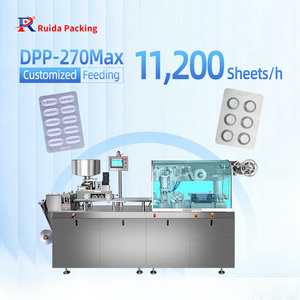
DPP-250 Automatic Flat Plate Alu Alu Tablet Capsule Packaging Machine
Heavy-duty flat-plate forming and sealing system designed for tropical Alu-Alu moisture-barrier packaging of sensitive tablets and capsules.
Get Catalog
Explore expert articles, machinery updates, technical guides, and industry insights from ReformMak.
High-Precision Automated Systems for Solid Dosage, Liquid Vials, and Medical Devices
Heavy-duty flat-plate forming and sealing system designed for tropical Alu-Alu moisture-barrier packaging of sensitive tablets and capsules.
Get Catalog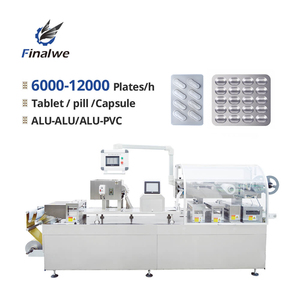
Optimized high-speed production machine with integrated vision inspection, quick tooling changeovers, and continuous motion feeding.
Get Catalog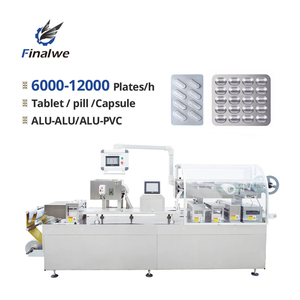
High-capacity rotary sealing equipment delivering up to 27,000 plates per hour, tailored for commercial-scale pharmaceutical batch output.
Get Catalog
Specialized thermoforming solution engineered for protective, eco-friendly blister trays housing sensitive biologics and injectable vials.
Get Catalog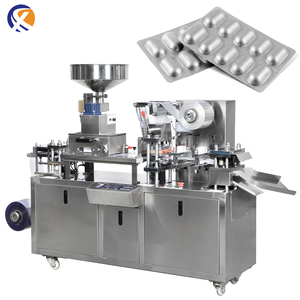
Ultra-compact CE-certified blister packer ideal for pilot-scale R&D, clinical trial manufacturing, and small-batch biotech runs.
Get Catalog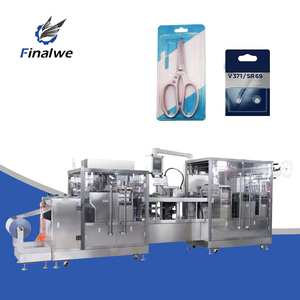
Next-generation packaging technology supporting recyclable paper card backings to comply with stringent environmental mandates.
Get Catalog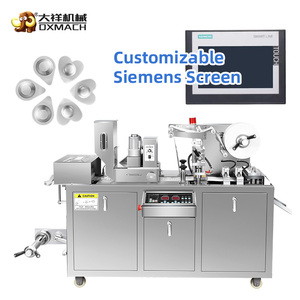
Versatile unit supporting complex pocket geometry, liquids, unit-dose cosmetics, unit-dose oral solids, and custom sample blisters.
Get Catalog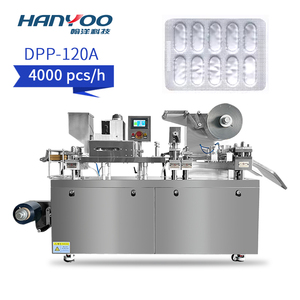
High-precision modular blister packaging unit optimized for rapid changeover between cold-formed aluminum and thermoformed PVC films.
Get CatalogThe Pacific Northwest, anchored by the Greater Seattle metropolitan area, has rapidly expanded into one of North America's premier life science clusters. From the vibrant biotechnology research hubs in South Lake Union and Bothell to contract development and manufacturing organizations (CDMOs) across King and Snohomish counties, the demand for ultra-reliable, compliant, and flexible primary pharmaceutical packaging equipment has reached an all-time high.
Modern pharmaceutical manufacturing demands absolute compliance with US FDA Code of Federal Regulations (21 CFR Part 11 and cGMP standards), zero-defect seal integrity, and moisture protection. Seattle's unique microclimates—characterized by elevated ambient humidity levels during extended coastal rainy seasons—present specific environmental engineering challenges for packaging moisture-sensitive solid oral doses, hygroscopic powders, specialized capsules, and biologic combination devices.
Whether your facility focuses on small-scale clinical trial batches in Woodinville, specialized cell and gene therapy accessories in Redmond, or high-speed commercial tablet packaging in Bothell, selecting the correct blister machine geometry (Flat-Plate vs. Rotary Drum Sealing) determines your operational efficiency, validation speed, and long-term yield.
When engineering a primary blister packaging line for pharmaceutical products destined for global distribution, quality assurance managers must weigh the mechanical and barrier properties of thermoformed thermoplastics against cold-formed aluminum laminates (OPA/Alu/PVC).
Utilizes radiant contact heating plates to soften plastic webs, forming clear cavities via positive air pressure or mechanical plug assists. Offers high product visibility, compact pack size, and cost efficiency for non-hygroscopic tablets.
Employs precision mechanical punches to cold-stretch aluminum laminate foils without heat. Provides a 100% total barrier against light, oxygen, and moisture vapor (WVTR ≈ 0 g/m²/day), essential for highly sensitive APIs.
Combines a thermoformed inner clear PVC blister with an outer cold-formed aluminum pouch protective layer. Gives manufacturers visual clarity during assembly while securing long-term shelf-life stability in humid zones.
Our flat-plate DPP series machines allow dual-capability conversion: operators can swap modular tooling sets within 20 minutes to alternate between thermoforming PVC/ALU and cold-forming ALU/ALU packaging on the exact same base chassis. This versatility drastically reduces capital expenditure for Seattle startups and growing CDMO facilities requiring multi-format production flexibility.
Compare operational characteristics across our flagship models serving the Pacific Northwest region to identify the precise machine footprint, speed, and tooling configuration for your manufacturing suite:
| Model Name | Forming Type | Max Capacity (Plates/h) | Forming Area (mm) | Applicable Materials | Cleanroom Footprint | Target Application |
|---|---|---|---|---|---|---|
| DPP-88 Compact | Flat Plate | Up to 4,800 | 110 x 88 | PVC, ALU, PET, PS | Ultra-Compact (<2 m²) | R&D, Clinical Trials, Bio-Startups |
| DPP-115 Custom | Flat Plate | Up to 8,400 | 110 x 115 | PVC/ALU, ALU/ALU, Paper | Compact (2.5 m²) | Pilot Scale, Unit-Dose Samples |
| DPP-120A Flexible | Flat Plate | Up to 12,000 | 120 x 110 | PVC, PVDC, ALU/ALU | Standard (3.0 m²) | Small-to-Medium CDMO Production |
| DPP-250 Commercial | Flat Plate | Up to 24,000 | 250 x 150 | ALU/ALU, PVC/PVDC/ALU | Industrial (4.2 m²) | High-Barrier Solid Dosage Packaging |
| DPH-260 Rotary | Rotary Sealing | Up to 27,000 | 260 x 180 | PVC/ALU High Speed | Industrial (4.8 m²) | High-Throughput Commercial Pharma |
| Eco Paper-Plastic | Hybrid Plate | Up to 15,000 | 200 x 140 | Cardboard, Recyclable PET | Medium (3.5 m²) | Sustainable OTC & Device Packaging |
The pharmaceutical landscape in Washington State and the broader Pacific Northwest is undergoing significant operational transformations driven by technological advancements, regulatory updates, and sustainability mandates:
Seattle biotechs increasingly rely on agile CDMO partners capable of switching rapidly between small clinical study batches and commercial launches. Our blister machines feature toolless quick-change mold clamping, enabling full line changeover in under 30 minutes to reduce downtime between product campaigns.
With Washington State pushing strict sustainability targets, pharmaceutical manufacturers are seeking alternatives to non-recyclable PVC. Our machines are retrofitted for mono-material PET, PP, and paper-board blister card sealing, positioning local producers ahead of eco-packaging regulations.
Integration of real-time vision inspection (camera systems verifying tablet color, chip defects, and missing doses), along with audit-trail data logging, ensures compliance with stringent FDA electronic data integrity requirements enforced across US manufacturing operations.
As a global pioneer in pharmaceutical form-fill-seal engineering with over two decades of experience, we bring unmatched reliability, technical precision, and dedicated customer support to pharmaceutical suppliers across the Pacific Northwest:
Our blister packaging systems are built with isolated, precision-controlled pre-heating plates and sealed forming stations. When running Alu-Alu (cold-formed foil), the material provides an absolute zero-transmission barrier against ambient moisture vapor. Furthermore, optional positive-pressure cleanroom enclosure hoods and integrated inline humidity monitoring sensors ensure consistent sealing ambient conditions despite Pacific Northwest weather fluctuations.
We provide a comprehensive cGMP validation package with every machine. This includes Installation Qualification (IQ), Operational Qualification (OQ), and Performance Qualification (PQ) execution protocols, material certificates (316L stainless steel contact parts, FDA-grade silicone seals), wiring schematics, and 21 CFR Part 11 compliance documentation for electronic records and signatures.
Yes! Our DPP series flat-plate blister machines are engineered for dual functionality. By changing the dedicated tooling set (forming die, feeding guide, sealing plate, and punch die), operators can switch between thermoforming PVC/PVDC and cold-forming Alu-Alu within 20 to 30 minutes, without requiring specialized tools.
We integrate advanced color HD vision camera systems capable of inspecting 100% of filled pockets at maximum machine speed. The vision system automatically detects missing pills, broken or chipped tablets, color variations, foreign particles, and incorrect capsule orientations, immediately triggering an automatic blow-off reject station downstream without stopping the main line.
Standard models (such as DPP-88 and DPP-120A) are typically ready for shipping within 30 days following FAT sign-off. Custom engineered lines take approximately 45–60 days. We provide complete technical assistance, remote live commissioning, and on-site field support across the Greater Seattle area, including Bothell, South Lake Union, Redmond, and Tacoma.
Absolutely. Beyond solid oral dosage forms (tablets, caplets, softgels), our deep-draw thermoforming models can create custom-formed trays designed for injectable vials, syringes, ampoules, diagnostic test kits, and medical device accessories, equipped with auto-loading robotic pick-and-place units.