
Explore expert articles, machinery updates, technical guides, and industry insights from ReformMak.
Explore our engineered range of high-precision cosmetic lotion filling, sachet stick packing, and automated cartoning solutions designed for low to high viscosity emulsions.
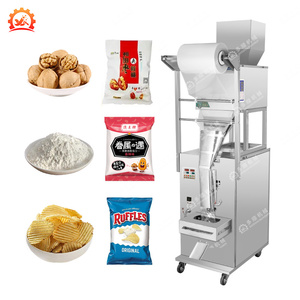
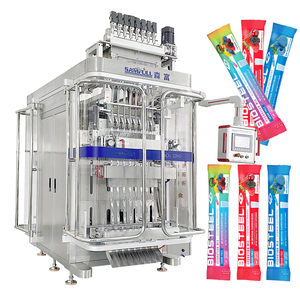
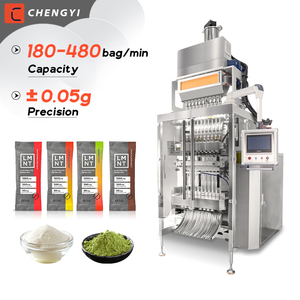
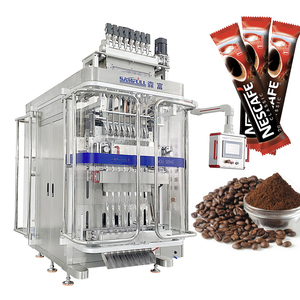
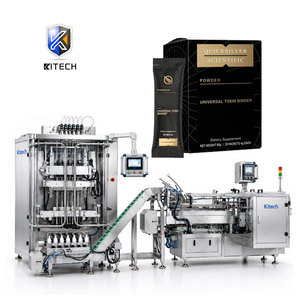
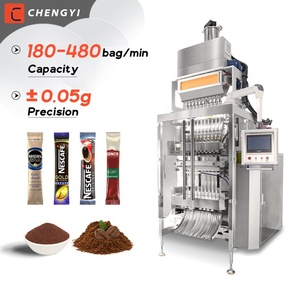
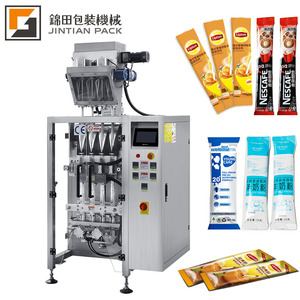
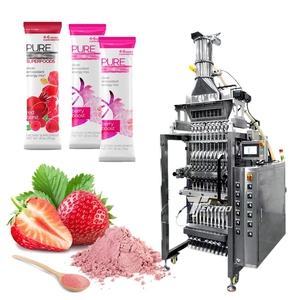
Leveraging over two decades of mechanical precision, international compliance, and turnkey automation for high-volume cosmetic manufacturers worldwide.
Every cosmetic filling machine complies strictly with ISO 9001:2015 standards and European CE directive safety norms, featuring full cGMP-grade SS316L stainless steel contact parts for pristine hygienic operations.
Backed by 20+ years of dedicated machinery R&D, our engineering teams possess specialized knowledge in managing complex fluid dynamics, high-viscosity shear behaviors, and zero-drip nozzle design.
With verified packaging lines operating in over 60 countries across Europe, North America, the Middle East, and Southeast Asia, we supply turnkey logistics, remote tech diagnostics, and international installation teams.
We deliver bespoke line customization—matching unique bottle geometries, pump caps, viscosity parameters, and space footprints with modular plug-and-play expansions.
Integrated With Premier Global Component Suppliers
An authoritative analysis of mechanical, electrical, and chemical engineering innovations reshaping beauty product manufacturing.
Traditional pneumatic-driven filling pistons are rapidly being replaced by multi-axis servo-driven rotary piston systems. Servo technology allows real-time programmable acceleration, deceleration, and displacement profiling. This enables precision dosage (±0.15g accuracy) even under varying cream densities and prevents micro-aeration or shear damage in delicate botanical emulsions.
Cosmetic formulations containing organic active ingredients demand sterile cleaning protocols. Modern equipment incorporates fully automated Clean-in-Place (CIP) and Sterilize-in-Place (SIP) circuits. Utilizing electropolished SS316L manifolds, zero-dead-leg valves, and automated spray balls, lines can achieve 100% bacterial sanitization in under 30 minutes without manual dismantling.
Advanced cosmetic lines integrate inline dynamic viscosity sensors directly upstream of the filling block. Through closed-loop feedback algorithms, the machine automatically adjusts valve orifice timing and piston pressure profiles to compensate for temperature-induced batch viscosity fluctuations, ensuring flawless filling uniformity across 24/7 continuous production runs.
With clean-beauty formulations reducing synthetic preservatives, oxidation prevention has become crucial. State-of-the-art filling stations embed inert gas (Nitrogen/Argon) purge nozzles prior to liquid deposition and immediately before capping. This reduces headspace residual oxygen levels to less than 0.5%, vastly extending product shelf life.
To support contract manufacturers running small batch sizes and multiple SKUs daily, modern filling lines incorporate magnetic toolless changeover assemblies and digital position indicators. Format changeover times for changing container size or lotion pump dimensions have been slashed from 2 hours down to under 15 minutes.
Quality assurance is automated via high-speed machine vision cameras. Integrated visual sensors inspect fill-line levels, cap torque seating, batch code clarity, and label alignment in real time, automatically rejecting defective containers via pneumatic pushers without interrupting line velocity.
Key strategic shifts executive buyers and EPC procurement managers must evaluate when investing in capital equipment.
Global consumer demand is pivoting away from single-use rigid plastics toward refillable pouches, mono-material PE/PP sachets, PCR (Post-Consumer Recycled) resin bottles, and lightweight glass containers. Forward-thinking buyers are prioritizing filling machinery capable of handling flexible pouch formats and fragile glass substrates without requiring complete machine overhauls.
Enterprise cosmetic procurement teams are shifting focus from initial machinery CAPEX to long-term TCO. Key metrics include energy consumption per 1,000 units filled, maintenance frequency, wear-and-tear component availability, and spare part interchangeability. Opting for machinery equipped with standard global brands (e.g., Siemens PLC, Festo pneumatics) dramatically reduces long-term operational costs.
With beauty trends driven by viral social media cycles, cosmetic brands require shorter production runs and rapid SKU pivoting. Multi-functional filling machines that handle diverse formulations—ranging from water-thin facial toners to heavy body butter creams—on a single modular platform are experiencing unprecedented procurement growth.
Expert technical answers to critical engineering, operational, and commercial questions asked by cosmetic plant managers.
Compare performance parameters across our primary cosmetic liquid and cream filling machine categories.
| Machine Series | Filling Mechanism | Speed Capacity | Viscosity Range | Accuracy | Action |
|---|---|---|---|---|---|
| Linear Servo Piston Filler | Multi-Axis Servo Rotary Piston | 40 - 120 bpm | 500 - 100,000 cps | ±0.2% | Get Catalog |
| Multi-Lane Sachet Filler | Volumetric / Peristaltic Pump | 200 - 450 ppm | 1 - 20,000 cps | ±0.5% | Get Catalog |
| Rotary Monoblock Filling-Capping | Peristaltic / Ceramic Piston | 30 - 80 bpm | 1 - 10,000 cps | ±0.3% | Get Catalog |
| Integrated Cartoning Line | Continuous Mechanical Arm | Up to 150 cpm | N/A (Carton packaging) | 100% Verified | Get Catalog |
Consult directly with our senior packaging automation engineers. Receive custom technical layouts, detailed equipment quotes, and factory direct pricing within 24 hours.