
Explore expert articles, machinery updates, technical guides, and industry insights from ReformMak.
Explore top-tier dosage filling, multi-track stickpack, sachet packing, and softgel downstream cartoning solutions engineered for high throughput and strict cGMP compliance.
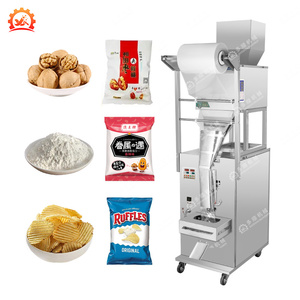
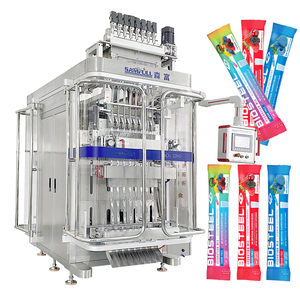
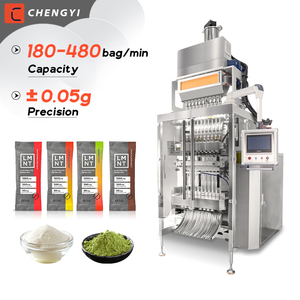
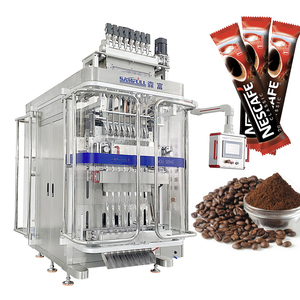
The global pharmaceutical and nutraceutical manufacturing sector is experiencing an unprecedented surge in demand for softgel encapsulation systems. Soft gelatin capsules (softgels) offer superior bioavailability, hermetic sealing for oxygen-sensitive active pharmaceutical ingredients (APIs), and excellent consumer compliance for liquid, suspension, and paste formulations. However, achieving zero-defect production at linear die speeds exceeding 5 RPM requires deep engineering expertise in rotary die machinery, micro-metering medicine pumps, precise gelatin ribbon thickness control, and controlled thermal drying dynamics.
This technical whitepaper provides a rigorous evaluation of the Top 10 Softgel Encapsulation Machine Suppliers & Exporters worldwide. Designed for engineering directors, procurement officers, and cGMP site leaders, this guide explores state-of-the-art machinery architecture, evaluates OEM performance metrics, analyzes future technological shifts (such as non-animal plant-based starch encapsulation), and outlines critical supplier audit benchmarks.
To evaluate equipment suppliers objectively, one must master the four core subsystems that dictate softgel manufacturing success:
The process begins in thermal-jacketed reactors where raw gelatin (bovine, porcine, or HPMC/tapioca starch) is vacuum-hydrated with plasticizers (glycerin, sorbitol) at controlled temperatures. The molten gel mass is fed into chilled spreader drums via precision spreader boxes to form two continuous ribbons with micro-level thickness consistency (typically 0.025" to 0.035").
At the encapsulation point, a high-precision plunger pump injects exact liquid, oil, or suspension volumes through a brass injection wedge. The timing between pump plunger displacement and die pocket alignment must be synchronized within milliseconds to prevent seam pinching or under-filling.
Rotary die rollers compress the twin gel ribbons, cutting individual capsule pockets while thermal energy from the injection wedge (heated to 37°C–42°C) welds the upper and lower gelatin seams under mechanical pressure. Precision alignment of die pockets prevents uneven seam thickness.
Freshly formed softgels contain approximately 30%–40% moisture in the shell. They are immediately transferred via air conveyor to multi-stage tumble dryers where low-humidity air (15%–20% RH) gently removes water until the shell reaches ideal equilibrium hardness (10–12 SH / 2%–5% residual moisture).
The table below presents a comparative technological assessment of leading international machine builders based on engineering parameters, automation sophistication, compliance certifications, and global export footprint.
| Supplier Name | Origin | Die Speed / Capacity | Plant-Based (Veg-Gel) Support | Automation Level | cGMP & 21 CFR 11 Compliance |
|---|---|---|---|---|---|
| ReformMak / AutoAce Engineering | Turkey / EU | High (Up to 8 RPM Servo Driven) | Full Compatibility | Siemens / PLC Touchscreen IoT | ISO 9001, CE, cGMP Validated |
| Changsung Softgel System | South Korea | High (Rotary 6-8 RPM) | Advanced | Integrated HMI / Servo Control | cGMP, FDA Approved |
| Technophar Equipment | Canada | Medium - High | Optional Upgrade | PLC Controlled Systems | cGMP, CE Standard |
| Pharmagel Engineering | Italy | High Precision Low-Med Speed | Standard Gelatin Focus | Advanced Thermal Monitoring | EU Annex 11, cGMP |
| SKY Softgel Co., Ltd. | South Korea | High Output Multi-Lane | Full Compatibility | Full Servo Digital Control | cGMP, CE, ISO 14001 |
| Bochang Co., Ltd. | South Korea | Medium - High | Supported | PLC Automated Systems | cGMP, CE |
| Kamata Machine Manufacturing | Japan | Ultra-High Micro-Accuracy | Custom Starch Line | Custom Japanese Robotics | PMDA, cGMP |
| SaintyCo Machinery | China | Standard - High Speed | Optional | Touchscreen PLC System | CE, ISO, cGMP |
| Jangsong High-Tech | South Korea | High Speed Industrial | Advanced | Automated Ribbon Monitoring | cGMP, CE |
| Softgel Technologies Corp | USA | Custom Scale / Pilot to High | Supported | SCADA / 21 CFR Part 11 | US FDA cGMP Compliant |
As regulatory agencies increase scrutiny on raw material traceability and consumer preferences shift toward vegan dietary supplements, softgel machine technology is undergoing a rapid evolution. Buyers must evaluate equipment based on four major technology vectors:
Traditional animal-derived gelatin (bovine/porcine) melts cleanly at 37°C–40°C. In contrast, plant-based carrageenan and modified tapioca starches require higher wedge temperatures (up to 60°C–70°C) and greater pressure synchronization across the die rolls. Next-generation softgel machines incorporate specialized heating wedges with micro-channel heating elements and reinforced spreader box heating zones specifically engineered to process high-viscosity vegetable mass without thermal degradation.
Historically, organic solvents (such as naphtha or isopropyl alcohol) were required to wash petroleum-based lubricant oils from fresh softgels prior to drying. Modern premium softgel machines utilize food-grade vegetable oils (MCT oil) combined with air-blade micro-dosing lubrication systems that reduce oil consumption by over 70%, eliminating post-encapsulation solvent washing entirely and lowering environmental footprint.
Integrating high-resolution optical camera arrays along the discharge chute allows AI algorithms to measure capsule shape, check fill volume optical density, and inspect seam uniformity at full line speed (100,000+ capsules/hour). Non-compliant capsules are automatically ejected via high-speed pneumatic blowers before entering the tumble dryer, eliminating cross-batch contamination.
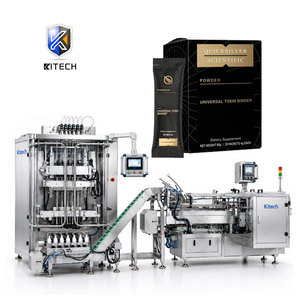
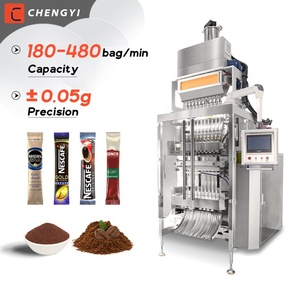
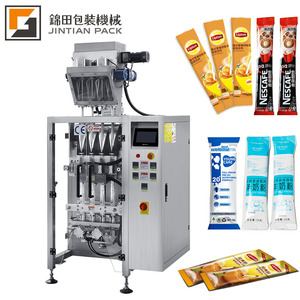
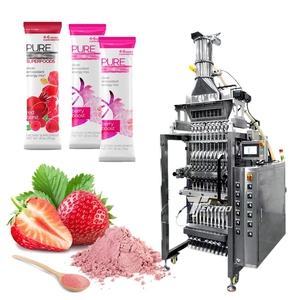
Pharmaceutical factories are increasingly replacing isolated machinery islands with fully continuous production lines. Softgels exiting the drying room pass directly to automated inspection units, cartoners, or high-speed multi-lane stickpack and sachet packaging machines (such as our multilane VFFS systems showcase above) for unit-dose blister or sachet containment under humidity-controlled environments.
Building on over two decades of precision manufacturing excellence, our industrial equipment platform delivers unmatched reliability and custom engineering tailored to strict global standards.
Every softgel encapsulation unit and downstream packaging machine undergoes rigorous factory validation, meeting stringent ISO quality management protocols and European CE safety directives for seamless regulatory clearance.
Two decades of continuous mechanical refinement have resulted in zero-leak wedge designs, ultra-precise plunger pump tolerances (±0.5%), and hardened alloy die tooling engineered for decades of continuous 24/7 industrial duty.
With machinery operating in top pharmaceutical hubs across Europe, Asia-Pacific, North America, the Middle East, and Africa, our international project engineering team manages full logistics, installation, and site acceptance testing (SAT).
Whether processing delicate pharmaceutical suspensions, high-viscosity oil fills, or non-gelatin vegan formulas, our engineering team custom-configures die pocket geometry, wedge heating, and feed hopper agitation to your exact formulation specs.
We maintain comprehensive spare parts inventories and offer remote IoT diagnostic capabilities alongside fast-response field service technicians to ensure uninterrupted production uptime for your facility.
Beyond softgel forming, we supply complete turnkey lines including continuous multi-stage tumble dryers, gelatin melting reactors, automated cartoning units, and multi-lane sachet packaging machinery for complete line harmony.
Below are detailed responses to the most critical technical questions raised by pharmaceutical procurement officers and validation managers during equipment audits:
Partner with an ISO & CE certified engineering team to optimize your softgel encapsulation and solid dose packaging facilities. Contact our global engineering specialists today for customized layout designs, tooling quotes, and FAT scheduling.
Get Catalog