
Explore expert articles, machinery updates, technical guides, and industry insights from ReformMak.
Explore our specialized automated stick pack, sachet, and flexible container filling solutions built with servo-driven precision, sanitary stainless steel architecture, and real-time PLC automation.
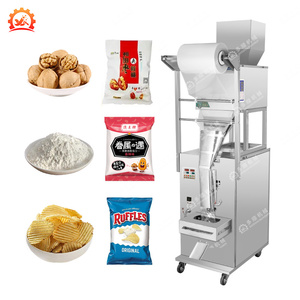
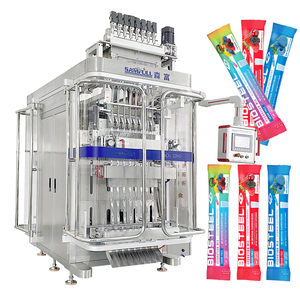
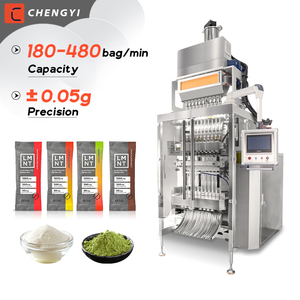
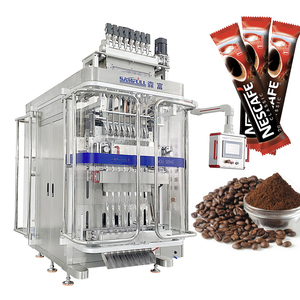
In modern B2B manufacturing across food processing, beverage production, chemical compounding, and pharmaceuticals, packaging efficiency directly dictates operational margins. Bag In Box (BIB) filling technology—coupled with high-speed multi-lane vertical form-fill-seal (VFFS) systems—represents the pinnacle of bulk liquid, viscous fluid, and micro-powder containment. As global supply chains demand extended shelf life, reduced carbon footprints, and total aseptic integrity, custom OEM/ODM packaging machinery suppliers must engineer systems that bridge mechanical precision with Industry 4.0 connectivity.
An automatic Bag In Box (BIB) filling system functions by seamlessly managing container decapping, air evacuation (vacuuming), high-accuracy metering/dosing, aseptic liquid injection, nitrogen capping, and automatic recapping within a sterile enclosed tunnel. When scaling from single-spout semi-automatic units to fully automated multi-lane production lines, mechanical tolerances must remain within sub-millimeter thresholds to prevent seal degradation or product oxidation.
The core challenge in engineering OEM/ODM Bag In Box liquid packaging machines lies in fluid dynamics management—specifically handling Newtonian fluids (like mineral water, juices, and wine) alongside non-Newtonian, high-viscosity fluids (such as edible oils, liquid egg, ketchup, industrial syrups, and bio-pharmaceutical concentrates). Premium filling machines incorporate specialized peristaltic pumps, volumetric piston fillers, or mass flow meters engineered with 316L stainless steel contact points to prevent cross-contamination and bio-film accumulation.
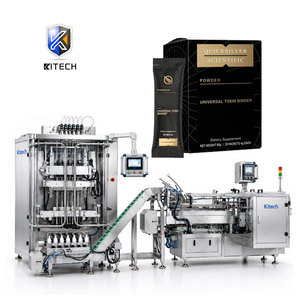
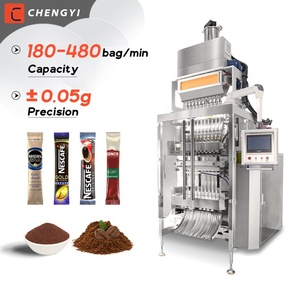
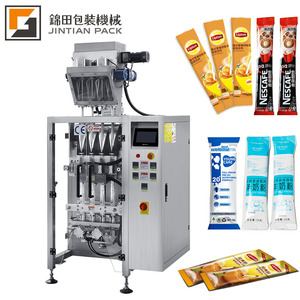
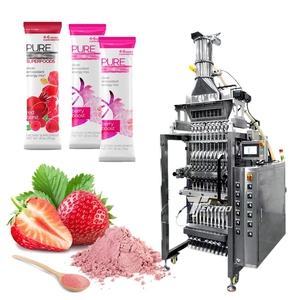
Furthermore, for multi-lane stick packaging machines (handling 2 to 8 tracks of fine powders, electrolytes, or instant coffee), master metering shafts driven by independent Siemens servo motors ensure that each individual lane dispenses precise milligram payloads without thermal buildup or moisture clumping.
To assist procurement directors and plant engineers in specifying the correct OEM machine configuration, the matrix below details key performance indicators across machine archetypes:
| Performance Indicator | Fully Automatic Aseptic BIB Line | Multi-Lane VFFS Powder Line | Standard Semi-Auto BIB Filler |
|---|---|---|---|
| Dosing Technology | Mag-Flowmeter / Mass Flowmeter | Multi-Track Servo Auger Filler | Volumetric Piston / Time-Gravity |
| Filling Capacity Range | 2 Liters to 25 Liters | 1 Gram to 50 Grams | 3 Liters to 20 Liters |
| Production Throughput | 300 – 900 bags / hour | 160 – 600 sticks / minute | 100 – 250 bags / hour |
| Sterilization Standard | Steam CIP/SIP + H2O2 + UV Tunnel | HEPA Air Laminar Flow Chamber | Manual Alcohol Washdown |
| Residual Oxygen Target | < 0.5% (Nitrogen Injection) | < 1.5% (Gas Flushing) | < 3.0% |
| Automation Level | Full Auto (Decap, Fill, Cap, Box) | Full Auto (Form, Fill, Seal, Carton) | Semi-Auto (Manual Gland Feed) |
As global packaging regulations tighten around sustainability and carbon auditing, industrial buyers must align equipment procurement with emerging technological shifts over the next decade.
Global demand is rapidly moving away from multi-layer aluminum laminates toward 100% recyclable PE/EVOH mono-material pouches. Modern OEM BIB machinery must feature precision low-temperature impulse sealing heads to handle delicate, recyclable films without burn-through.
Modern B2B buyers now mandate OPC-UA protocol integration, enabling central ERP connectivity. Real-time telemetry tracks valve wear, temperature fluctuations, and weight distribution, preventing unscheduled downtime via predictive AI analytics.
Eliminating chemical preservatives requires sterile filling environments. The latest automatic BIB suppliers incorporate sterile air overpressure, pulsed light cap decontamination, and closed-loop inline SIP (Sterilization-in-Place) systems operating up to 135°C.
Flexible contract packaging plants require rapid changeovers between bag sizes (e.g., from 3L family wine pouches to 20L commercial food service bags). Toolless changeover mechanisms reduce line downtime from hours to under 15 minutes.
Backing global packaging operations with rigorous quality standards, precision Turkish & international engineering, and responsive international technical service.
Every bag-in-box and multilane machine strictly adheres to ISO 9001:2015 quality management systems and CE Directive safety compliance for export to EU, Americas, and worldwide markets.
Over two decades of dedicated mechanical innovation, fluid control optimization, and custom ODM machinery development for tier-1 food and pharmaceutical processors.
Engineered machines successfully installed and commissioned across 60+ countries, backed by multilingual technical teams, remote diagnostics, and rapid spare parts dispatch.
From custom gland dimensions and specialized pouch geometries to multi-stage secondary cartoning integration, our R&D engineering team designs turnkey lines tailored to exact factory blueprints.
Detailed technical and commercial answers addressing common engineering queries during the Bag In Box & Multi-Lane filler procurement process.
Our automatic BIB filling machines are engineered to handle a broad range of flexible bag volumes ranging from 2 Liters up to 25 Liters (as well as 220L aseptic drum bags on specialized lines). The clamping and decapping assembly can be configured for standard Vitop taps, Elspo glands, push-pull caps, and screw spouts via rapid-interchangeable gripping jaws.
To guarantee minimal residual dissolved oxygen, our aseptic BIB lines utilize a 3-step atmospheric barrier process: 1) Automated vacuum evacuation of the empty bag before filling, 2) Precise liquid metering under positive sterile pressure, and 3) Controlled nitrogen gas purging into the head space prior to automated capping, keeping residual oxygen levels strictly below 0.5%.
Yes. By specifying dual-dosing configurations—combining electromagnetic mass flowmeters for water-like liquids and positive displacement rotary lobe/piston pumps for thick products—the machine dynamically adjusts pump speed and valve cutoff timing via the HMI interface to accommodate viscosities from 1 cP up to 50,000 cP.
Our machines are fully compatible with automated Clean-In-Place (CIP) and Sterilization-In-Place (SIP) systems. All fluid conduits are constructed from mirror-polished 316L stainless steel (Ra < 0.4 μm) with zero dead-leg zones, capable of withstanding caustic wash solution circulating up to 85°C and saturated steam sterilization up to 135°C.
Standard model packaging machines are dispatched within 30 to 45 business days. Fully customized OEM/ODM turnkey production lines—including custom bag feeders, robotic carton packers, and specialized aseptic tunnels—typically undergo factory testing and export dispatch within 60 to 90 days following final CAD layout sign-off.
Every exported machine is covered by a 12-month complete structural and electrical warranty. We provide on-site international installation, commissioning, and operator training by senior field service engineers. Additionally, integrated VPN hardware allows our factory software engineers to perform remote diagnostic support 24/7.