Knowledge Center

Roll Forming Technical Blog & Industry News

Explore expert articles, machinery updates, technical guides, and industry insights from ReformMak.

Custom OEM Vacuum Pouch Packaging Machine Manufacturers & Supplier

Engineering High-Barrier Hermetic Sealing, Automated Gas Flushing (MAP), and Industrial Reliability for Global Enterprise Procurement

Featured OEM Vacuum Pouch Packaging Solutions

High-precision standard and customized vacuum packaging equipment tailored for food, chemical, pharmaceutical, and cleanroom lithium battery applications.
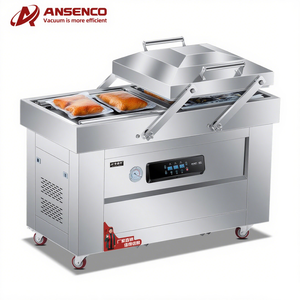
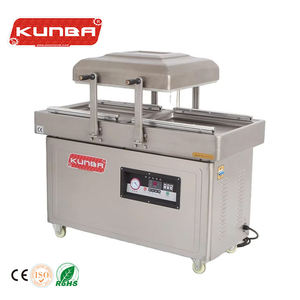
Large Automatic Multifunctional Food Double-chamber Vacuum Filling Wrapping Sealing Machine

Large Automatic Food Double-Chamber Vacuum Packaging Machine

  • Dual heavy-duty vacuum chambers
  • Heavy food & chemical liquid sealing
  • Busch 100m³/h rotary vacuum pump
  • Residual Oxygen ≤ 0.1%
Get Catalog
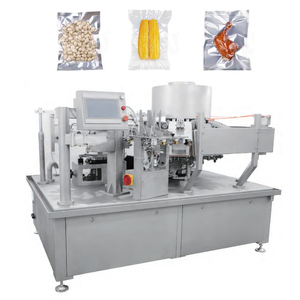
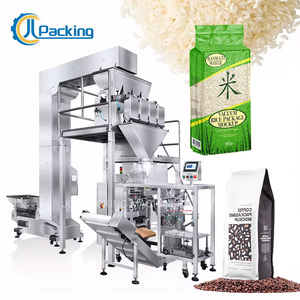
Doypack Pouch Bag Feeding Packaging Machine Roasted Coffee Bean Rice Auto Servo Vacuum Machine

Doypack Premade Bag Servo Vacuum Fill-Seal Packaging System

  • Automated rotary pouch feeder
  • Integrated nitrogen gas flushing (MAP)
  • Ideal for coffee beans, rice & snacks
  • Siemens PLC & HMI touchscreen
Get Catalog
Multihead Weigher Vacuum Rotary Packaging Machine Dried Fruit Premade Bag Pouch Pack Machine

Multihead Weigher Rotary Vacuum Packaging Line for Dried Fruits

  • 10/14 Head combination weigher
  • High-speed rotary pouch indexing
  • Dust-proof & waterproof design
  • Speed: up to 45-60 pouches/min
Get Catalog
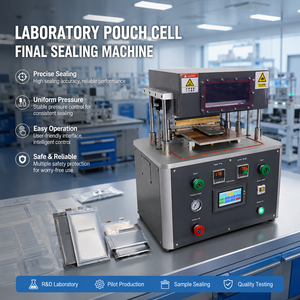
Lithium Pouch Battery Vacuum Heating Final Sealing Machine Secondary Sealing Machine For Lab

Precision Lithium Pouch Battery Vacuum Heating Secondary Sealing Machine

  • Lab & industrial battery cell assembly
  • High-vacuum heating diffusion
  • Pneumatic temperature-controlled jaws
  • Cleanroom ISO Class 5 compatible
Get Catalog
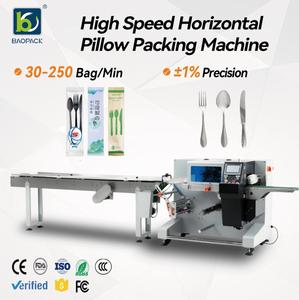
Fully Automatic Horizontal Flow Vacuum Pouch Bags Paper Food Packing Machine

Fully Automatic Horizontal Flow Vacuum Pouch Packaging Line

  • Continuous horizontal belt infeed
  • Compatible with paper/PE laminated pouches
  • Impulse heat-sealing architecture
  • Ideal for bakery, cheese & processed meats
Get Catalog
DZ-400 Meat Bulk Discount Vertical Packing Pack Bag Stainless Steel Vacuum Sealing Packaging Machine

DZ-400 Industrial Stainless Steel Vertical Meat Vacuum Pack Machine

  • Full SUS304 food-grade chassis
  • Deep chamber for bulky meat blocks
  • Digital microcomputer control panel
  • High-efficiency oil mist separator
Get Catalog
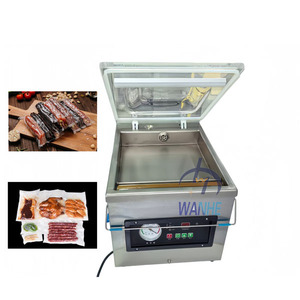
DZ-260C Electric Single Chamber Automatic Table Top Vacuum Packaging Machine

DZ-260C Compact Tabletop Automatic Chamber Vacuum Sealer

  • Compact footprint for pilot production
  • Transparent acrylic dome cover
  • Precision electronic timing control
  • Low noise, energy-efficient pump
Get Catalog
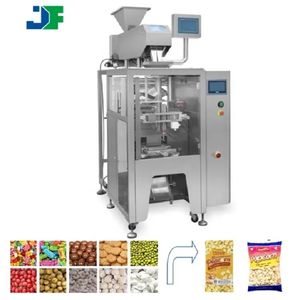
90-day Window Period Automatic Vertical Beans Seeds Rice Granule Nuts Pouch Packaging Vacuum Machine

Vertical Bulk Granule & Seed Vacuum Counting Packaging Machine

  • Automated optical counting system
  • Shaped brick-pouch vacuum forming
  • Extended 90-day window preservation
  • Ideal for grain seeds, rice & nuts
Get Catalog
20+
Years Machinery Engineering
60+
Exporting Countries
500+
Global Factory Lines Installed
100%
ISO 9001 & CE Certified

Industrial Vacuum Packaging Technology: Engineering Whitepaper

An authoritative analysis of thermodynamic evacuation, thermal impulse sealing, barrier pouch dynamics, and Modified Atmosphere Packaging (MAP) for procurement directors.

In modern industrial manufacturing—spanning food processing, pharmaceutical production, specialty chemicals, and advanced lithium battery cell fabrication—the vacuum pouch packaging machine acts as a critical line defense against oxidative degradation, moisture ingress, microbial contamination, and physical degradation. As a global OEM/ODM equipment manufacturer, our engineering methodology focuses on maximizing atmospheric evacuation rates while maintaining absolute hermetic seal integrity under high-duty cycle continuous operation.

Information Gain Insight: Vacuum packaging efficiency is not merely determined by pump displacement capacity (m³/h), but by the synergy between deep atmospheric evacuating dynamics (-0.098 MPa down to -0.1 MPa absolute pressure), thermal mass transfer during sealing, and precise cooling cycles under controlled jaw pressure.

1. Evacuation Thermodynamics & Pump System Engineering

Standard commercial vacuum sealers frequently fail in demanding industrial environments due to pump cavitation, thermal overload, and inadequate evacuation speeds. Our engineered vacuum pouch packing platforms integrate premium heavy-duty rotary vane vacuum pumps (such as Busch or Becker series) optimized for low ultimate pressures and high vapor tolerance.

During the evacuation phase, ambient air inside the preformed pouch (typically constructed from PA/PE, PET/AL/PE, or high-barrier EVOH laminates) is systematically extracted until residual oxygen levels drop below 0.1% to 0.5%. For oxygen-sensitive products—such as roasted coffee beans, milk powders, or processed cured meats—this dramatic reduction suppresses lipid oxidation and aerobic microbial growth, extending shelf life by 300% to 500% compared to atmospheric packing.

2. Hermetic Sealing Physics & Thermal Control

The integrity of a vacuum pouch is strictly defined by its thermal weld boundary. Defective micro-leaks or channel leaks lead to catastrophic loss of internal pressure over time. Our custom OEM machines utilize pneumatic-driven sealing bars equipped with impulse heating wires and water-cooled thermal backing plates:

  • Impulse Sealing Mechanics: High-amperage electrical pulses rapidly heat the NiCr alloy seal ribbon to accurate melting temperatures (typically 140°C–220°C depending on pouch material thickness) for a precise duration (0.8s to 2.5s).
  • Controlled Cooling Under Pressure: Unlike low-end thermal continuous sealers, our systems hold sealing jaw pressure during the cooling phase. This allows the polymer chains (e.g., LLDPE inner sealant layers) to recrystallize under mechanical compression, ensuring maximum tensile seal strength exceeding 35 N/15mm.
  • Gas Flushing (MAP) Synergies: When packaging fragile items (e.g., potato chips, dried fruits, or delicate electronic modules), our integrated Modified Atmosphere Packaging systems inject food-grade Nitrogen (N2) or Carbon Dioxide (CO2) immediately after vacuum evacuation to prevent product crushing while maintaining zero-oxygen headspace.

Vacuum Packaging Architecture Benchmark Matrix

Comparative technical analysis of industrial pouch vacuum equipment configurations to assist B2B procurement decision-making.

Machine Architecture Vacuum Level (Max) Throughput Speed Optimal Pouch Types Automation Index Target Applications
Double Chamber Vacuum Machine -0.0995 MPa 2 - 6 cycles/min Heavy Duty PA/PE, Aluminum Film Semi-Automatic Bulk Meats, Cheese Blocks, Raw Seafood, Chemical Powders
Rotary Premade Bag Machine -0.098 MPa 30 - 60 bags/min Stand-up Doypack, Zipper Pouches Fully Automatic Roasted Coffee, Nuts, Pet Food, Prepared Sauces
Vertical VFFS Vacuum Sealer -0.095 MPa 15 - 35 bags/min Pillow Pouch, Gusseted Brick Bags Fully Automatic Rice, Grain Seeds, Agricultural Seeds, Granules
Lithium Secondary Vacuum Sealer -0.0999 MPa 8 - 15 cells/min Aluminum Laminated Battery Film High-Precision OEM EV Pouch Batteries, Energy Storage Cells, Lab R&D
Horizontal Flow Vacuum Line -0.096 MPa 20 - 45 packs/min Thermoforming Film, Paper/Poly Pouch Fully Automatic Bakery, Medical Devices, Sliced Deli Meats

Custom OEM Engineering Capabilities

How our R&D center tailors bespoke vacuum packaging machinery to complex enterprise production requirements.

Bespoke Mechanical Adaptation

We modify vacuum chamber dimensions, sealing bar layouts (L-shape, dual-line, four-bar), and infeed systems to accommodate unique product geometry, heavy payloads, or extra-wide pouch formats.

Tier-1 Component Standard

Equipped exclusively with world-leading industrial components: Siemens PLC controllers, Omron temperature modules, Schneider electrical switchgear, ABB motors, and Bosch Rexroth pneumatic valves.

Sanitary IP65 / SUS316L Design

Engineered for stringent food and pharma environments. Features continuous laser welding, heavy-duty stainless steel frames, sloped washdown surfaces, and complete isolation of electric components.

Future Procurement & Technological Trends (2025–2030)

Strategic foresight for plant managers and purchasing executive navigating automation, sustainability, and smart manufacturing standards.

1. Transition to Monomaterial Recyclable Films

Global environmental legislation is forcing a transition from traditional non-recyclable multi-layer laminates (e.g., PET/AL/PE) to monomaterial recyclable polymers (such as pure PE/PE or PP/PP structures). These sustainable films possess a significantly narrower melting temperature window. Future packaging machinery must incorporate high-precision digital impulse temperature controls with real-time feedback loops to prevent burning or weak seal welds.

2. Smart IoT Diagnostics & Non-Destructive Leak Detection

Industry 4.0 integration is converting standalone vacuum sealers into intelligent data nodes. Smart sensors continuous log chamber evacuation curves, peak seal pressure, and heating energy. Integrated acoustic wave and pressure-decay monitoring algorithms perform 100% inline non-destructive seal inspection, automatically rejecting micro-leaking pouches without interrupting production throughput.

3. Robotics Integration & Automated Pouch Loading

To eliminate manual labor dependencies and prevent human-induced hygiene contamination, modern enterprise lines are adopting vision-guided Delta or SCARA pick-and-place robots. These robotic arms automatically pick pre-filled pouches from conveyor lines, orient the open pouch mouths, and position them onto moving vacuum chamber beds with millimeter precision.

4. Energy Efficiency & Variable Frequency Vacuum Pumps

With rising industrial electricity tariffs globally, machinery efficiency is a dominant operational expenditure (OPEX) metric. Next-generation packaging machines incorporate Variable Frequency Drives (VFD) on rotary vane pumps, reducing idle power consumption by up to 40% when chambers are loading or during line pauses.

Frequently Asked Questions (FAQ) for Equipment Procurement

Technical clarity on vacuum packaging machinery selection, customization options, and global compliance standards.

Q1: How do I determine whether my application requires a chamber vacuum sealer or an external suction sealer?
Chamber vacuum sealers evacuate air from the entire sealed environment, maintaining identical pressure inside and outside the pouch. This allows them to effectively pack powders, liquids, and delicate food items without sucking fluid into the pump. External suction sealers rely on the pouch walls collapsing directly and are restricted to textured bags and solid dry products. For industrial applications, chamber systems deliver vastly superior vacuum levels (-0.099 MPa vs -0.08 MPa).
Q2: What is the typical life expectancy of vacuum pump oil and sealing strips under multi-shift operation?
Under continuous 2-shift daily operation, high-grade synthetic vacuum pump oil should be replaced every 500 to 1,000 operational hours, depending on moisture exposure. Sealing ribbons and PTFE (Teflon) protective tape are wear parts typically replaced every 100,000 to 300,000 sealing cycles. Our quick-release sealing bar designs allow replacement in under 3 minutes without special tools.
Q3: Can your machines handle high-barrier aluminum foil pouches used in battery or pharmaceutical packaging?
Yes. Thick aluminum foil laminates (e.g., PET/AL/NY/PE or battery pouch cell films exceeding 150 microns thickness) require high-pressure thermal impulse sealing bars with dual-sided heating capability. Our custom OEM lines incorporate heavy-duty pneumatic cylinders delivering up to 0.6–0.8 MPa jaw pressure alongside precise digital phase-angle voltage heating controllers.
Q4: How does Modified Atmosphere Packaging (MAP) gas flushing prevent product crushing?
After the vacuum pump evacuates atmospheric air, the machine injects a pre-mixed gas ratio (e.g., 70% N2 + 30% CO2) back into the chamber before sealing. This equalizes internal pressure to near-atmospheric level, creating a protective "cushion" pouch that prevents delicate items (such as bakery goods, chips, or electronic components) from being crushed by external atmospheric pressure.
Q5: What validation documentation (IQ/OQ/PQ) do you provide for pharmaceutical and cleanroom clients?
For medical device and pharmaceutical OEM clients, we provide full GMP-compliant qualification protocols including Installation Qualification (IQ), Operational Qualification (OQ), and Performance Qualification (PQ). All cleanroom-designated machines feature stainless steel 316L contact surfaces, HEPA exhaust filtration, and calibrated digital pressure sensor verification certificate traceably aligned with NIST/ISO standards.
Q6: What is the lead time for custom OEM vacuum packaging machine manufacturing?
Standard double-chamber and tabletop models are maintained in stock for rapid dispatch within 7 days. Customized OEM equipment—such as integrated rotary premade bag packaging lines or lithium secondary vacuum sealing stations—typically requires 30 to 45 business days, including engineering CAD modeling, PLC programming, assembly, and rigorous 72-hour continuous factory acceptance testing (FAT).

Global OEM Partner for Industrial Packaging Machinery

Leveraging over two decades of precision machine building expertise, our company supplies custom vacuum packaging lines to manufacturing enterprises across 60+ countries. Backed by ISO 9001:2015 quality management systems and full CE certification compliance, we deliver uncompromised reliability, 24/7 technical support, and comprehensive spare parts availability worldwide.

Get Catalog & Machine Specs

Why Global Procurement Officers Partner With Us:

  • Direct OEM factory pricing with zero middleman markups
  • Full modular custom engineering & custom PLC source codes
  • Comprehensive pre-shipment Factory Acceptance Testing (FAT)
  • On-site engineer commissioning & global technical field service