1. Technical Blueprint: Engineering Excellence in Effervescent Tablet Packaging
Effervescent tablets—widely utilized for Vitamin C delivery, electrolyte restoration, pain management formulations, and nutraceutical dietary supplements—present unique packaging challenges. Due to their highly hygroscopic nature, exposure to micro-quantities of ambient humidity triggers premature degradation, carbon dioxide release, and tablet crumbling. Leading OEM manufacturers in China have revolutionized effervescent tablet packaging technology by combining mechanical rigidity with advanced environmental control systems.
Modern automated effervescent tablet packaging machines are engineered to execute a seamless, zero-breakage sequence: high-speed orientation, vibration channel alignment, automated tube feeding or strip foil sealing, desiccant cap insertion, and real-time vision inspection. By maintaining strict environmental humidity controls (<20% RH) within closed-loop mechanical zones, top-tier suppliers ensure maximum shelf life and structural integrity for global pharmaceutical brands.
Zero-Breakage Tablet Feeding
Multi-stage gentle vibration channels combined with planetary rotary orientation ensure soft handling of friable tablets up to 400 pcs/min.
Desiccant Cap Auto-Insertion
Automated pressing of moisture-absorbing silica gel caps with positive pressure verification to seal out humidity completely.
AI Vision Quality Rejection
High-resolution CCD vision systems detect chipped edges, incorrect tablet counts, missing caps, and print defects in real-time.
Whether choosing rigid aluminum/plastic tube packaging or high-barrier Alu-Alu strip packaging, selecting the right machine configuration directly impacts production yield, OEE (Overall Equipment Effectiveness), and total cost of ownership. Below is an engineering comparison matrix designed for technical procurement managers evaluating Chinese suppliers.
| Packaging Machine Type |
Primary Format |
Speed Capability |
Barrier Level |
Ideal Application |
| Rigid Tube Filler |
Plastic / Aluminum Tube |
80 – 150 tubes/min |
Ultra-High (Desiccant Cap) |
Effervescent Vitamin C, Electrolytes, OTC Tablets |
| Alu-Alu Strip Packaging |
Double-Foil Strip |
800 – 2000 tablets/min |
High (Tropical Barrier) |
Single-dose Pharma, Travel-size Effervescent Packets |
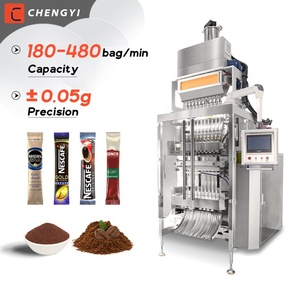
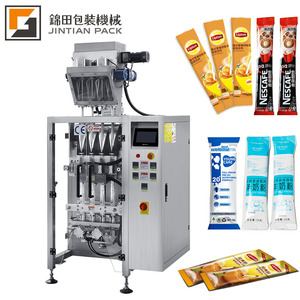
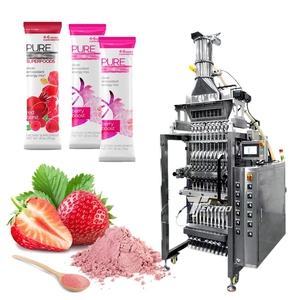
| Multi-Lane Stick Pack VFFS |
Foil Stick Sachet |
350 – 1200 sticks/min |
Medium-High |
Effervescent Granules, Hydration Powder Mixes |
| Integrated Cartoning Line |
Carton Box + Bundle |
100 – 300 boxes/min |
Secondary Packaging |
Retail-ready Pharma & Nutraceutical Display Boxes |
2. Future Procurement Trends & Technology Roadmap (2025–2030)
As global pharmaceutical procurement managers recalibrate their supply chains for maximum resilience and sustainability, Chinese packaging equipment manufacturers are shifting from low-cost machinery providers to high-tech automation partners. Key industry trends driving the purchase decisions of global OTC and dietary supplement brands include:
A. Modular Smart Automation & Industry 4.0 IoT Integration
Modern factories demand real-time diagnostics and predictive maintenance capabilities. Chinese OEMs are now standardizing Siemens S7-1500 motion controllers, EtherCAT fieldbus communications, and edge-computing IoT modules on effervescent packaging lines. Operators can monitor seal temperature curves, mechanical vibration indexes, and pneumatic pressure drops from centralized dashboards or remote mobile terminals, reducing unscheduled machine downtime by up to 40%.
B. Eco-Friendly Sustainable Packaging Compatibility
With global ESG mandates pushing for plastic reduction, packaging lines must handle eco-materials without compromising seal integrity. Advanced heat-sealing control algorithms dynamically adjust jaw pressure and heating dwell time to accommodate bio-based films, recyclable mono-material PP/PE foils, and lightweight aluminum alloys without tearing or pinhole formation.
C. Turnkey End-of-Line Integration
Buyers no longer purchase standalone tablet filling machines. The prevailing market demand is for turnkey solutions that connect raw tablet de-dusting, primary tube filling/strip sealing, online checkweighing, robotic cartoning, leaflet inserting, and final case packing into one continuous, synchronized production line managed by a single HMI interface.
3. Why Partner with China's Premier Machinery Manufacturers
Selecting a machinery supplier in China requires looking beyond technical specs to evaluate engineering heritage, manufacturing infrastructure, and international service capabilities. Based on rigorous factory audits and global customer feedback, leading Chinese packaging machinery plants stand out through four core capabilities:
ISO 9001 & cGMP Precision Engineering
All machinery contact parts are crafted from AISI 316L stainless steel with mirror-polish surface finishes (<0.4 µm Ra), fully complying with US FDA 21 CFR Part 11 and EU EudraLex GMP guidelines for sterile pharmaceutical processing.
Custom Mechanical Tailoring
From unique tube geometries (oval, triangle, stacked) to custom tablet dimensions (15mm to 30mm diameter), engineering teams utilize 3D CAD stress simulation and CNC machining to build customized tooling sets with short lead times.
Comprehensive Validation Support (DQ/IQ/OQ/PQ)
To assist pharmaceutical clients with regulatory audits, top-tier factories provide complete validation documentation packages, including FAT (Factory Acceptance Test), SAT (Site Acceptance Test), and calibration certificates.
Global Technical Assistance & Spare Parts Logistics
Equipped with remote AR troubleshooting tools, localized service hubs in Europe, North America, and Southeast Asia, and guaranteed 72-hour dispatch of OEM wear parts, uptime is protected worldwide.
4. Procurement & Operational FAQ: Expert Guidance for Buyers
Here are expert answers to the most frequently asked technical and commercial questions raised by international procurement managers when sourcing effervescent tablet packaging machines from China.
How does an automatic effervescent tablet tube packaging machine prevent tablet breakage during high-speed filling?
High-speed tube filling machines utilize a multi-stage buffer channel equipped with linear vibration feeders and soft-touch polyurethane side rails. Tablets slide vertically into the tube via gravity-assisted, servo-guided chutes rather than being dropped abruptly. Additionally, vacuum de-dusting units remove friable dust particles prior to tube insertion to ensure pristine cap seating.
What is the typical changeover time for different tablet sizes or tube lengths?
Modern premium machines feature quick-release modular tooling design. Changing over for different tablet diameters or tube counts typically takes between 30 to 45 minutes using tool-less clamps, with pre-saved servo recipes loaded directly from the HMI touchscreen interface.
Why is ambient environmental humidity control critical during machine operation?
Effervescent tablets contain organic acids (citric acid) and sodium bicarbonate. Exposure to relative humidity (RH) above 20-25% at ambient room temperature triggers micro-effervescence on the tablet surface, leading to sticky tablets, jammed feeding channels, and degraded seal integrity. We recommend installing the machine inside an ISO Class 8 cleanroom with dedicated HVAC dehumidification.
What certifications should buyers verify before issuing a Purchase Order (PO)?
Buyers should verify CE certification (Low Voltage Directive 2014/35/EU and Machinery Directive 2006/42/EC), ISO 9001:2015 quality management compliance, material mill certificates for AISI 316L/304 stainless steel, and FDA compliance for all food-grade polymer seals and conveyor belts.
Can one machine handle both plastic tubes and aluminum tubes?
Yes, hybrid tube filling machines can handle both rigid PP/PE plastic tubes and seamless aluminum tubes by changing the cap feeding hopper and adjusting the capping torque module. Plastic tubes typically use press-fit desiccant caps, whereas aluminum tubes utilize roll-crimped or threaded cap closures.
How is the seal integrity of stick pack sachets and strip foils guaranteed?
We utilize digital PID temperature controllers combined with pneumatic cylinder press blocks or ultrasonic sealers. Online pressure decay leak detectors and thermal imaging sensors inspect 100% of finished sachets to automatically reject any defective packs with micro-channels or pinholes.
What lead time is expected for a custom-built automated packaging line?
Standard packaging machines require 30 to 45 days. Fully customized, multi-lane production lines integrated with automatic cartoning and end-of-line robotics typically require 60 to 75 days, including complete Factory Acceptance Testing (FAT) using customer-supplied sample tablets and packaging materials.