
Explore expert articles, machinery updates, technical guides, and industry insights from ReformMak.
Explore China's premier selection of vertical form-fill-seal (VFFS) systems, multi-lane sachet machinery, and precision auger filling solutions engineered for coffee, powders, and granular products.
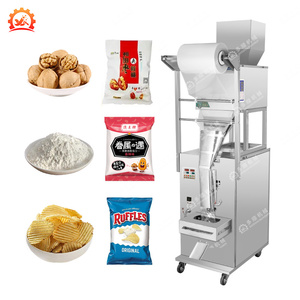
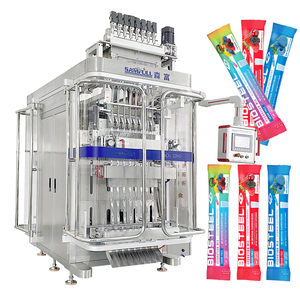
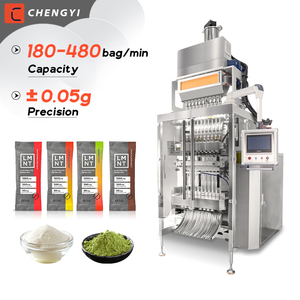
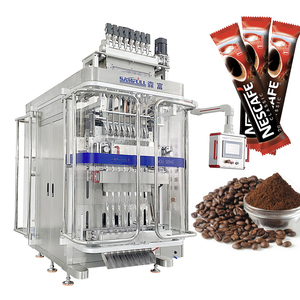
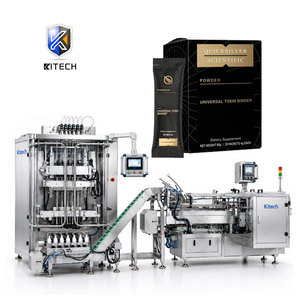
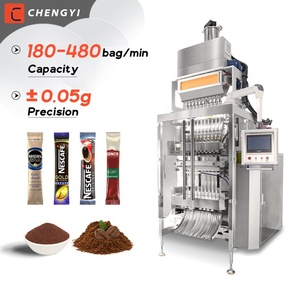
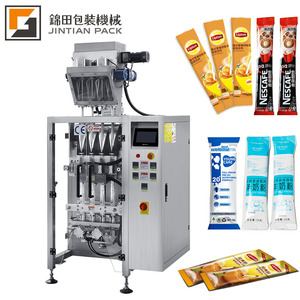
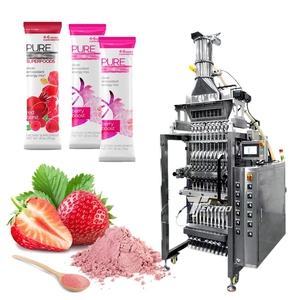
Combining European engineering standards with optimized Asian manufacturing efficiency, our factory partners deliver unmatched ROI, custom engineering capabilities, and global lifecycle support.
Every drip coffee bag packaging system undergoes rigorous Factory Acceptance Testing (FAT), adhering strictly to European CE safety directives and ISO 9001:2015 quality control management systems.
State-of-the-art 40kHz ultrasonic welding heads ensure airtight seals on non-woven filter materials without thermal degradation of ground coffee aroma, achieving flawless outer envelope packaging.
Comprehensive after-sales engineering network providing multi-lingual commissioning support, remote IoT machine diagnostics, and rapid dispatch of genuine OEM spare parts within 48 hours.
From raw coffee bean feeding, precision grinding, and auger dosing to inner drip bag forming, outer nitrogen-flushed sachet sealing, and automatic cartoning—we deliver fully automated turnkey lines.
The global specialty coffee sector has witnessed an unprecedented surge in demand for single-serve portion packaging, with the Japanese-style drip coffee bag (hung-ear drip bag) emerging as the preferred premium format. Unlike traditional instant coffee sachets or rigid capsules, drip coffee bags contain fresh, medium-to-coarsely ground coffee beans that require absolute protection against moisture, volatile organic compound (VOC) loss, and atmospheric oxygen degradation.
Top-tier Chinese manufacturers have pioneered significant technical breakthroughs in Vertical Form-Fill-Seal (VFFS) drip coffee packaging machinery. Modern production lines seamlessly combine inner bag forming using food-grade, non-woven filter roll stock with outer envelope packaging constructed from high-barrier aluminum foil or recyclable mono-material films.
| Technical Parameter | Standard Entry-Level Machine | High-Speed OEM Industry Standard | Next-Gen Intelligent Automation Line |
|---|---|---|---|
| Linear Speed (Inner + Outer) | 30 – 40 bags/min | 50 – 70 bags/min | 90 – 140+ bags/min (Multi-Lane) |
| Inner Bag Sealing Method | Thermal Heat Sealing | 35kHz / 40kHz Ultrasonic Welding | Dual-Frequency Servo Ultrasonic System |
| Dosing Mechanism | Volumetric Cup Filler | Servo-Driven Screw Auger | Multi-Head Micro Weight Sensor + Auger |
| Residual Oxygen Rate | ≤ 3.0% (Basic Flush) | ≤ 1.0% (Multi-Point Injection) | ≤ 0.5% (Gas-Tight Flushing Chamber) |
| Filter Material Compatibility | Standard PET/PP Non-Woven | PLA Biodegradable & PLA Mesh | All Standard + Ultrafine Eco Materials |
| PLC & Motion Control | Basic Relay / Micro-PLC | Siemens / Omron PLC System | Full EtherCAT Motion Controller & IoT |
The introduction of Ultrasonic Sealing Technology represents a quantum leap in packaging integrity. Traditional thermal sealing often causes micro-melting of non-woven filter fibers, releasing thermal fumes and compromising the delicate flavor profile of specialty single-origin roasted coffees. Ultrasonic sealing utilizes acoustic vibrations to fuse filter materials at a molecular level without heat generation, preserving volatile aromatics while achieving 100% leak-proof seal strength.
As consumer preferences shift toward environmental sustainability and ultra-fresh specialty roasts, equipment manufacturers across China are aligning their R&D roadmaps with three dominant industry mega-trends:
The global push against single-use plastics has forced packaging machinery to adapt to eco-friendly substrate films. Modern machines must handle paper-laminated foils, polylactic acid (PLA) filter media, and home-compostable barrier films without web tearing, sealing burn-through, or static friction jams during high-speed indexing.
Coffee shelf life is directly dictated by residual oxygen levels inside the sealed outer pouch. Advanced Chinese drip coffee packaging machines now feature integrated multi-stage nitrogen gas flushing hoods, gas-curtain sealed feeding hoppers, and real-time online oxygen concentration sensors to ensure oxygen levels remain consistently below 0.5%.
Leading exporters are integrating smart IoT modules, edge computing sensors, and visual inspection cameras into machine frames. Operators can remotely monitor film tension, heating jaw temperatures, auger torque values, and overall equipment effectiveness (OEE) via cloud dashboards, reducing unplanned downtime by up to 40%.
Procuring industrial packaging machinery from China requires a structured evaluation process beyond comparing basic FOB machinery prices. Enterprise buyers must conduct comprehensive Total Cost of Ownership (TCO) audits to evaluate long-term mechanical reliability, spare parts availability, and custom engineering flexibility.
Expert answers to essential questions regarding machine customization, installation, maintenance, and international shipping.
Standard model packaging machines are typically produced within 20 to 30 calendar days. Custom-engineered lines featuring automated cartoning integration, dual-auger multi-blend dosing, or special voltage configurations require 35 to 50 days, including comprehensive FAT validation prior to export.
Ultrasonic sealing is vastly superior for non-woven drip filter bags. It uses targeted ultrasonic vibrations to fuse the filter mesh without heating the coffee grounds, preventing thermal aroma loss, reducing seal edge width, eliminating glue adhesives, and guaranteeing clean, dust-free seals.
While dedicated drip coffee machines utilize specialized inner-to-outer bag transfer mechanisms, multi-functional VFFS systems can be equipped with modular forming collars and interchangeable sealing jaws to process stick packs, 3-in-1 instant coffee sachets, or traditional 4-side seal pouches.
To achieve a residual oxygen rate below 1.0% (or under 0.5% with advanced gas curtains), we recommend connecting a Nitrogen Generator delivering a gas purity level of at least 99.99% (Food-Grade N2) at a stable supply pressure of 0.4–0.6 MPa.
All export machinery includes comprehensive HD video installation tutorials, interactive schematic manuals, and remote video commissioning assistance. On-site engineer installation, operator training, and line integration are available in over 60 countries upon request.
Daily maintenance includes clearing coffee dust from optical sensors and sealing jaws using dry compressed air. Weekly tasks involve checking pneumatic oil lubricators and verifying auger screw clearances. Monthly inspections focus on drive belt tension, ultrasonic horn calibration, and heating element resistance checks.
Consult directly with senior packaging application engineers to receive customized machine drawings, factory-direct price estimates, and comprehensive ROI analyses for your production facility.
Get a Quote