
Explore expert articles, machinery updates, technical guides, and industry insights from ReformMak.
Engineered to high-precision pharmaceutical and cosmetic standards. Delivering optimized yield rates, leak-free hermetic seals, and rapid tooling changeover across laminated, plastic, and aluminum soft tubes.
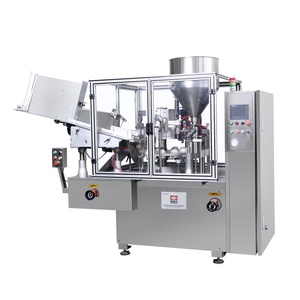
Heavy-duty rotary tube filling and hot-air sealing platform customized for viscous daily chemical creams, gels, and toothpaste lines.
Contact Us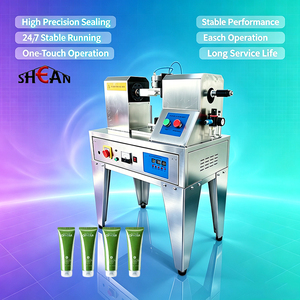
Compact benchtop orientation ideal for mid-scale cosmetic batch production, high-viscosity sunscreens, and pilot testing laboratories.
Contact Us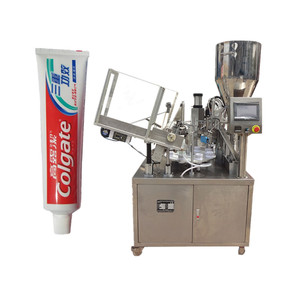
Advanced PLC touch-screen drive system featuring anti-drip piston metering for high-accuracy lotion, ointment, and cream packaging.
Contact Us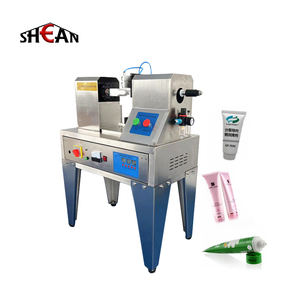
Cold ultrasonic tail bonding machine for PE, plastic, and composite tubes, eliminating cosmetic surface discoloration during tail sealing.
Contact Us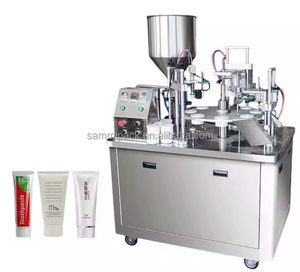
High-precision electric micro-dosing ultrasonic system designed for 5ml to 50ml sample cosmetic tubes, topical gels, and serums.
Contact Us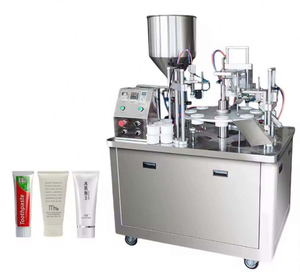
Fully integrated inline system combining automatic tube loading, photo-electric mark indexing, dosing, sealing, and tail trimming.
Contact Us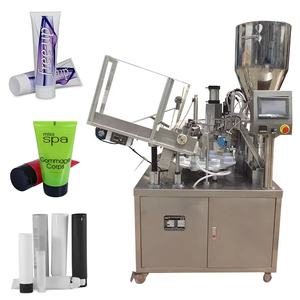
Swiss-made heating technology integrated with servo indexing for robust aesthetic sealing of facial cleansers and body lotions.
Contact Us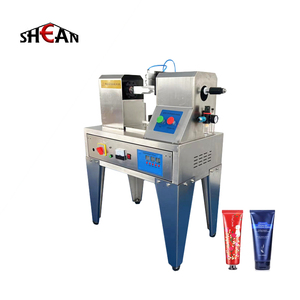
Dual-purpose mechanical crimping and thermal sealing system compatible with aluminum pharmaceutical tubes and multi-layer plastic tubes.
Contact UsThe global FMCG, pharmaceutical, cosmetic, and chemical packaging sectors are undergoing a structural shift toward rapid line flexibility, zero-waste processing, and strict regulatory validation (cGMP, FDA 21 CFR Part 11). As global brands move away from single-use rigid containers toward eco-friendly mono-material plastic tubes, aluminum-laminated barrier tubes (ABL), and plastic-laminated tubes (PBL), tube filling and sealing machinery must evolve to handle complex material behavior while maintaining speed, filling accuracy, and aesthetic tail integrity.
Choosing the core sealing architecture dictates operational versatility. Chinese manufacturing standard-setters have engineered modular platforms capable of switching between heat-sealing technologies to accommodate diverse packaging substrates:
Utilizes high-precision internal hot-air nozzles (e.g., Leister heating modules) to melt internal PE/PBL tube walls from the inside out, followed by chilled pneumatic clamping jaws. Best for high-speed automated runs of standard cosmetic creams and toothpastes.
Applies high-frequency vibrational kinetic energy (20kHz - 35kHz) directly to the tube tail interface. Generates instantaneous frictional heat only at the molecular joint. Essential for heat-sensitive bio-pharmaceutical gels, active skin serums, and recyclable mono-materials.
Employs multi-stage mechanical folding jaws (Double Fold, Saddle Fold, or Triple Fold) accompanied by coders for aluminum pharmaceutical tubes. Completely eliminates heat, ensuring zero thermal degradation of sterile ointments.
Legacy mechanical cam-driven filling machines often suffer from mechanical wear, backlash, and labor-intensive stroke manual adjustments when switching viscosities. Next-generation Chinese automatic tube fillers incorporate multi-axis servo controllers (Siemens SIMOTION / Omron NJ series). Servo-controlled piston dosing allows dynamic filling profiles: starting rapid bottom-up filling inside the tube, followed by controlled deceleration to eliminate air pocket entrapment and product splashing on sealing zones.
| Technology Parameter | Hot Air Sealing System | Ultrasonic Tail Sealer | Impulse / Direct Heat Sealer | Aluminum Mechanical Crimper |
|---|---|---|---|---|
| Target Material Compatibility | PE, PP, ABL, PBL Soft Tubes | Mono-PE, Eco-plastics, Heat-sensitive Laminates | Thick Plastic Laminates, Heavy-duty PE | 100% Pure Aluminum Metal Tubes |
| Typical Speed Range (CPM) | 60 - 120 Tubes/min | 40 - 90 Tubes/min | 20 - 40 Tubes/min | 50 - 110 Tubes/min |
| Thermal Impact on Product | Moderate (Internal air localized) | Zero (Cold external process) | High (Conductive heating) | None (Pure Mechanical) |
| Tail Sealing Aesthetic Quality | Smooth, clean edges, optional trim | Ultra-clean seal, embedded date coding | Slight thermal witness lines | Neat geometric fold (Saddle/Double) |
| Maintenance & Tooling Wear | Low heating element replacement | Low (Ultrasonic Horn calibration) | Medium (Teflon tape & heater element) | Low (Mechanical folding dies) |
Procurement directors in cosmetics, pharmaceutical contract manufacturing organizations (CMOs), and daily chemical plants face shifting market dynamics. Sourcing automatic tube filling and sealing machinery from tier-one Chinese factories has evolved from a pure cost-saving measure into a strategic technology partnership. Key procurement evaluation metrics now center on four core pillars:
With consumer brands launching smaller SKU batches and limited-edition product variations, machine downtime during tube diameter or fill-volume changeovers directly erodes profitability. Global buyers mandate quick-release tube holders, pre-calibrated servo recipes on HMI, and tool-free pump disassembly within 15 minutes.
Zero-defect compliance requires inline vision monitoring systems. Procurement specs demand automatic detection of tube orientation via mark-sensors, detection of inverted cap feed, tail seal gap verification, and automatic pneumatic ejection of non-compliant tubes into isolated scrap bins without stopping the machine.
Leading Chinese manufacturers equip filling lines with secure industrial VPN routers (such as eWON or IXON). Overseas engineers can perform remote firmware updates, PLC logic troubleshooting, and predictive maintenance diagnostics without requiring costly cross-border engineering dispatch.
As regulatory bodies in Europe, North America, and East Asia enforce plastic recyclability targets, cosmetic brands are replacing traditional aluminum-barrier multi-layer tubes with single-polymer recyclable PE or ocean-bound plastics. These sustainable materials exhibit narrower thermal bonding windows and memory-rebound tendencies. Advanced Chinese tube sealers integrate real-time closed-loop temperature control sensors and adaptive ultrasonic amplitude modulation to deliver air-tight seals without burning or warping recycled tube walls.
Built upon decades of precision machinery engineering, our manufacturing plant delivers turnkey tube filling, sealing, and cartoning lines trusted by clients in over 60 countries. We combine international quality certifications with customized OEM/ODM engineering capabilities.
To ensure round-the-clock reliability and effortless local maintenance for our overseas buyers, all automated filling and sealing systems incorporate globally recognized standard industrial components:
Critical answers to technical, operational, and commercial questions commonly raised during supplier evaluation.
Hot-air sealing blows superheated air directly against the inner plastic wall of the tube before squeezing the tail with chilled jaws. Ultrasonic sealing uses high-frequency mechanical vibration to instantly fuse the plastic molecules without heating the surrounding air or product. Hot-air sealing is generally faster for standard plastic tubes, whereas ultrasonic sealing is preferred for heat-sensitive pharmaceuticals, active skin creams, and recyclable mono-PE tubes.
Yes, through modular station configuration. Our dual-use machines allow users to swap out the sealing station. By switching the hot-air/ultrasonic assembly for a mechanical folding/crimping head and changing the tube holding cups, a single machine platform can process both plastic/laminated tubes and pure aluminum tubes.
High-viscosity formulations utilize specialized hopper agitators, jacketed heating hoppers with temperature control, pressurized feeding systems, and servo-actuated stroke pistons. Additionally, blow-off or cut-off nozzles with positive suck-back mechanisms ensure clean cutoffs without stringing or tail contamination in the sealing zone.
Our rotary valve ceramic or stainless steel 316L piston dosing systems achieve fill accuracy within ±0.5% for liquid cosmetics and within ±1.0% for thick pasty creams and toothpastes, vastly exceeding international ISO and pharmaceutical GMP variance guidelines.
Standard machine fabrication requires 30 to 45 business days. Prior to dispatch, we conduct a comprehensive FAT using client-supplied sample tubes and bulk product. Video inspections, dimensional sealing pressure tests, and 48-hour continuous dry runs are documented before export crating.
Yes. Every automated sealing station incorporates steel character impression slots for batch number and expiration date embossing directly into the tail seal seam. Integrated pneumatic guillotine blades trim the excess plastic to produce smooth, professional curved or straight edges.