Choosing a Liquid Sachet Packaging Machine is not simply a matter of comparing speed and price. The correct choice must match the liquid’s viscosity, filling volume, temperature, and packaging material. Water-like products behave differently from sauces, gels, oils, or liquids containing small particles. Even a minor mismatch can cause dripping, weak seals, or inconsistent sachet weights.
David Luttenberger, a recognized packaging industry analyst and Global Packaging Director at Mintel, has stated, “Packaging must deliver protection, performance, and convenience.” That principle applies directly to liquid sachet production. A reliable machine should provide accurate dosing, stable heat sealing, hygienic product contact parts, and simple control settings. Operators should also inspect changeover time, cleaning access, film compatibility, and available technical support. Small details matter.
The best decision usually begins with product trials, not a sales brochure. Ask the supplier to test your actual liquid, film, and target sachet size. Watch the filling nozzle closely. Check seal strength after handling. Measure waste during startup and changeovers. A machine may look efficient during a short demonstration, yet perform poorly during an eight-hour shift. That can happen.
Budget remains important, but the lowest purchase price may hide higher maintenance costs, rejected sachets, or difficult calibration. Consider total ownership cost, spare parts, operator training, and future capacity. This guide explains how to evaluate each factor and avoid common selection mistakes. Still, no checklist can replace practical testing. Your product may expose weaknesses that specifications never show.
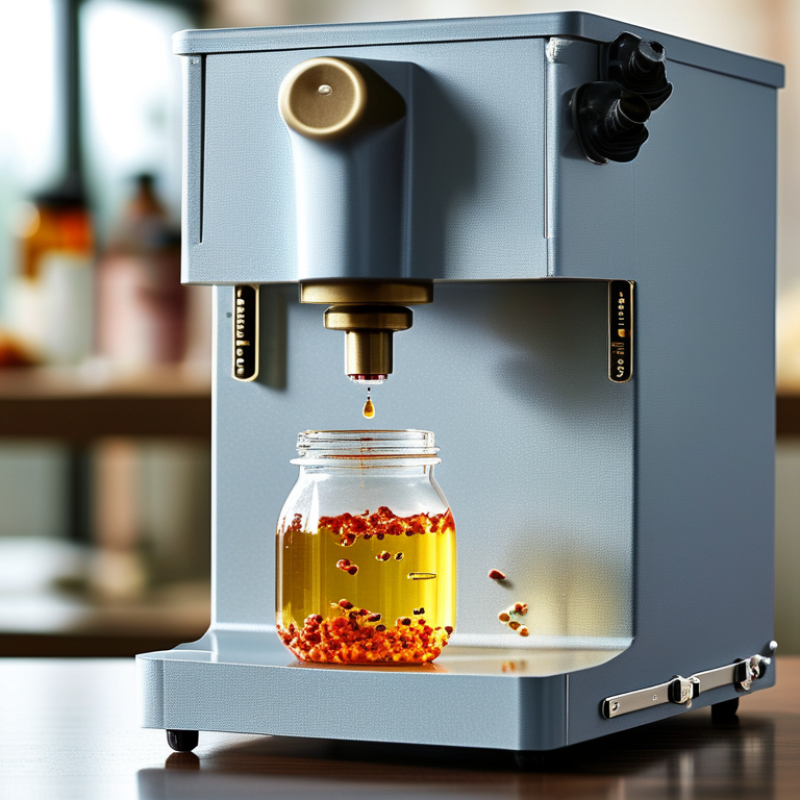
Define Product Parameters: Viscosity, Fill Volume, pH, and ±1% Accuracy
How to Choose a Liquid Sachet Packaging Machine?
Define Product Parameters: Viscosity, Fill Volume, pH, and ±1% Accuracy
Choosing a liquid sachet packaging machine begins with accurate product data, not advertised speed. Measure viscosity at the actual filling temperature. A thick syrup may flow slowly in a cool room but fill smoothly after warming. Temperature changes matter. Record the lowest and highest expected viscosity, then test the product through the dosing system. I have seen machines perform well with water but struggle with thicker liquids.
Fill volume also determines the dosing method and machine range. Specify the target volume, acceptable variation, and sachet dimensions. A 5-milliliter sachet needs different control from a 250-milliliter sachet. Confirm that the pump can handle the required volume without excessive foaming or dripping. Ask for a practical filling trial. Numbers on a specification sheet are not enough.
pH affects wetted parts, seals, tubing, and cleaning procedures. Confirm material compatibility with the product and its cleaning solution. For ±1% accuracy, require repeated samples, not one successful sachet. Weigh filled sachets using a calibrated scale, calculate the average, and review variation across the production run. Small errors become costly quickly. Accuracy may also change when film tension, temperature, or product consistency shifts. A useful specification should state the test conditions clearly. Otherwise, the ±1% promise remains difficult to verify.
Match Output to Demand: Compare 30–120 Sachets/Minute and 85% OEE
How to Choose a Liquid Sachet Packaging Machine?
A liquid sachet machine must match real demand, not an optimistic production target. A 30-sachet-per-minute machine produces 1,800 sachets hourly before downtime. At 120 sachets per minute, the theoretical output reaches 7,200 sachets. These figures look impressive, but they exclude film changes, cleaning, filling adjustments, and rejected seals.
Vorne’s World-Class OEE benchmark uses 85% as a strong manufacturing target. Applying that benchmark changes the calculation. A 30-sachet-per-minute machine may deliver about 1,530 good sachets hourly. A 120-sachet-per-minute machine may deliver approximately 6,120. OEE combines availability, performance, and quality, so speed alone cannot describe production capacity. PMMI’s Packaging Machinery: State of the Industry reports also emphasize evaluating equipment around operational efficiency, labor needs, and flexible production requirements.
The correct choice depends on your order pattern. A smaller machine can suit variable demand and reduce unnecessary capital investment. A faster model may be justified when orders remain steady across multiple shifts. However, high speed can expose weak sealing, unstable viscosity, or difficult changeovers. That part is often underestimated. Ask suppliers for measured output using your liquid, film structure, sachet size, and planned shift length. Request quality data, not only maximum speed. A practical trial should record startup waste, seal defects, refill frequency, and cleaning time. The 85% OEE target is useful, but your first-month results may be lower. That gap deserves investigation, not excuses.
Select Film and Seals: Assess 70–120 μm Laminates and Leak Resistance
Choosing a liquid sachet packaging machine starts with the film, not the control panel. A laminate between 70 and 120 μm can balance flexibility, puncture resistance, and sealing performance. Thinner structures may reduce material use, but they can wrinkle around sharp sachet corners. Thicker films often feel safer, yet they may need more heat and longer dwell time. That affects speed. Review the liquid’s viscosity, temperature, acidity, and oil content before approving a film structure. A clear, water-like product behaves differently from a dense syrup or lotion. Ask for actual sample rolls, not only supplier data sheets.
On the machine, check whether sealing jaws maintain even pressure across the sachet width. Small pressure differences can create channels that appear sealed but leak during transport. Inspect temperature control, jaw alignment, and sensor response during continuous running. A practical trial should include filled sachets stored flat, stacked, and squeezed by hand. Use dye penetration, burst testing, and time-based leak checks where appropriate. Do not trust one successful sample. I have seen clean seals fail after cooling because product drops contaminated the film. That mistake is easy to repeat when operators rush. Leave room for adjustment, because a perfect setting on day one may not survive humidity, film variation, or overnight production.
Verify Hygiene Standards: Check SS304/316, HACCP, CIP, and IP65 Design
When choosing a liquid sachet packaging machine, hygiene should be tested before speed.
WHO reports that contaminated food causes about 600 million illnesses and 420,000 deaths annually. This estimate appears in its Global Burden of Foodborne Diseases report. The CDC also estimates 48 million foodborne illnesses yearly in the United States. Material selection is not a minor procurement detail.
Product-contact surfaces should use SS304. SS316 is preferable for salty, acidic, or chemically aggressive formulas. Ask for mill certificates, weld-finish records, and surface roughness data.
Do not accept “food grade” as a complete answer. It is too vague.
HACCP documents should identify hazards during dosing, filling, sealing, and changeover.
The machine should support validated CIP, including spray coverage, drainage, chemical concentration, temperature, and contact time. CIP is not automatically effective.
Verify results with swab tests, conductivity checks, or microbial analysis. IP65 protection helps shield electrical enclosures from dust and water jets, but it does not sanitize product pathways. Inspect gasket access, dead legs, frame joints, and the underside of the dosing area.
EHEDG hygienic-design guidance stresses cleanable construction and contamination-free drainage. Request cleaning validation records, not only certificates. A polished machine can still hide residue. That possibility deserves attention.
Calculate Total Cost: Compare Changeovers, Waste, Energy, and 5-Year TCO
Choosing a liquid sachet packaging machine requires more than comparing purchase prices. Calculate five-year total cost of ownership (TCO), including changeover labor, film waste, energy, maintenance, and downtime. PMMI’s 2023 State of the Industry report identifies labor availability and operating costs as major packaging challenges. A machine saving 20 minutes per changeover can therefore deliver more value than a cheaper machine with slow cleaning and adjustment.
Build a realistic worksheet. If a line runs 10 changeovers weekly, reducing each changeover by 30 minutes saves about 260 production hours annually. At a loaded labor rate of 28 dollars per hour, that equals 7,280 dollars yearly, before recovered output. Track rejected sachets during startup. A 1% waste rate on 30 million sachets means 300,000 discarded units. Small percentages become expensive. The U.S. Department of Energy also recommends measuring equipment energy through actual operating data, not nameplate ratings. Electricity, compressed air, heating, and standby consumption should be recorded separately.
Tips: Request a timed factory trial using your liquid, film, and target speed. Ask for five-year service costs, spare-part prices, and average changeover waste. Include operator training. It is often overlooked. Challenge the supplier’s assumptions, too. A perfect trial may not represent night shifts, colder rooms, or inexperienced operators. Review the model with production, maintenance, and finance teams before choosing. Five-year TCO is imperfect, but it exposes hidden costs.
Conclusion
Choosing the right Liquid Sachet Packaging Machine begins with a clear understanding of your product and production goals. Evaluate viscosity, target fill volume, pH, and the required filling accuracy, ideally maintaining variation within ±1%. Next, match machine output to demand by comparing speeds of 30–120 sachets per minute and considering realistic performance targets, such as 85% OEE. Film compatibility is also essential: assess 70–120 μm laminate structures, sealing performance, puncture resistance, and leak prevention under actual operating conditions.
Hygiene and maintainability should be verified through features such as SS304 or SS316 contact parts, HACCP-aligned procedures, CIP capability, and suitable IP65 protection where applicable. Finally, calculate the complete five-year cost of ownership rather than focusing only on the purchase price. Include changeover time, material waste, energy use, maintenance, labor, and expected downtime. A balanced comparison of these factors will help you select a reliable machine that supports product quality, operational efficiency, and long-term production value.