Knowledge Center

Roll Forming Technical Blog & Industry News

Explore expert articles, machinery updates, technical guides, and industry insights from ReformMak.

0%

Choosing the right Powder Auger Filler Machine is a production decision, not merely a purchase decision. The machine must match powder behavior, container design, target weight, and line speed. A fine flour may bridge inside the hopper, while instant coffee can flood around the auger. Small differences matter.

PMMI’s 2024 State of the Industry report highlights continuing pressure to improve packaging productivity, manage labor shortages, and increase automation. These pressures make accurate, repeatable filling increasingly valuable. However, speed alone is a weak selection criterion. A machine rated for 60 containers per minute may achieve less with dusty powder, narrow bottles, or frequent recipe changes. Buyers should examine real test results, not only catalogue figures.

The Powder Auger Filler Machine should offer suitable auger geometry, controlled agitation, tool-free cleaning, and accessible food-contact parts. Check weighing accuracy across several batch sizes. Ask the supplier to test your actual powder, container, and packaging speed. Review calibration records, stainless-steel grades, dust-control features, and compliance documentation. EHEDG hygienic design guidance and applicable FDA or EU food-contact requirements can support a safer evaluation.

A practical warning remains necessary. No report can predict every factory condition. Humidity, powder temperature, operator technique, and settling time can change performance. An impressive demonstration may still hide difficult cleaning work. Choose transparent testing, documented service support, and measurable guarantees. The best machine is not always the fastest. It is the one that delivers consistent weights, manageable cleaning, and dependable operation after months of real production.
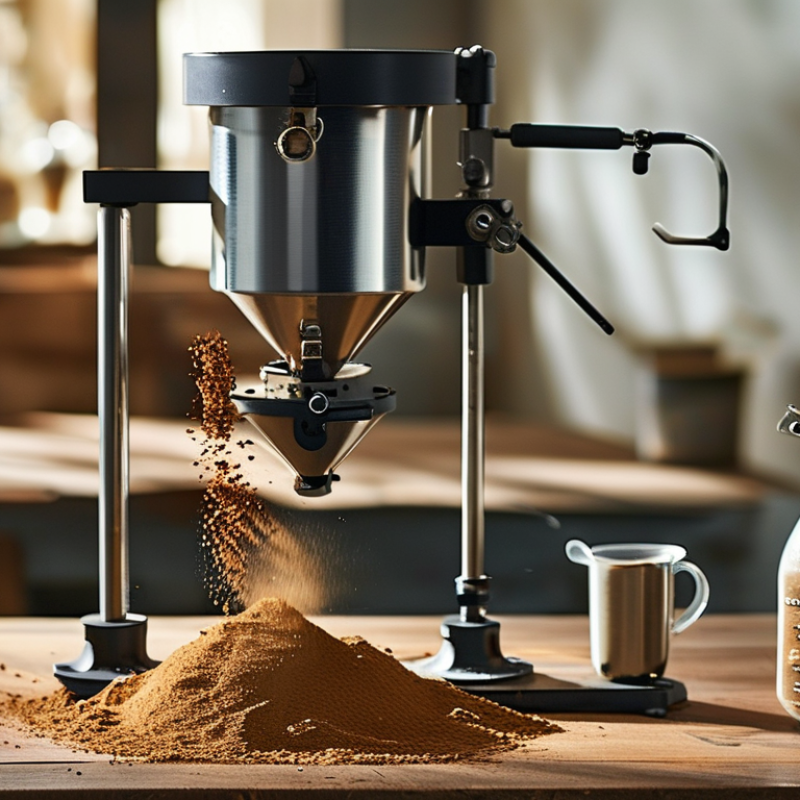
How to Choose the Best Powder Auger Filler Machine

Understanding Powder Auger Filler Machines and Their Applications

How to Choose the Best Powder Auger Filler Machine

Understanding how powder auger filler machines work helps manufacturers choose equipment with fewer costly mistakes. An auger filler uses a rotating screw to measure and transfer powder into containers. The screw speed, flight design, and fill cycle affect accuracy. Fine flour, instant coffee, spices, and nutritional powders may require different auger configurations. Flow behavior matters more than appearance.

In practical production, operators often check powder density, moisture, particle size, and flowability before selecting a machine. A narrow auger can suit small doses, while a wider design supports larger fills. Servo-driven systems usually provide precise control across changing target weights. Dust extraction also deserves attention, especially when handling lightweight powders. Clean contact parts, tool-free access, and simple calibration reduce downtime during product changes. Small details matter.

Application conditions should guide the final decision. A laboratory may need flexible dosing and quick adjustment. A busy packaging line may need multiple filling heads and continuous operation. Container shape can also influence performance. Tall jars, pouches, and sachets do not always feed smoothly under identical settings. Test runs with the actual powder reveal problems that specifications can hide. I have seen accurate equipment perform poorly when operators ignored powder settling. That mistake is easy to repeat. No machine fits every powder. Reliability depends on matching the filler, material, container, and working routine.

Assessing Powder Properties and Filling Requirements

How to Choose the Best Powder Auger Filler Machine

Powder behavior determines filling accuracy more than machine speed. Measure bulk density, tapped density, moisture, particle size, and flowability before requesting quotations. USP General Chapter <1174> recommends evaluating powder flow through several methods, including shear testing and angle of repose. These tests reveal whether the powder bridges, rat-holes, or compacts inside the hopper.

Particle size distribution also matters. ISO 13320:2020 describes laser diffraction for measuring D10, D50, and D90 values. A wide distribution may improve packing, but it can also cause segregation during vibration. Record density changes after transport and storage. A powder that fills well in the laboratory may behave differently after a long production shift. That gap deserves attention.

Match the auger design to the required dose range, container opening, and production rhythm. Small doses often need a narrow, precise screw and gentle agitation. Cohesive powders may require a twin-auger system, hopper conditioning, or controlled vibration. For example, a 50-gram target with a ±1% tolerance allows only 0.5 grams of variation. That is not generous. PMMI’s 2024 packaging automation research identifies labor availability and repeatable process control as continuing automation concerns, making clean changeovers and recipe control practical priorities. Still, automation cannot repair poor powder data. Test at least three batches, inspect fill-weight trends, and challenge the machine at low and high hopper levels. Mistakes happen. Good selection makes them visible early.

Comparing Auger Filler Designs, Features, and Performance

How to Choose the Best Powder Auger Filler Machine

Auger filler performance depends on powder behavior, not only machine speed. Fine flour, instant coffee, and protein powder can bridge, compress, or create dust inside the hopper. A single-auger design suits many free-flowing powders, while twin-auger systems can improve control with cohesive materials. Servo-driven augers also support repeatable dosing and faster recipe changes. Small details matter.

Grand View Research estimates that the global filling machine market reached about USD 6.3 billion in 2023, with continued growth expected through 2030. This growth reflects stronger demand for automation and consistent portion control. PMMI’s 2024 industry findings also identify labor availability and operational efficiency as major packaging investment drivers. However, speed alone can mislead. A machine claiming 60 fills per minute may slow sharply when powder density changes.

Compare load-cell feedback, auger diameter, agitation control, dust extraction, and tool-free cleaning. Ask for test results using your actual powder, container, target weight, and production temperature. Check accuracy across short and long runs. One test is not enough. Hygienic access, sealed bearings, and simple changeover reduce hidden downtime. The less obvious weakness is often powder residue beneath the auger. I would record fill-weight variation, cleaning time, and rejected containers before choosing a design. A polished specification sheet cannot replace production evidence.

How to Choose the Best Powder Auger Filler Machine - Comparing Auger Filler Designs, Features, and Performance

Auger Filler Design Best Application Typical Product Characteristics Typical Fill Range Typical Accuracy Relative Output Main Advantages Main Limitations
Single-Auger Filler General-purpose powder filling into bags, jars, bottles, and pouches Free-flowing or moderately cohesive powders with reasonably consistent bulk density Approximately 1 g to 5 kg, depending on auger diameter and tooling Typically ±1% to ±2% of target weight under stable conditions Medium to high Simple construction, broad application range, relatively easy changeover, and lower maintenance requirements May bridge, rat-hole, or compact when handling highly cohesive or poorly flowing powders
Twin-Auger Filler Difficult-to-flow powders, high-throughput applications, and products requiring improved feeding stability Cohesive, sticky, aerated, or variable-density powders Approximately 5 g to 10 kg, depending on machine configuration Typically ±0.5% to ±1.5% of target weight after product trials and calibration High Better agitation and product movement, reduced bridging risk, and improved consistency for challenging powders Higher purchase cost, more complex cleaning, and greater mechanical adjustment requirements
Vertical Auger Filler Standard gravity-assisted filling of containers positioned below the hopper Dry powders, granules, spices, flour-like products, and many pharmaceutical or food powders Approximately 1 g to 5 kg Typically ±1% to ±2%, depending on powder behavior and weighing control Medium to high Compact layout, straightforward operation, and compatibility with many container shapes Filling performance can be affected by powder aeration, bulk-density changes, and hopper level variation
Horizontal or Inclined Auger Filler Products that require controlled transfer, elevated discharge points, or integration with specialized packaging lines Powders that can be conveyed without excessive compaction or segregation Commonly used for small to medium fills; exact range depends on conveyor and auger design Typically ±1% to ±2% after calibration Medium Flexible product routing and easier integration into some automated packaging layouts Longer conveying paths may increase residence time, cleaning effort, and the possibility of product buildup
Vacuum-Assisted Auger Filler Dust-sensitive operations, low-density powders, and applications requiring reduced airborne particles Light, dusty, or aerated powders that are difficult to contain during filling Approximately 1 g to 2 kg in many standard applications Typically ±1% to ±2%, depending on vacuum control and powder density Medium Improved dust control, cleaner filling zones, and better handling of lightweight powders Requires additional filtration and vacuum equipment, which increases system complexity
Servo-Driven Auger Filler High-accuracy production, frequent recipe changes, and automated packaging lines A wide range of dry powders when precise auger-speed control is required Approximately 1 g to 10 kg, subject to auger and hopper configuration Often ±0.5% to ±1% after product-specific setup and calibration High Repeatable speed control, programmable dosing profiles, soft starts, and efficient integration with checkweighers Higher initial investment and greater dependence on electrical controls and operator training
Multi-Head Auger System Large-scale production lines requiring multiple lanes or simultaneous filling Stable powders that can be distributed consistently to multiple filling stations Commonly used from small sachet fills to several kilograms per package Typically ±0.5% to ±1.5%, depending on synchronization and product uniformity Very high High throughput, improved line utilization, and compatibility with continuous automated packaging Requires more floor space, coordinated controls, and careful balancing of product flow between heads
Important: Capacity and accuracy figures are typical industry ranges rather than guaranteed specifications. Actual performance depends on powder density, particle size, moisture, flowability, auger geometry, fill weight, machine speed, hopper design, and calibration method.

Evaluating Accuracy, Speed, Hygiene, and Automation Options

How to Choose the Best Powder Auger Filler Machine

Choosing a powder auger filler starts with accuracy, not advertised output. During equipment trials, weigh at least ten filled containers from different production points. Compare the average weight and variation. Accuracy comes first. A stable auger, controlled powder flow, and suitable hopper design help reduce underfilling and waste. Fine powders may bridge, while heavier powders can settle unevenly. Your test material matters more than a general specification.

Speed should be measured beside accuracy. A machine filling 60 containers per minute may perform poorly when the powder becomes dusty or compacted. Ask for trials at your target weight and container size. Observe start-up, stopping, and refill behavior. Short changeover times also improve real productivity. I have seen teams focus on maximum speed and overlook cleaning delays. That choice can weaken the entire line.

Hygiene requires smooth contact surfaces, minimal powder traps, and simple tool-free access. Check whether the auger, hopper, and dosing parts can be removed without awkward lifting. Record cleaning time and inspect corners with a flashlight. Automation may include recipe storage, sensor-based filling, checkweighing, and automatic rejection of unsuitable units. These features support consistency, but they do not replace trained operators. A sensor can drift. Software settings can be entered incorrectly. Keep manual verification in the process, especially after a product change or maintenance task.

Selecting the Right Machine for Your Production and Budget

How to Choose the Best Powder Auger Filler Machine

Selecting the right auger filler starts with your powder, not the machine price. Fine flour, protein powder, spices, and dusty minerals behave differently during filling. Check flowability, bulk density, moisture, and particle size before requesting a quotation. Small test runs can reveal bridging, dust release, or inconsistent weight.

Your target output must match your real production schedule. A machine filling 40 containers per minute may seem sufficient, but cleaning, refilling, and changeovers reduce that figure. Consider container size, filling range, auger speed, and the number of products handled each week. Accuracy also affects your budget. Overfilling 500 containers daily can quietly increase material costs. I once underestimated cleaning time, and the lower-priced option became less economical.

Tips: Ask for sample testing with your actual powder. Request weight data from repeated fills, not one successful trial. Compare stainless steel contact parts, tool-free changeover, dust control, and spare-part availability. Include installation, training, maintenance, and electricity in the total cost. A clear service agreement matters when production stops.

Choose controls that your operators can understand quickly. Simple recipes, password levels, and readable weight adjustments reduce avoidable errors. Verify whether the filler can connect with your existing conveyor or sealing equipment. Keep a small allowance for future products, but do not pay for capacity you will not use. Budget decisions need evidence, although the perfect prediction is rarely possible. Record test results, cleaning minutes, and rejected containers before making the final purchase.

How to Choose the Best Powder Auger Filler Machine

Typical planning ranges for throughput and filling accuracy by machine configuration. Use your required output, powder behavior, and budget to narrow the selection.

Semi-automatic systems generally suit smaller batches and lower budgets, while servo-driven and multi-lane systems provide higher output and tighter control. Actual performance depends on powder density, particle size, fill weight, container format, and feeding conditions.

FAQS

: What does a powder auger filler do?

: It uses a rotating screw to measure powder and transfer it into containers.

Which powder properties should be checked before selection?

Check bulk density, moisture, particle size, flowability, and dust behavior.

Do all powders use the same auger design?

No. Fine flour, spices, and nutritional powders may require different screw sizes and flight designs.

When is a twin-auger system useful?

It can improve control when cohesive powders bridge, compress, or move unevenly.

How can filling accuracy be improved?

Servo control, load-cell feedback, stable powder feeding, and repeated calibration can improve accuracy.Small details matter.

Can container shape affect filling performance?

Yes. Tall jars, pouches, and sachets may need different feeding and positioning settings.

What should a practical machine test include?

Test your actual powder, container, target weight, temperature, and production speed.Test it twice.

Which cleaning features are important?

Tool-free access, clean contact parts, sealed areas, and simple changeover can reduce downtime.

How should the total machine cost be evaluated?

Include installation, training, maintenance, electricity, spare parts, cleaning time, and rejected containers.

Is the fastest machine always the best choice?

No. Speed can fall when density changes or cleaning takes longer than expected.

What mistake can buyers easily make?

They may trust one successful test and ignore powder settling during longer production runs.

Conclusion

Choosing the best Powder Auger Filler Machine begins with understanding how the equipment works and whether it suits your product, container type, and production goals. Powder characteristics such as density, flowability, particle size, moisture content, and tendency to dust or bridge can significantly affect filling performance. You should also consider the required fill range, container dimensions, target output, and acceptable weight variation before comparing machine options.

Different auger filler designs offer varying levels of flexibility, accuracy, speed, cleanliness, and automation. Important features may include adjustable filling parameters, efficient dust control, easy product-contact access, quick changeover, and compatibility with existing packaging lines. Automation options can improve consistency and reduce labor, while a simpler configuration may be more practical for smaller operations. Ultimately, the right choice should balance performance, hygiene requirements, maintenance needs, expansion plans, and total budget rather than focusing only on the initial purchase price.

Isla

Isla

Isla is a professional marketing specialist with a strong understanding of the company’s products, customer needs, and evolving market trends. Through clear, practical, and insight-driven content, Isla regularly updates the company’s blog with articles that help readers better understand product......